Beating Teacher Burnout: A Practical Mental Health Guide for South African Educators
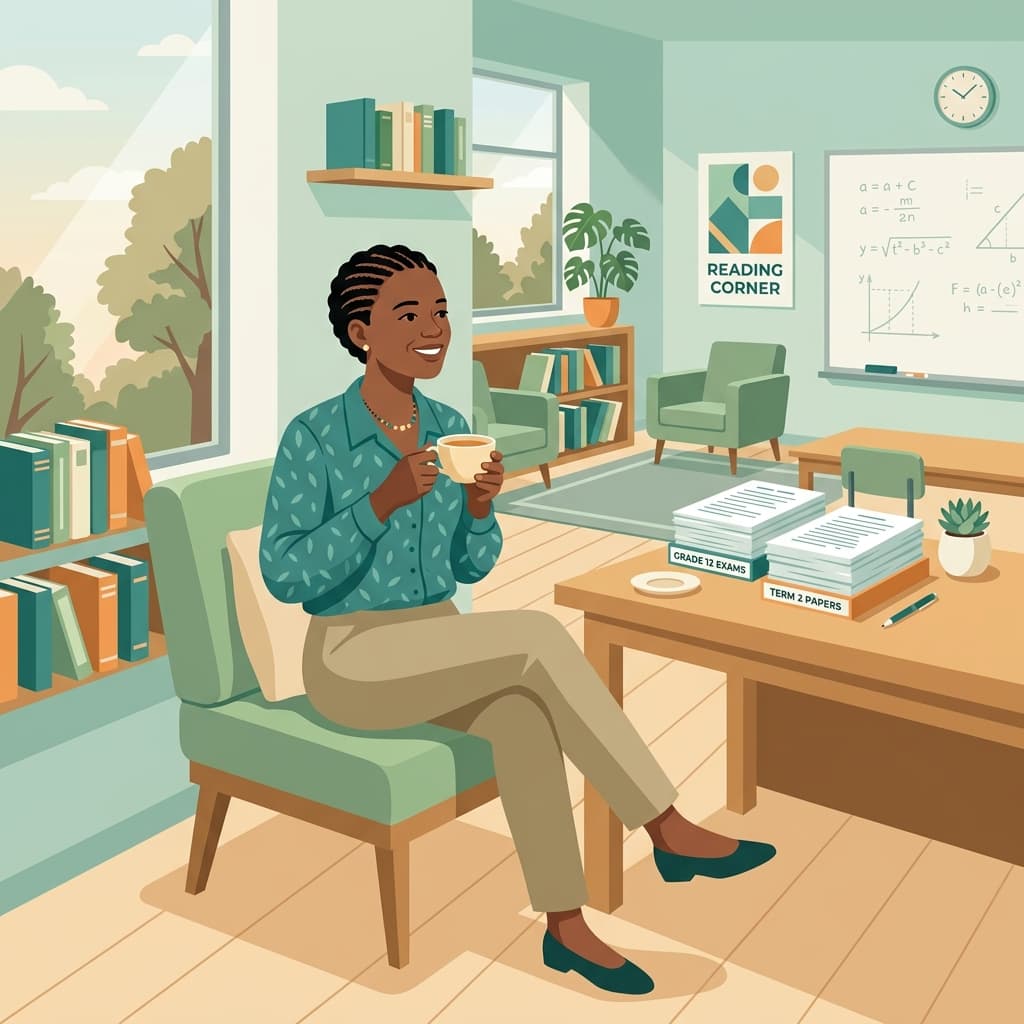
The flickering light of a laptop illuminates stacks of unmarked books at 10 PM. A half-empty cup of coffee sits cold. The weight of the next day’s CAPS lesson plans, pending School-Based Assessments (SBA), and the endless stream of parent WhatsApp messages feels crushing. If this scene is familiar, you are not alone. You are a South African educator, and you are likely experiencing, or are on the verge of, teacher burnout.
Teacher burnout is more than just feeling tired; it's a state of chronic physical, emotional, and mental exhaustion caused by prolonged stress. In the unique, high-pressure context of the South African education system, it has become an epidemic, silently eroding the passion of our nation's most vital professionals. This comprehensive guide is not about generic wellness platitudes. It is a practical, actionable blueprint designed for you—the dedicated South African teacher, HOD, and school principal—to navigate the specific challenges you face and reclaim your well-being, ensuring a sustainable and fulfilling career in education.
Understanding Teacher Burnout in the South African Context
Before we can treat the symptoms, we must diagnose the cause. Burnout typically manifests in three ways: overwhelming exhaustion, feelings of cynicism and detachment from your job, and a sense of ineffectiveness and lack of accomplishment. While these are universal, the catalysts in South Africa are deeply specific and intensely challenging.
The Unique Pressures Fuelling Burnout in SA Schools
Recognising these external factors is the first step towards self-compassion. It's not a personal failing; it's a systemic pressure cooker.
The CAPS Curriculum and Administrative Overload: The Curriculum and Assessment Policy Statement (CAPS) is content-heavy and administratively demanding. The relentless cycle of Annual Teaching Plans (ATPs), formal assessments, moderation, and reporting creates an enormous administrative burden that often spills into evenings and weekends, leaving little room for genuine rest or creative lesson planning. The pressure to maintain pacing and complete the curriculum often outweighs the need for deep, meaningful learning, causing significant stress.
Large Class Sizes and Diverse Learner Needs: It is not uncommon for a single teacher in a South African public school to be responsible for 40, 50, or even more learners in one classroom. Managing the diverse learning needs, behavioural challenges, and socio-economic realities within such a large group is a monumental task. You are not just a teacher; you are often a counsellor, a social worker, and a primary source of stability for many children.
Socio-Economic Realities and Resource Constraints: Teaching in a country with such vast inequality means confronting the daily realities of poverty, trauma, and lack of resources. Many educators work in under-resourced schools (Quintile 1-3) without basic supplies like textbooks, stationery, or reliable internet access. This "resource-gap" teaching requires immense creativity and emotional energy, as you constantly try to do more with less.
The Impact of Load Shedding: Load shedding is not a minor inconvenience for educators; it is a profound disruptor. It affects your ability to use technology in the classroom, plan lessons, mark online assessments, and communicate with parents. At home, it eats into your personal time, adding another layer of stress and unpredictability to an already demanding life.
Pressure from All Sides: The modern SA teacher is accountable to the Department of Basic Education (DBE), the School Governing Body (SGB), demanding HODs, anxious parents, and the learners themselves. Balancing these often-conflicting expectations can feel like an impossible tightrope walk.
Practical Strategies for Individual Teachers: Reclaiming Your Well-being
While systemic change is crucial, waiting for it is not a viable strategy for your immediate mental health. The following actionable steps are designed to empower you to create pockets of relief and build resilience within the current system.
Strategy 1: Master Your Mindset with Cognitive Reframing
Burnout often thrives on negative thought patterns. Cognitive reframing is the practice of identifying and challenging unhelpful thoughts and replacing them with more balanced, constructive ones.
- Identify the Trigger Thought: "I will never get through this pile of Grade 12 Matric trial exam marking. I'm a failure."
- Challenge It: Is it really true that you will never finish? Is one daunting task a true measure of your worth as a teacher?
- Reframe It: "This pile of marking is huge, and it feels overwhelming. I will commit to marking five scripts with my full attention, and then I will take a 15-minute break. I am a dedicated teacher tackling a challenging task."
This isn't about toxic positivity; it's about shifting from a paralysing perspective to an actionable one. Focus on your "sphere of control." You cannot control the CAPS requirements, but you can control how you break down the marking task into manageable chunks.
Lesson Planner
Generate comprehensive, CAPS-aligned lesson plans in seconds.
Strategy 2: Set and Enforce Professional Boundaries
The culture of teaching often glorifies self-sacrifice, but this is a direct path to burnout. Boundaries are not selfish; they are essential for professional sustainability.
- Define Your "Work Hours": Decide on a specific time each evening when you are officially "off duty." For example, after 6 PM, your work laptop is closed, and you do not respond to work-related messages. Communicate this respectfully to colleagues and parents.
- Manage Digital Communication: Mute the staff and parent WhatsApp groups outside of your defined work hours. You are not a 24/7 helpdesk. A simple status like "Available for school communication from 7 AM - 5 PM" can work wonders.
- Learn the Power of a "Polite No": Teachers are helpers by nature, but you cannot be on every committee or volunteer for every extra-mural activity.
- Instead of: "Yes, I'll do it."
- Try: "Thank you so much for thinking of me for the school concert committee. My current commitments with the debating club and marking load mean I can't give it the attention it deserves. I hope it's a huge success."
Strategy 3: Streamline Your CAPS Workflow and Administration
Working harder is not the answer; working smarter is. Re-evaluate your processes to reclaim precious time and energy.
- Embrace Batching: Dedicate specific blocks of time to similar tasks. For example, instead of planning one lesson each night, use your PPA (Personal Preparation and Administration) period on a Monday to outline all your lessons for the week. Mark all the books for one class in a single sitting rather than dipping in and out. This reduces "context switching," which drains mental energy.
- Collaborate on Planning: Connect with other teachers in your grade or subject area, either at your school or a neighbouring one. Share lesson plans, resources, and assessment ideas. There is no need for every teacher to reinvent the wheel for every single CAPS topic. A shared Google Drive folder can be a lifeline.
- Adopt the "Good Enough" Principle: Perfectionism is a major driver of burnout. Not every worksheet needs to be a design masterpiece. Not every PowerPoint presentation needs custom animations. Focus on the core objective: Is this resource effective for learning? If the answer is yes, it is good enough. Prioritise high-impact activities over time-consuming aesthetics.
- Use Peer and Self-Assessment: Reduce your marking load by strategically incorporating peer and self-assessment activities. This is not only a time-saver but also a valuable pedagogical tool that encourages learners to engage critically with the assessment criteria.
Strategy 4: Prioritise True Rest and Detachment
Rest is not the absence of work; it's the active replenishment of your physical, mental, and emotional resources.
- Schedule "Non-Negotiable" Downtime: Block out time in your diary for rest and hobbies with the same seriousness you would a staff meeting. Whether it’s 30 minutes to read a novel, go for a walk, or listen to a podcast, protect this time fiercely.
- Create a "Third Space": Have a clear transition ritual between your work life and home life. This could be listening to your favourite music on the drive home, changing out of your work clothes immediately, or spending five minutes meditating before you engage with your family. This helps your brain switch off from "teacher mode."
- Mindful Micro-Breaks: You may not get a long lunch break, but you can create micro-breaks. When learners are working quietly, step away from your desk. Stand at the window, take five deep breaths, and stretch your neck. These small moments can prevent stress from accumulating throughout the day.
The Critical Role of School Leadership: Fostering a Mentally Healthy Environment
Individual strategies are vital, but for long-term change, school management (HODs, Deputies, Principals) must be part of the solution. A school culture that prioritises educator well-being is the most powerful antidote to burnout.
From Policy to Practice: What Management Can Do
- Audit the Administrative Burden: Actively look for administrative tasks that can be streamlined, simplified, or eliminated. Is every single form, meeting, and data submission truly necessary for effective teaching and learning? A simple staff survey can reveal major time-wasting activities.
- Protect Planning and Preparation Time: Ensure that teachers' PPA time is sacrosanct. Avoid scheduling meetings or pulling teachers out for other duties during this critical period. It is not "free time"; it is essential professional time.
- Champion a Culture of Collaboration: Foster an environment where asking for help is seen as a sign of strength, not weakness. Encourage mentorship programmes pairing experienced educators with those new to the profession. Celebrate collective successes rather than fostering internal competition.
- Invest in Relevant Professional Development: Move beyond curriculum-only training. Organise workshops on stress management, conflict resolution, mental health first aid, and setting professional boundaries. Show your staff that you are invested in them as whole people, not just as curriculum deliverers.
- Lead with Empathy and Trust: Check in with your staff. Ask them how they are doing—and genuinely listen to the answer. Trust your teachers as professionals. Micromanagement is a significant source of stress and signals a lack of trust, which is deeply demoralising.
Building Your Support Network: You Are Not Alone
Burnout thrives in isolation. Intentionally building a strong support network is one of the most effective buffers against the chronic stress of teaching.
- Lean on Your Colleagues: Find one or two trusted colleagues you can vent to, share resources with, and laugh with. This informal peer support is invaluable. Knowing that someone else understands the specific challenges of your school environment can make you feel seen and validated.
- Seek Mentorship: If you are a young or new teacher, proactively seek a mentor. This experienced educator can provide practical advice on classroom management, navigating school politics, and managing the CAPS workload, saving you from learning everything the hard way.
- Look Beyond the Staff Room: Cultivate friendships and hobbies completely unrelated to education. Having a part of your identity that is separate from being "the teacher" is crucial for maintaining perspective and a sense of self.
- Know When to Seek Professional Help: There is immense strength in recognising when you need more support than your friends or family can provide. Organisations like the South African Depression and Anxiety Group (SADAG) offer helplines and resources. Many school districts and unions also provide access to Employee Assistance Programs (EAPs) with qualified counsellors. Seeking therapy is not a sign of failure; it is a proactive investment in your long-term health and career.
Your mental health is not a luxury; it is the foundation of your ability to be an effective educator. Beating teacher burnout in South Africa requires a dual approach: empowering yourself with individual strategies to build resilience and advocating for a school culture that prioritises and protects the well-being of its teachers.
Start small. Choose one strategy from this guide and implement it this week. Whether it's setting a digital boundary, reframing a negative thought, or having an honest conversation with your HOD, every step you take towards protecting your mental health is a step towards a more sustainable, joyful, and impactful career in the profession that our country needs now more than ever. You are shaping the future of South Africa, and you deserve to do so from a place of strength, not exhaustion.
Siyanda. M
Dedicated to empowering South African teachers through modern AI strategies, research-backed pedagogy, and policy insights.