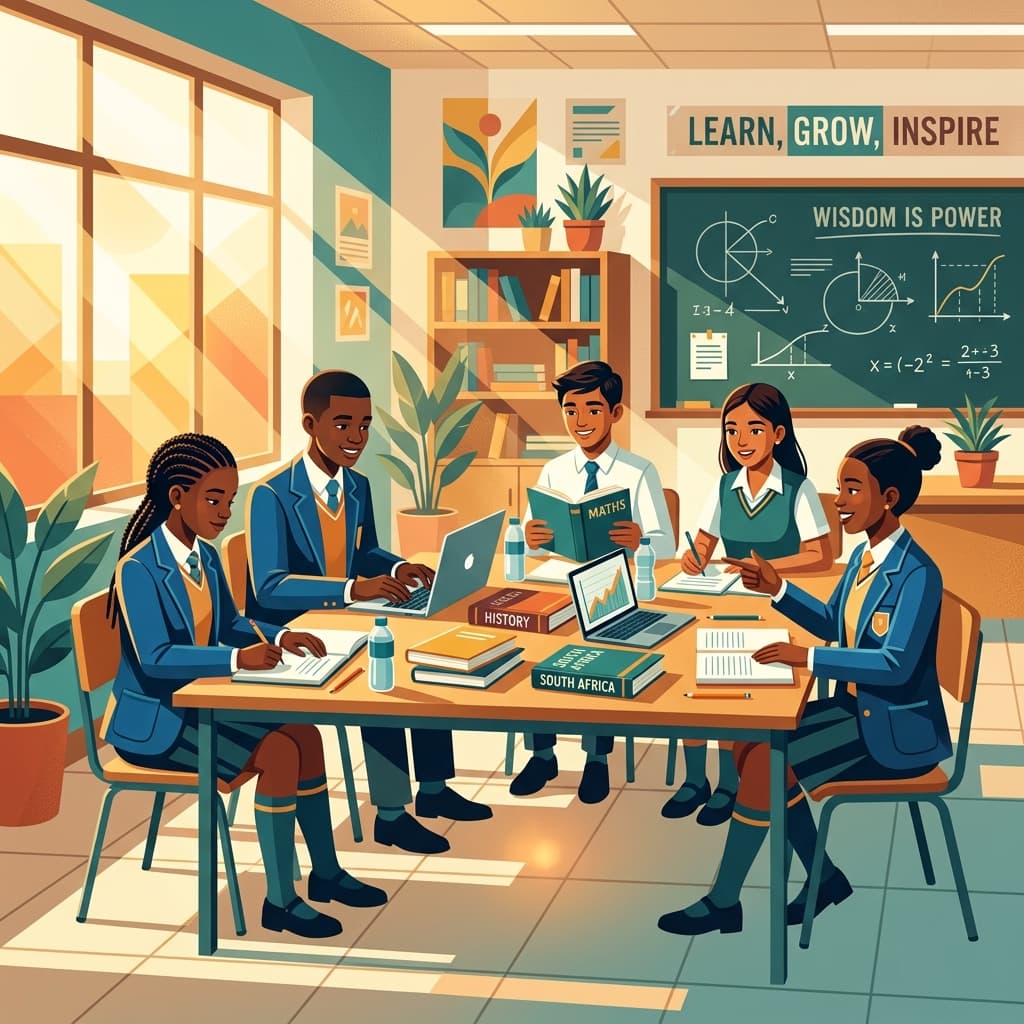
It's a common scenario in South African classrooms: you're delivering a crucial lesson, vital for achieving CAPS curriculum outcomes, and you notice eyes glazing over, fidgeting intensifying, or minds drifting. Teaching learners with short attention spans is undeniably one of the most persistent and often frustrating challenges educators face. Yet, it's a challenge not without effective solutions.
This post isn't about quick fixes, but about equipping you with a robust toolkit of proven strategies, grounded in pedagogical best practices, that can transform your classroom into a hub of sustained engagement and meaningful learning. We understand the pressures you face – large class sizes, diverse learning needs, and the relentless march of the curriculum. Our aim is to offer practical, supportive advice that you can implement, adapt, and refine within your unique teaching context.
Understanding the Landscape of Short Attention Spans
Before we delve into strategies, it's vital to understand what we're up against. Short attention spans aren't a sign of defiance; they're a complex issue influenced by a myriad of factors.
What Does a Short Attention Span Look Like?
In your classroom, a learner with a short attention span might:
- Struggle to complete tasks, even short ones.
- Become easily distracted by external stimuli (noises, movements outside, other learners).
- Lose focus quickly during explanations, lectures, or reading activities.
- Fidget, squirm, or move around excessively.
- Daydream or stare blankly.
- Miss key instructions or parts of a lesson.
- Frequently ask "What are we doing?" or "What was that again?"
- Show inconsistent performance, excelling in brief bursts but struggling with sustained effort.
Why Do Learners Struggle with Sustained Attention?
The reasons are multifaceted and often overlap:
- Developmental Factors: Younger learners naturally have shorter attention spans. Their brains are still developing the executive functions needed for sustained focus and impulse control.
- Environmental Overload: Modern life, with its constant stimulation from digital devices, can rewire brains to expect rapid-fire content, making traditional classroom delivery feel slow.
- Lack of Engagement: If content isn't perceived as relevant, interesting, or challenging enough, minds will wander.
- Learning Differences: Conditions like ADHD (Attention-Deficit/Hyperactivity Disorder), dyslexia, or even anxiety can significantly impact a learner's ability to focus.
- Sleep Deprivation/Nutrition: Basic physiological needs play a huge role. Tired or hungry learners struggle to concentrate.
- Emotional State: Stress, anxiety, or emotional distress can hijack a learner's cognitive resources, making focus nearly impossible.
- Pace of Instruction: If lessons move too fast, learners get lost; too slow, they get bored. Finding that sweet spot is crucial.
Recognising these underlying causes helps us approach the challenge with empathy and a more targeted strategy.
Creating a Conducive Classroom Environment
A well-structured and predictable environment is the bedrock upon which sustained attention can be built.
Establish Clear Routines and Expectations
Learners, especially those with attention challenges, thrive on predictability.
- Visual Schedules: Display a daily or weekly schedule on the board. Use pictures for younger learners or those with literacy challenges. This helps them anticipate what's next and manage their expectations.
- Consistent Procedures: From how to hand in homework to what to do when they finish a task early, consistent procedures reduce cognitive load and uncertainty.
- Clear Rules, Consistently Enforced: Rules should be few, positively phrased, and always followed through. This creates a sense of safety and order.
Minimise Distractions
While impossible to eliminate entirely, you can significantly reduce common classroom distractions.
- Seating Arrangements: Strategically seat learners who are easily distracted away from windows, doors, or high-traffic areas. Consider seating them closer to you or next to focused peers.
- Clutter Control: A visually chaotic classroom can be overwhelming. Keep learning areas tidy and free from unnecessary visual clutter.
- Noise Management: Teach learners strategies for quiet work, such as using "whisper voices" during group activities. Consider a "quiet corner" for independent work when needed.
- Designated Spaces: Have clear zones for different activities (e.g., reading corner, group work tables, individual work desks).
Foster a Positive and Engaging Atmosphere
Learners are more likely to focus when they feel safe, valued, and connected.
- Build Relationships: Greet learners at the door, learn their names, and show genuine interest in their lives. A strong teacher-learner relationship is a powerful motivator for engagement.
- Encourage Participation: Create a classroom culture where all voices are valued, and making mistakes is seen as part of learning.
- Positive Reinforcement: Focus on what learners are doing right. Acknowledge effort and progress, not just perfect outcomes. "Sipho, I noticed how you kept working through that challenging Maths problem, well done!"
Dynamic Instructional Strategies to Capture and Sustain Focus
This is where the magic happens – actively adapting your teaching methods to meet learners where they are.
Short Bursts and Varied Activities
Our brains aren't designed for hour-long lectures. Chunking information and varying activities are crucial.
- Micro-Lessons: Break down your content into smaller, manageable segments (e.g., 10-15 minute blocks for older learners, 5-8 minutes for younger ones). After each segment, switch to a different activity.
- Example: For a Grade 7 Social Sciences lesson on climate change:
- 5 min: Quick brainstorm "What is climate change?" (Pair-share).
- 10 min: Teacher explains key terms with visual aids.
- 8 min: Watch a short, engaging video clip on an aspect of climate change.
- 7 min: Learners summarise the video in their own words or answer a quick multiple-choice question.
- 10 min: Group discussion on local impacts.
- Example: For a Grade 7 Social Sciences lesson on climate change:
- Timer Techniques: Use a visual timer (on the board, a sand timer) for tasks. "You have 5 minutes to complete these two sums." This creates a sense of urgency and helps learners manage their time.
- Switching Modalities: Don't stick to one mode of delivery. Alternate between:
- Listening (teacher explanation)
- Reading (textbook, worksheet)
- Writing (note-taking, short answers)
- Speaking (discussions, presentations)
- Doing (hands-on activities, drawing)
Active Learning and Participation
Lesson Planner
Generate comprehensive, CAPS-aligned lesson plans in seconds.
Passive listening quickly leads to disengagement. Get learners doing and thinking.
- Hands-On Activities and Manipulatives: For Maths, use counters, abacuses, or physical models. For Science, conduct simple experiments or demonstrations. For Language, use flashcards or role-play. This engages tactile and kinesthetic learners.
- Practical Tip: Even for abstract concepts, try to find a physical representation. For verbs, ask learners to act out a verb.
- Movement Breaks: Incorporate short, purposeful movement breaks.
- "Stand Up, Sit Down": Ask a question, and if learners agree, they stand up; if they disagree, they stay seated.
- "Stretch Break": Every 20-30 minutes, lead a quick 30-second stretch.
- "Brain Breaks": Short, energetic activities like "Simon Says" or a quick song for younger learners.
- Think-Pair-Share: A powerful strategy for all grades.
- Think: Pose a question and give learners 30 seconds to think independently.
- Pair: Learners discuss their thoughts with a partner for 1-2 minutes.
- Share: A few pairs share their ideas with the whole class. This ensures everyone thinks and talks, not just a few.
- Collaborative Group Work: Design tasks that require group participation, where each member has a role. Ensure groups are well-structured with clear objectives.
- Effective Questioning Techniques:
- Non-Volunteers First: Don't always call on the same enthusiastic hands. Use strategies like "popsicle stick picking" to ensure everyone is ready to answer.
- Wait Time: After asking a question, pause for 3-5 seconds before expecting an answer. This gives learners time to process and formulate a response, benefiting those who need a bit longer.
- Socratic Method: Ask open-ended questions that encourage deeper thinking rather than simple recall. "Why do you think that happened?" "What evidence supports your idea?"
Gamification and Novelty
Infuse your lessons with elements of play, surprise, and challenge.
- Educational Games: Integrate online quizzes (e.g., Kahoot, Quizizz), board games, or teacher-created games that reinforce learning.
- CAPS Example: For a Grade 5 Maths lesson on fractions, create a "Fraction Bingo" where you call out equivalent fractions, and learners mark their cards.
- Challenges and Rewards: Set small challenges with immediate, low-stakes rewards (e.g., extra minute of free time, a sticker, verbal praise).
- Storytelling: Human beings are wired for stories. Frame lessons as narratives. "Imagine you are a pioneer..." or "Let's uncover the mystery of..."
- Mystery Box/Bag: Start a lesson by revealing an object from a "mystery box" that relates to the topic. This immediately sparks curiosity.
Visual Aids and Multi-Sensory Learning
Engage as many senses as possible to cement learning and maintain interest.
- Charts, Diagrams, Mind Maps: Visual representations help learners organise information and see connections. Co-create mind maps with learners on the board.
- Videos and Audio Clips: Short, high-quality educational videos (e.g., from YouTube Kids, SABC Education resources) can explain complex concepts vividly. Audio clips of historical speeches or natural sounds add another dimension.
- Flashcards: Excellent for vocabulary, facts, or quick recall exercises.
- Role-Playing and Simulations: For History, act out a historical event. For Life Skills, role-play conflict resolution. This is particularly effective for social and emotional learning outcomes in CAPS.
- Graphic Organisers: Provide structured templates for note-taking, comparing and contrasting, or sequencing events.
Personalisation and Differentiation
Recognise that every learner is unique and tailor your approach accordingly, aligning with CAPS differentiation principles.
- Know Your Learners: Understand their interests, strengths, and preferred learning styles. This allows you to connect content to their world.
- Offer Choice: Where appropriate, give learners options for how they demonstrate their learning (e.g., write an essay, create a poster, deliver a short presentation). This empowers them and increases engagement.
- Differentiated Tasks: Provide tasks at varying levels of complexity or with different support structures.
- Example: For a writing task, some learners might start with a sentence starter, others with a full paragraph frame, and advanced learners with a blank page.
- Set Achievable Goals: Help learners break down larger tasks into smaller, more manageable steps. Celebrate the completion of each small step.
- Individualised Support: Circulate the classroom, providing one-on-one check-ins and support. A quick, quiet word of encouragement or clarification can re-engage a drifting learner.
Leveraging Technology Judiciously
Technology, when used thoughtfully, can be a powerful tool for enhancing engagement and catering to diverse attention needs. It's not about replacing you, but augmenting your teaching.
- Interactive Whiteboards/Smartboards: These allow for dynamic lessons, drag-and-drop activities, and immediate feedback, making content more engaging.
- Educational Apps and Software: There are numerous apps designed for specific subjects (e.g., maths practice, language learning) that offer gamified, interactive experiences.
- Short Educational Videos: Platforms like YouTube (curated for educational content) or specific educational streaming services offer excellent visual resources to supplement your teaching.
- Digital Quizzes and Polls: Tools like Kahoot, Quizizz, or Google Forms can quickly assess understanding and provide immediate, fun feedback.
- Augmented Reality (AR) and Virtual Reality (VR): While not universally accessible, if available, these can offer incredibly immersive experiences that capture attention like nothing else, taking learners on virtual field trips or exploring 3D models.
Remember, the key is judicious use. Technology should serve the learning objective, not be a distraction itself. Set clear guidelines for its use and monitor engagement.
Cultivating Self-Regulation and Metacognition
Beyond managing their attention, we want to empower learners to manage it themselves. This is about teaching them how to learn and how to focus.
- Goal Setting: Teach learners to set small, achievable goals for a task or a lesson. "My goal for this Maths activity is to finish the first 5 questions correctly."
- Self-Monitoring: Encourage learners to periodically check their own focus. "Am I paying attention? What was the last thing the teacher said?" You can use a simple "focus check" signal (e.g., thumbs up if you're with me, thumbs down if you're a bit lost).
- Breathing Exercises: Teach simple deep breathing techniques. A few slow, deep breaths can calm an overstimulated mind and help re-centre focus.
- Mindfulness Moments: Short, guided mindfulness exercises (even 60 seconds) can help learners become more aware of their present moment and less prone to distraction. "Listen to the sounds around you, what do you hear?"
- "Brain Dump" Sessions: If a learner is preoccupied with other thoughts, allow them a moment to quickly write down what's on their mind so they can clear their mental space to focus on the lesson.
Collaborating with Parents and Guardians
Home-school collaboration is a powerful force in supporting learners with attention challenges.
- Open Communication: Keep parents informed about their child's progress and any challenges observed in class.
- Share Strategies: Provide parents with simple strategies they can use at home to support focus (e.g., structured homework time, reducing screen time before bed, creating a quiet study space).
- Consistency is Key: Reinforce the importance of consistent routines and expectations between school and home.
- Listen to Parent Insights: Parents often have invaluable insights into their child's unique needs and what works best for them.
When to Seek Further Support
While these strategies are highly effective for most learners, some may require more specialised support.
- Identify Persistent Challenges: If, despite consistent implementation of varied strategies, a learner continues to struggle significantly with attention, it might be time for further assessment.
- School-Based Support Team (SBST): Utilise your school's SBST. They can provide advice, additional resources, and help facilitate referrals.
- Referral Pathways: If necessary, collaborate with parents to consider referrals to educational psychologists, occupational therapists, or other specialists who can diagnose underlying conditions (like ADHD) and recommend individualised interventions. Remember, early intervention is always beneficial.
Cultivating a Culture of Focus and Engagement
Teaching learners with short attention spans is an ongoing journey of adaptation, creativity, and compassion. It challenges us to be more dynamic, more observant, and more innovative in our pedagogical approaches. By consistently employing a diverse range of strategies – from creating a predictable environment and segmenting content to leveraging active learning and fostering self-regulation – you are not just managing attention; you are building critical cognitive skills that will serve your learners throughout their academic lives and beyond.
Remember, every small win, every moment of sustained focus you achieve in your classroom, is a testament to your dedication and skill. Keep experimenting, keep adapting, and keep believing in the potential of every learner in your care. Your efforts make a profound difference.
Andile. M
Dedicated to empowering South African teachers through modern AI strategies, research-backed pedagogy, and policy insights.