Navigating the Diverse Landscape: Effective Differentiated Teaching Strategies for Mixed-Ability Classrooms
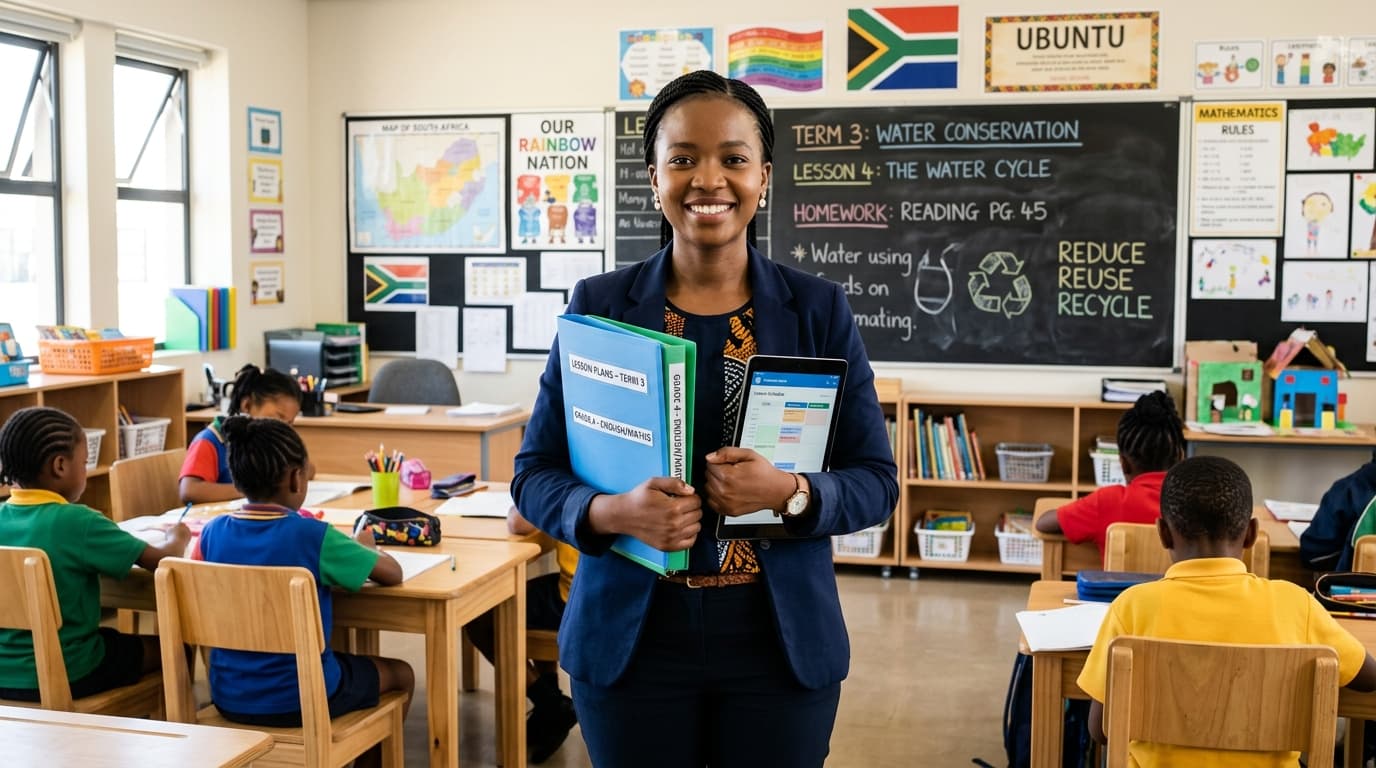
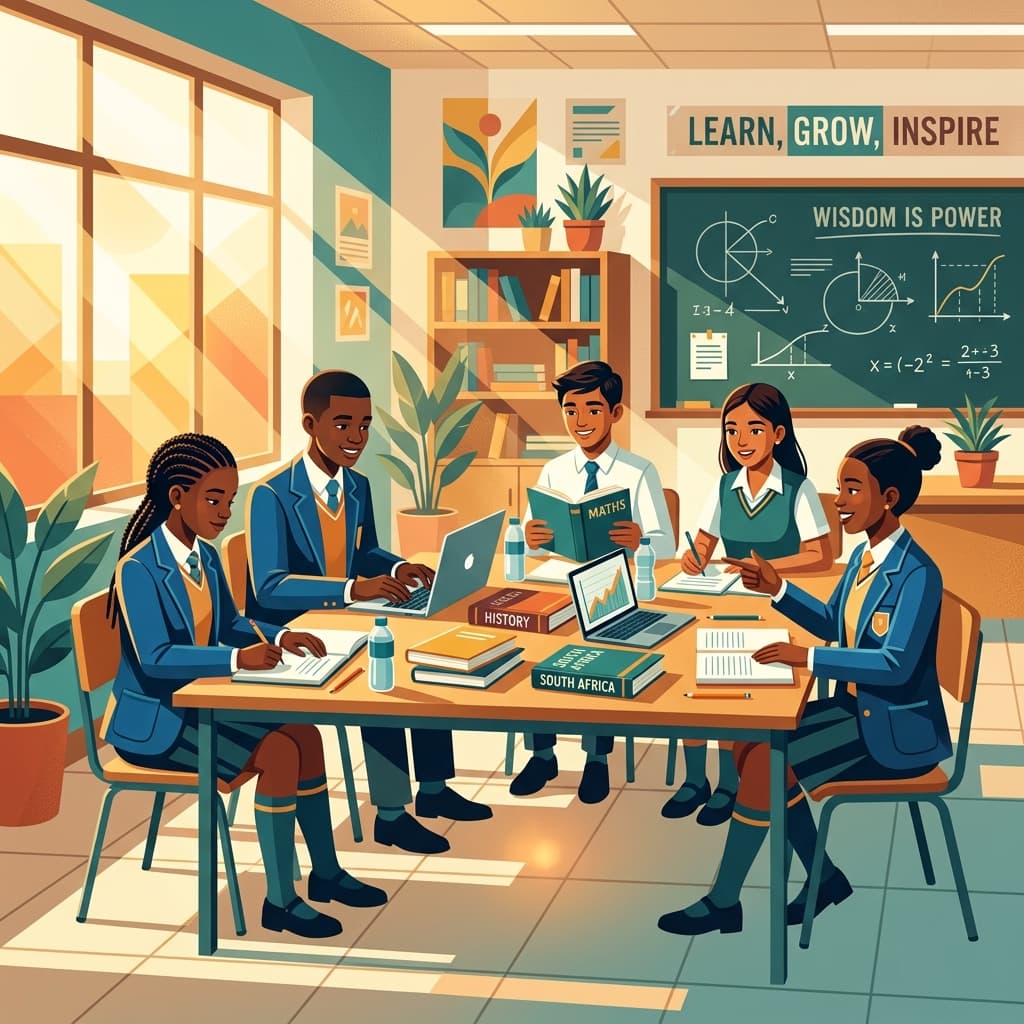
As South African educators, we stand at the vibrant, sometimes overwhelming, intersection of diverse learners, unique challenges, and immense potential. Our classrooms are microcosms of our nation – rich with varied backgrounds, learning styles, prior knowledge, and aspirations. Teaching a single lesson to a class of 40 or more learners, each with their own pace and proficiency, can feel like orchestrating a symphony with musicians who have different instruments and sheet music. Yet, the CAPS curriculum, with its strong emphasis on learner-centred approaches and inclusive education, calls upon us to meet every learner where they are.
This is where differentiated instruction becomes not just a pedagogical ideal, but an essential, practical toolkit. It's about proactive planning and responding to the diverse needs of all learners in the classroom, ensuring that every child, from the quick comprehenders to those needing more support, is challenged appropriately and feels a sense of achievement and belonging. It's not about creating 40 individual lesson plans; it's about providing multiple pathways for learners to access content, process ideas, and demonstrate their understanding.
The South African Classroom: A Tapestry of Learners
Our educational landscape is unique. We deal with multilingualism, varying levels of access to resources, and a wide spectrum of socio-economic realities that profoundly impact learning. Recognising this diversity isn't a burden; it's the first step towards truly effective teaching.
Embracing Diversity as a Strength
Think about your own classroom. You likely have learners who:
- Are proficient in the Language of Learning and Teaching (LOLT) and others who are still developing their proficiency, especially in higher grades.
- Grasp concepts quickly and are ready for extension activities.
- Require more time, repetition, and varied approaches to master core concepts.
- Have exceptional needs, either formally diagnosed or informal, requiring specific accommodations.
- Come from homes rich with educational resources and others where basic learning materials are scarce.
- Bring a wealth of cultural knowledge and experiences that can enrich the learning environment.
The CAPS curriculum explicitly encourages us to address these diverse needs, aiming to unlock the potential in every learner. Differentiation provides the framework for this inclusivity, ensuring no learner is left behind, nor is any learner left unchallenged.
Understanding the Pillars of Differentiation
Carol Ann Tomlinson, a leading expert in differentiated instruction, highlights four key areas where we can differentiate:
- Content: What the learner needs to learn or how the learner will get access to the knowledge, understanding, and skills. This includes the facts, concepts, generalisations, rules, theories, and principles that learners are expected to learn.
- Process: How the learner makes sense of the content. These are the activities that learners engage in to understand and "own" the knowledge, understanding, and skills.
- Product: How the learner demonstrates what they have learned and understood. This is the culminating performance task that allows learners to apply what they have learned.
- Learning Environment: The context or atmosphere in which learning happens. This includes the physical layout of the classroom, the classroom management strategies, and the overall climate of the classroom.
These four pillars can be tailored to address learners' readiness (their current knowledge, skills, and understanding related to a particular topic), interest (what sparks their curiosity and engagement), and learning profile (their preferred ways of learning, often influenced by intelligence preferences, gender, or culture). By thoughtfully adjusting these elements, we can create a dynamic, responsive learning experience for all.
Practical Strategies for Differentiating Content
Differentiating content involves providing varied pathways for learners to access key information and concepts. It's about ensuring all learners engage with the core curriculum, but at appropriate levels of complexity and through suitable modalities.
Tiered Activities and Resources
This strategy involves designing different versions of the same core content or task, varying in complexity, abstractness, or degree of scaffolding. All tiers are focused on the same essential understanding or skill, but they are presented to match learners' readiness levels.
Example: Grade 7 Natural Sciences – Photosynthesis
- Tier 1 (Support): Provide a simple, clearly labelled diagram of photosynthesis with key terms. Learners complete a cloze passage using a word bank and sequence the steps of photosynthesis using picture cards. Focus on basic inputs (sunlight, water, CO2) and outputs (glucose, oxygen).
- Tier 2 (Core): Learners read a simplified text explaining photosynthesis. They then create a concept map or flow chart showing the process, identifying reactants and products, and explaining the role of chlorophyll.
- Tier 3 (Extension): Learners research and explain how different environmental factors (light intensity, CO2 levels, temperature) affect the rate of photosynthesis. They could design a simple experiment to test one factor or write a short paragraph explaining the importance of photosynthesis for life on Earth, including food chains.
By using tiered resources, every learner is working on the same topic, but the cognitive load is adjusted to their readiness.
Scaffolding and Frontloading
Scaffolding means providing temporary support to learners to help them master new concepts or skills that would otherwise be beyond their capabilities. Think of it like a builder's scaffold – it's there to support construction but is removed once the structure is strong enough.
- Pre-teaching Vocabulary: Before introducing a new topic in History or Geography, identify key technical terms. Introduce and explain these terms beforehand, perhaps through visual aids, short definitions, or real-life examples. For example, before discussing "democracy" or "apartheid" in Social Sciences, ensure learners understand what these terms mean in a basic context.
- Graphic Organisers: Provide graphic organisers (e.g., KWL charts, Venn diagrams, concept maps, storyboards) to help learners structure information, identify relationships, and organise their thoughts, especially for complex texts or topics.
- Sentence Starters/Frames: For learners struggling with written expression, particularly in Home Language or First Additional Language, offer sentence starters (e.g., "The main reason for...", "I agree with this statement because...", "This shows that...") to help them formulate their ideas.
- Modelling: Explicitly model desired behaviours, thought processes, or writing styles. For example, demonstrate how to solve a particular type of Math problem step-by-step, or how to critically analyse a poem in English.
Frontloading is similar, focusing on providing essential background knowledge or skills before embarking on a new unit. For example, if your Grade 6 Natural Sciences unit involves understanding circuits, you might frontload with a quick review of conductors and insulators.
Flexible Grouping for Targeted Content Delivery
Grouping learners strategically and temporarily allows you to target specific content or provide differentiated support. This is distinct from fixed-ability grouping, which can often label learners and limit their potential.
- Readiness Groups: Group learners for a specific lesson based on their current understanding of a concept (e.g., those who need reteaching, those ready for practice, those ready for extension). These groups are fluid and change regularly based on formative assessment.
- Interest Groups: Allow learners to choose a topic or aspect of a unit to explore further in small groups. For example, in a Life Orientation unit on health, groups might choose to research nutrition, exercise, or mental well-being.
- Skill Groups: Focus on developing a specific skill, such as reading comprehension, data interpretation in Maths, or essay writing.
- Pair-Share: Simple yet effective. After a short input, ask learners to discuss a concept with a partner before sharing with the whole class. This allows learners to process initial ideas in a less intimidating setting.
When using flexible grouping, ensure clear tasks for each group and circulate actively to provide support and clarification.
Differentiating the Learning Process for Engagement
The 'process' refers to how learners make sense of the content. This is where we offer varied activities and strategies to help learners process information, practise skills, and deepen their understanding.
Offering Choice and Autonomy
Empowering learners with choice can dramatically increase engagement and ownership of their learning. It respects their interests and learning profiles while keeping them accountable for mastering core objectives.
Example: Grade 9 Social Sciences – The Industrial Revolution
Instead of a single essay assignment, offer choices for how learners demonstrate their understanding of the impact of the Industrial Revolution:
- Option A: Write a descriptive essay about the social changes in Britain during the Industrial Revolution.
- Option B: Create a historical newspaper front page reporting on key inventions and their societal impact.
- Option C: Design and present a short dramatic skit or role-play depicting the life of factory workers or inventors during the period.
- Option D: Construct a detailed timeline with accompanying explanations of key events and their significance.
Each option addresses the same core learning outcomes but caters to different strengths (writing, visual-spatial, kinesthetic, oral presentation).
Varied Instructional Methods
Moving beyond 'chalk and talk' is crucial for engaging diverse learners. Incorporate a mix of teaching methods throughout a lesson or unit.
- Direct Instruction: Necessary for introducing new concepts or skills. Keep it focused, clear, and concise.
- Cooperative Learning: Learners work together in small groups on a common task. This fosters peer learning, communication skills, and allows more capable learners to support others. Think 'jigsaw' activities, think-pair-share, or group problem-solving in Mathematics.
- Inquiry-Based Learning: Pose questions or present problems that learners investigate. This can be particularly engaging for learners who thrive on exploration and critical thinking. For example, in Life Skills, present a scenario involving a social dilemma and ask groups to propose solutions.
- Project-Based Learning (PBL): Extended projects that require learners to investigate, create, and present solutions to real-world problems. PBL is inherently differentiated as it allows for multiple roles, research avenues, and product choices.
- Visual, Auditory, and Kinesthetic (VAK) Approaches:
- Visual: Use diagrams, charts, videos, infographics, mind maps.
- Auditory: Incorporate discussions, debates, podcasts, read-alouds.
- Kinesthetic: Include hands-on experiments, role-playing, manipulatives (especially in Foundation and Intermediate Phase Maths), movement breaks, building models.
Leveled Questioning Techniques
Using Bloom's Taxonomy (or a similar framework) helps you pitch questions at different cognitive levels, ensuring all learners can participate and be challenged appropriately.
- Knowledge/Recall: "What are the three states of matter?" (Grade 5 Natural Sciences) – Good for foundational understanding.
- Comprehension/Understanding: "In your own words, explain the difference between a solid and a liquid."
- Application: "How would you demonstrate the melting of ice in the classroom?"
- Analysis: "What evidence suggests that water can exist in all three states?"
- Evaluation: "Which method of preserving water is most effective in our community and why?" (Grade 6 Social Sciences)
- Creation: "Design an experiment to show how a liquid can become a gas."
By asking a range of questions, you encourage deeper thinking from some while ensuring others can still engage with and respond to the material at a more basic level. Direct higher-order questions to learners who show readiness, and use scaffolding questions for those who need support.
Differentiating Products: Demonstrating Understanding
How learners demonstrate their learning (the product) is a powerful area for differentiation. It moves beyond the traditional test or essay, allowing learners to showcase their understanding in ways that align with their strengths and learning profiles.
Lesson Planner
Generate comprehensive, CAPS-aligned lesson plans in seconds.
Multiple Avenues for Assessment
Offer learners choices in how they present their knowledge and skills. This empowers them and often leads to richer, more authentic demonstrations of learning.
Example: Grade 8 Home Language – Literary Analysis of a Short Story
Instead of a standard essay, learners could choose to:
- Write a formal essay: Analysing character development and theme.
- Create a visual storyboard: Depicting key plot points and character emotions, with written captions explaining their significance.
- Perform a dramatic monologue: From the perspective of a key character, revealing their motivations and feelings.
- Design a "director's brief": Explaining how they would adapt the story into a film, including casting choices and key scene interpretations.
- Engage in a structured debate: On a controversial aspect of the story's theme.
Each product allows assessment of comprehension, critical thinking, and the ability to articulate insights, but through different mediums.
Rubrics and Clear Expectations
Regardless of the product chosen, transparent and comprehensive rubrics are essential. They clarify expectations and criteria for success, allowing learners to understand what constitutes quality work.
- Differentiated Rubrics: While the core criteria remain the same, you might adjust the complexity or number of criteria for different tiers of a task. For example, a learner needing more support might focus on fewer, more fundamental criteria (e.g., identifying main ideas), while an advanced learner's rubric might include criteria for nuanced analysis and sophisticated vocabulary.
- Co-created Rubrics: Involve learners in developing parts of the rubric. This helps them internalise the expectations and take ownership.
- Self- and Peer-Assessment: Teach learners to use rubrics to assess their own work and the work of their peers. This develops metacognitive skills and promotes self-reflection.
Formative Assessment as a Compass
Formative assessment is the bedrock of effective differentiation. It's not just about giving grades; it's about continuously gathering information to inform and adjust your teaching in real-time.
- Exit Tickets: At the end of a lesson, ask learners to write down "One thing I learned today" or "One question I still have." This provides instant feedback on comprehension and identifies areas for reteaching.
- Thumbs Up/Down/Sideways: Quick check for understanding.
- Whiteboard Responses: Learners jot down answers or ideas on small whiteboards and hold them up, allowing you to quickly scan the class.
- Observation: Pay close attention during group work, independent tasks, and discussions. Who is engaged? Who is struggling? Who is offering insightful contributions?
- One-on-One Check-ins: Briefly speak with individual learners to gauge their understanding and provide targeted support.
- Informal Quizzes/Checklists: Short, ungraded activities to assess mastery of specific concepts.
By regularly using formative assessment, you can identify learners who need more support, those who are ready to move on, and those who need a greater challenge, allowing you to adapt your instruction proactively.
Cultivating a Differentiated Learning Environment
The physical and emotional atmosphere of your classroom profoundly impacts a learner's ability to engage with differentiated instruction. A supportive, flexible, and stimulating environment is key.
Flexible Seating and Learning Zones
While not every South African classroom has the luxury of extensive space or furniture, even small adjustments can make a difference.
- Create 'Zones': Designate areas for specific types of learning. This could be a quiet reading corner, a small group discussion area, or a space for hands-on activities. Even if it's just moving desks to create a cluster, it signals a shift in activity.
- Vary Seating Arrangements: Sometimes whole-class rows are necessary, but for group work, move desks into clusters. For individual work, ensure learners have sufficient personal space.
- Leverage Floor Space: Especially in Foundation and Intermediate Phases, the floor can be an excellent learning zone for storytelling, group games, or carpet work.
- Visual Schedules and Expectations: Display clear visual schedules of the day's activities and explicit expectations for working in different zones or groups.
These physical arrangements subtly communicate that different activities require different approaches and support various learning styles.
Fostering a Growth Mindset
Differentiation thrives in a classroom where learners believe their intelligence and abilities can grow with effort. This is particularly vital in contexts where learners might face significant educational or socio-economic barriers.
- Emphasise Effort and Progress: Praise effort, persistence, and improvement, not just innate ability. Celebrate small wins.
- Normalise Mistakes: Frame mistakes as learning opportunities. "Every mistake is a chance to learn something new."
- Teach Brain Science (Simply): Explain to learners that their brains are like muscles that get stronger with exercise.
- Provide Specific, Actionable Feedback: Instead of "Good job," say "I noticed you used three strong adjectives in your paragraph, which made your description much more vivid." Or, "You struggled with this sum, but you didn't give up and eventually solved it. That shows great perseverance."
- Model a Growth Mindset: Be open about your own learning journey and challenges as an educator.
When learners feel safe to take risks and know that their efforts are valued, they are more likely to engage with challenging, differentiated tasks.
Teacher as Facilitator and Coach
In a differentiated classroom, the teacher shifts from being the sole dispenser of knowledge to a facilitator, guide, and coach.
- Circulate Continuously: Move around the classroom, checking in with various groups and individuals. Listen, observe, and offer timely support.
- Ask Probing Questions: Guide learners to discover answers rather than simply giving them the solution. "What have you tried so far?" "What could be another way to approach this?" "Where could you find more information?"
- Provide Targeted Support: Address misconceptions on the spot, offer hints, or direct learners to specific resources or peers who can help.
- Empower Peer Support: Teach learners how to effectively help each other without simply giving answers.
This active role allows you to respond dynamically to the diverse learning needs of your class.
Overcoming Challenges and Sustaining Momentum
Implementing differentiated instruction is a journey, not a destination. It requires dedication, flexibility, and a willingness to learn and adapt. It's natural to encounter challenges, especially in the realities of South African schools.
Time Management and Planning
The biggest concern for many teachers is the perceived time investment.
- Start Small: Don't try to differentiate everything, everywhere, all at once. Choose one subject or one concept, and try one differentiation strategy. Build from there.
- Re-purpose and Reuse: Develop a bank of differentiated resources over time. Many activities can be adapted for different grades or topics.
- Collaborate with Colleagues: Share resources, lesson plans, and ideas with fellow teachers. A Grade 6 teacher might adapt a resource from a Grade 5 teacher, for example.
- Plan "Open-Ended" Tasks: Design tasks that allow for varied levels of engagement and outcome without needing a separate set of instructions for each group. For instance, "Create a mind map about X" allows for simple or complex responses.
Resourcefulness in SA Schools
Many schools face resource constraints. Differentiation doesn't require expensive materials.
- DIY Materials: Create flashcards, word walls, and simple manipulatives using readily available paper, cardboard, or even natural materials.
- Leverage Technology (if available): If you have access to computers or tablets, even limited, explore free educational apps, online resources, or simple word processing for differentiated tasks.
- Peer Tutoring: Empower stronger learners to support their peers. Teach them how to explain concepts without giving away answers.
- Community Involvement: Tap into local volunteers, retired teachers, or parents who might be willing to assist with small group work or resource creation.
Collaboration and Professional Learning Communities (PLCs)
You are not alone in this journey. Collective wisdom and support are invaluable.
- Form PLCs: Regular meetings with colleagues (within your grade or subject specific) to discuss challenges, share successful strategies, and co-plan differentiated lessons.
- Observe and Be Observed: A valuable way to learn is to observe how other teachers differentiate in their classrooms. Offer the same opportunity.
- Seek Out Professional Development: Attend workshops, webinars, or online courses focused on differentiation and inclusive education, aligned with DBE guidelines.
Reflective Practice
Continuously reflect on your teaching practice.
- Ask Yourself: What worked well today? Which learners were highly engaged? Who struggled and why? How could I adjust this lesson next time to better meet diverse needs?
- Keep a Teaching Journal: Jot down observations, successes, and areas for improvement. This helps you track your progress and refine your strategies.
Embracing the Journey
Differentiated instruction is not about perfecting every lesson for every learner from day one. It's about a mindset – a commitment to seeing each learner as an individual, with unique needs and immense potential. It's about making small, deliberate shifts in your practice that, over time, create a truly inclusive and engaging learning environment.
As South African teachers, we possess an incredible ability to adapt and innovate. By embracing differentiated strategies, we not only align our practice with the progressive goals of the CAPS curriculum but also empower every child in our diverse classrooms to discover their strengths, overcome their challenges, and thrive academically and personally. Let us continue to build these bridges of learning, one purposeful strategy at a time.
Siyanda. M
Dedicated to empowering South African teachers through modern AI strategies, research-backed pedagogy, and policy insights.