The Silent Crisis: E-Waste Management and Environmental Responsibility in South Africa
For every sleek new smartphone that arrives in a South African store and every high-speed laptop that enters a classroom, an older device is destined for the scrap heap. This cycle of consumption is the hallmark of the digital age, but it comes with a significant environmental cost. Electronic waste, or "e-waste," is currently the fastest-growing waste stream in the world, and South Africa is at a critical crossroads. How we manage our discarded electronics today will determine the health of our environment—and our citizens—for generations to come.
What Exactly is E-Waste?
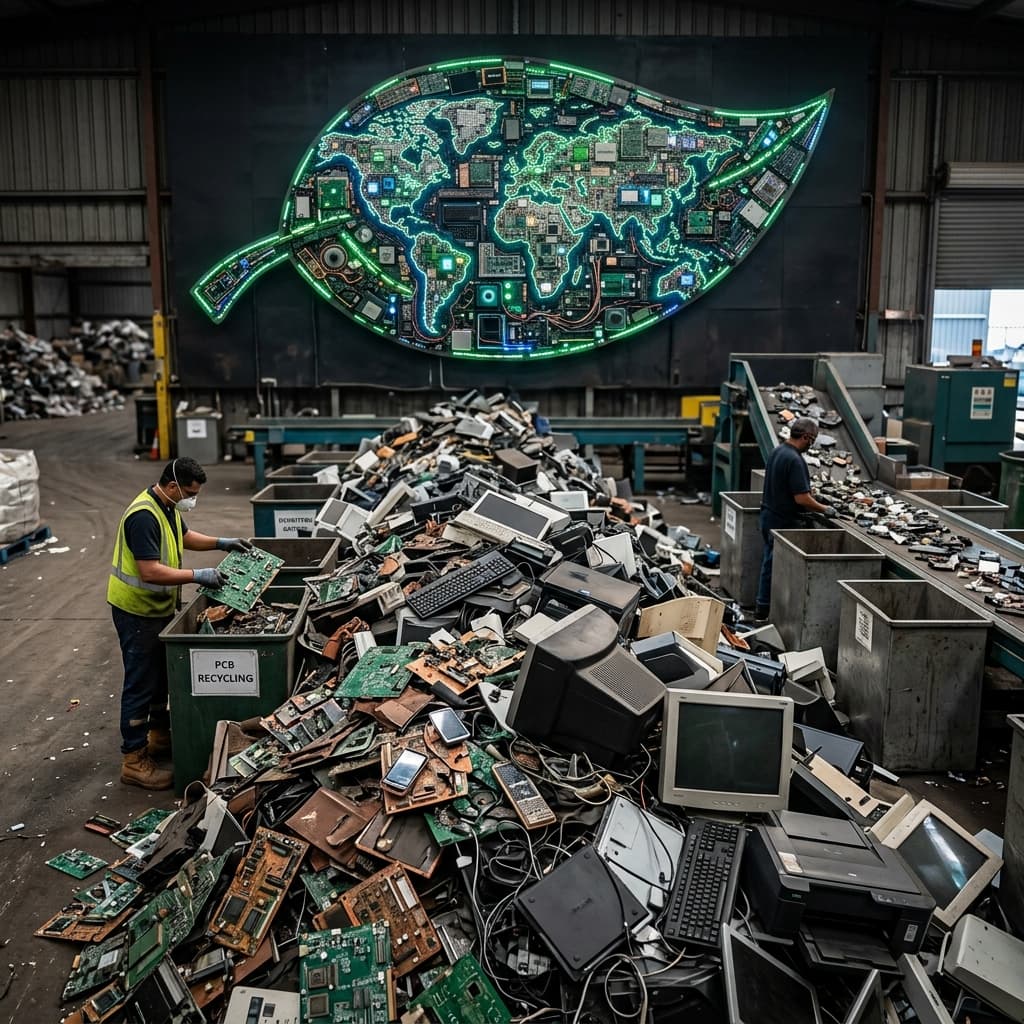
E-waste refers to any electronic or electrical equipment that has reached the end of its "useful life." This includes everything from large household appliances (like refrigerators and washing machines) to the smaller devices that dominate our daily lives: smartphones, tablets, printers, monitors, and the tangled cables that connect them.
While these devices are marvels of engineering when they work, they become toxic liabilities when improperly discarded.
The Environmental and Health Dangers
Why can't we just throw an old phone in the general trash? The answer lies in the complex materials found inside these devices.
1. Toxic Chemicals and Heavy Metals
Electronic components are packed with hazardous substances, including lead, mercury, cadmium, and brominated flame retardants. When e-waste is sent to standard landfills, these toxins can leak into the soil and groundwater. For communities living near these sites, the health risks are severe, ranging from respiratory issues and skin disorders to long-term neurological damage.
2. The Danger of "Backyard" Smelting
In many parts of South Africa, informal e-waste recycling occurs. Individuals often burn cables to retrieve copper or use acid baths to extract gold from circuit boards. These "backyard" methods release highly toxic fumes into the air and leave behind concentrated chemical residues that poison the local environment.
3. Lost Resources and the "Circular Economy"
Beyond the toxicity, e-waste represents a massive waste of precious resources. Modern electronics contain significant amounts of gold, silver, copper, and rare-earth elements. When we bury these in a landfill, we are forced to mine new materials from the earth—a process with its own high environmental and carbon cost. A "circular economy" approach aims to recover these materials and reuse them in the manufacturing of new products.
The State of E-Waste in South Africa
South Africa produces an estimated 415,000 tonnes of e-waste annually. Historically, our recycling rates have been low, but new regulations are changing the landscape.
The EPR (Extended Producer Responsibility) Regulations
Introduced in 2021, these regulations place the responsibility for the entire lifecycle of a product on the manufacturers and importers. They are now legally required to ensure that their products are collected and recycled responsibly at the end of their life. This is a massive step forward for South African environmental policy.
Lesson Planner
Generate comprehensive, CAPS-aligned lesson plans in seconds.
Local Recycling Initiatives
Several organizations, such as the E-Waste Association of South Africa (eWASA) and various private recycling firms (like Desco and ERA), are working to create a more formal and safe recycling infrastructure. They provide designated drop-off points at major retailers and community centers across provinces like Gauteng, KwaZulu-Natal, and the Western Cape.
How Schools and Businesses Can Lead the Way
As institutions that consume significant amounts of technology, schools and businesses have a unique opportunity to lead by example.
1. Implementing an E-Waste Policy
Every organization should have a clear policy on how it handles old technology. Instead of letting old computers gather dust in a storage room (where they eventually become "forgotten waste"), they should be audited regularly.
2. Donating vs. Recycling
If a device is still functional but no longer meets the school's needs, consider donating it to a less-resourced community center or a rural school. This extends the device's life and helps bridge the digital divide. However, if the device is truly broken, it must be sent to a certified e-waste recycler.
3. Educating the Next Generation
Environmental responsibility should be a core part of the Life Orientation and Natural Sciences curriculum. By teaching learners about e-waste today, we ensure they become responsible consumers and advocates for the planet tomorrow.
Simple Tips for the Individual
You don't need to be a large corporation to make a difference. Here is how you can manage your personal e-waste:
- Audit Your Drawers: Most of us have "zombie" devices—old phones and chargers sitting in drawers. Find your nearest e-waste drop-off point and clear them out.
- Repair Before Replace: Sometimes a slow laptop just needs a new battery or more RAM. Extending a device's life by even a year significantly reduces your environmental footprint.
- Buy for Longevity: Choose products that are known for their durability and "repairability."
Conclusion: A Greener Digital Future
Technology is an incredible force for progress, but it must be balanced with environmental stewardship. E-waste management is not just a technical challenge; it is a mindset shift. We must move away from the "disposable" culture and embrace a more sustainable relationship with our devices.
At SA Teachers, we are committed to sustainability. We encourage all our partner schools to implement responsible e-waste strategies. By recycling today, we protect the South African environment for the learners of tomorrow.
Trust Molai is the Founder of SA Teachers and a proponent of sustainable technology. He believes that true digital progress must be eco-friendly and socially responsible.
Trust Molai
Founder of SA Teachers. Passionate about educational technology, programming, and empowering the next generation of South African learners.