Fostering Dynamic Learning Environments: The Power of Learner Participation
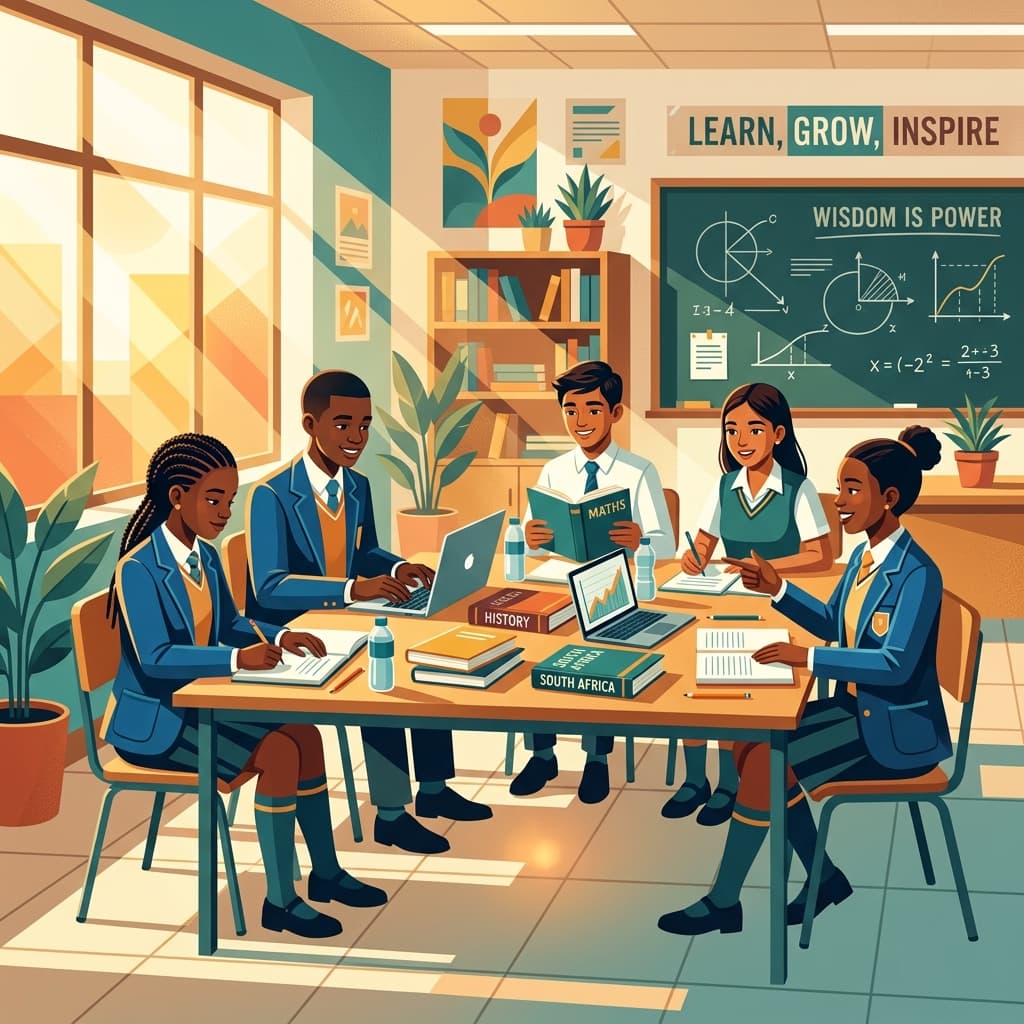
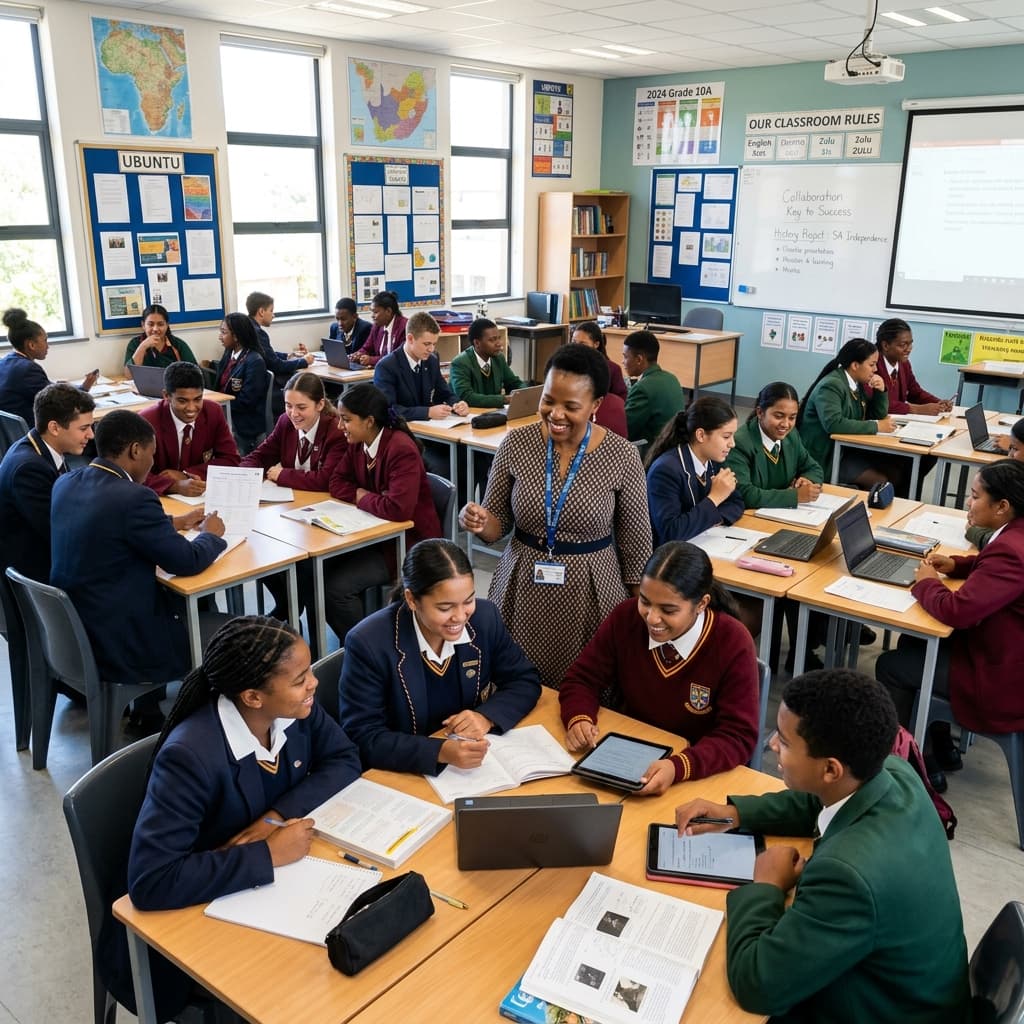
As South African educators, we understand the immense responsibility and privilege we hold in shaping the minds of our nation's future. The CAPS curriculum, with its emphasis on active and constructive learning, critical thinking, problem-solving, and socio-emotional development, inherently calls for classrooms where learners are not just passive recipients of information but active co-creators of knowledge. This requires a shift from traditional instruction to dynamic, participatory learning environments.
The challenge, however, often lies in translating this pedagogical ideal into practical, everyday classroom realities. How do we consistently ignite curiosity, encourage every voice, and ensure that all learners, regardless of their background or learning style, feel empowered to engage? The answer lies in intentionally designing and implementing fun, engaging classroom activities that are specifically geared towards increasing learner participation.
This comprehensive guide aims to equip you with a diverse toolkit of strategies and activities, grounded in sound pedagogical principles and aligned with the CAPS framework, to transform your classroom into a vibrant hub of active learning. We'll explore not just what activities to use, but why they work, and how to implement them effectively in the unique South African context.
Why Increased Learner Participation is Non-Negotiable
Beyond the immediate joy and energy that participatory lessons bring, the benefits for both learners and teachers are profound and far-reaching, directly impacting learning outcomes and personal development as envisioned by CAPS.
Deepened Understanding and Retention
When learners actively participate, whether through discussion, hands-on activities, or problem-solving, they are forced to process information more deeply. They move beyond rote memorisation to constructing meaning, linking new concepts to existing knowledge. This active construction leads to better understanding and significantly improved long-term retention of content, a critical aspect for CAPS assessments and future learning. For example, instead of merely being told about photosynthesis, physically acting out the process or building a model solidifies the concept in a way a textbook never could.
Development of Essential 21st-Century Skills
The CAPS curriculum explicitly promotes skills like critical thinking, communication, collaboration, and creativity. Participatory activities are the perfect crucible for developing these skills.
- Communication: Debates, presentations, group discussions, and peer teaching all hone verbal and non-verbal communication skills. Learners practice articulating their thoughts, listening actively, and responding constructively.
- Collaboration: Group projects, pair-share activities, and team challenges teach learners how to work effectively with others, negotiate, compromise, and leverage diverse strengths to achieve a common goal.
- Critical Thinking & Problem-Solving: Activities that require analysis, evaluation, and synthesis of information, or involve tackling real-world problems, directly foster higher-order thinking and equip learners to navigate complex situations.
- Creativity: Open-ended tasks, role-playing, and design challenges allow learners to express themselves uniquely, think innovatively, and explore multiple solutions to a problem.
Enhanced Motivation and Engagement
Boredom is the enemy of learning. When lessons are interactive and enjoyable, learners are naturally more motivated to participate. This intrinsic motivation translates into improved attendance, reduced disruptive behaviour, and a more positive attitude towards learning, creating a virtuous cycle where engagement begets more engagement. A classroom filled with laughter and active dialogue is often a classroom where learners feel a sense of belonging and purpose.
Building Self-Confidence and a Positive Classroom Culture
Speaking up in class can be intimidating. Fun, low-stakes participatory activities provide safe opportunities for learners to share their thoughts, make mistakes, and learn from them without fear of judgment. As they experience success and feel valued for their contributions, their self-confidence grows. This also contributes to a positive, inclusive classroom culture where every learner feels heard, respected, and an integral part of the learning community, aligning with CAPS's emphasis on valuing diversity and fostering a supportive environment.
Valuable Formative Assessment Opportunities
Active participation provides teachers with invaluable real-time insights into learner understanding. Through observing discussions, listening to explanations, and reviewing collaborative work, you can quickly identify misconceptions, gauge comprehension levels, and adapt your teaching on the fly. This continuous formative assessment is crucial for effective teaching and learning within the CAPS framework, allowing you to tailor your instruction to meet the evolving needs of your learners.
Addressing Barriers to Participation in the South African Classroom
Despite the clear benefits, encouraging participation isn't always straightforward. South African classrooms often present unique challenges: large class sizes, diverse language backgrounds, varying prior knowledge, and sometimes, cultural norms that may favour deference over outspokenness. Recognizing these barriers is the first step towards overcoming them.
Common Barriers
- Fear of Making Mistakes/Embarrassment: Learners, especially adolescents, are highly sensitive to peer judgment and may hold back to avoid appearing "wrong."
- Lack of Confidence: Past negative experiences, learning difficulties, or a perception of not being "smart enough" can silence learners.
- Language Barriers: Learners not fluent in the language of instruction may struggle to articulate their thoughts quickly or accurately, or feel inhibited by the effort required.
- Cultural Norms: In some cultural contexts, speaking out might be seen as disrespectful, drawing undue attention to oneself, or challenging authority.
- Large Class Sizes: It's harder for individual voices to be heard, and for teachers to manage and ensure individual participation.
- Lack of Prior Knowledge: Learners may not participate if they feel they have nothing meaningful or correct to contribute.
- Teacher Dominance: If the teacher does most of the talking, learners naturally become passive listeners rather than active participants.
- Disengagement/Boredom: Monotonous lessons or activities that lack relevance to learners' lives can lead to apathy and unwillingness to participate.
Strategies to Overcome Barriers
- Establish a Safe and Supportive Environment: Emphasise that mistakes are learning opportunities and a natural part of the learning process. Use positive reinforcement liberally and celebrate effort, not just correct answers.
- Start Small: Begin with low-stakes activities like pair-share or written responses before moving to public speaking. Gradually build up to more visible forms of participation.
- Provide Scaffolding: Offer sentence starters, word banks, graphic organisers, or visual aids to support learners with language challenges or those lacking confidence. Break down complex tasks into smaller, manageable steps.
- Vary Participation Methods: Not everyone wants to speak. Offer opportunities for written responses, drawing, acting, demonstrating, building models, or using digital tools. This caters to diverse learning styles and comfort levels.
- Use Randomisation: Instead of always asking for volunteers, use name sticks, a spinner, or a random name generator to ensure everyone is prepared to participate. This reduces the pressure on individuals while keeping everyone accountable.
- Wait Time: After asking a question, pause for 5-10 seconds. This "think time" gives all learners, especially those processing in a second language or those who need longer to formulate thoughts, adequate opportunity to prepare their response.
- Modelling: Demonstrate desired behaviours and explain expectations clearly. Model respectful listening, constructive feedback, and how to articulate an opinion respectfully.
- Encourage Peer Support: Design activities where learners help each other, fostering a sense of shared responsibility and teamwork rather than individual competition. Implement peer tutoring or mentorship where appropriate.
- Make it Relevant: Connect lesson content to learners' lives, local community issues, and the broader South African context to increase their intrinsic motivation to engage.
Engaging Activities for Every Classroom
Now, let's dive into practical, fun classroom activities designed to get everyone involved. These activities can be adapted across various CAPS subjects and grade levels, from Foundation Phase right through FET.
Quick Warm-Ups and Brain Breaks (5-10 minutes)
These short, sharp activities are excellent for starting a lesson, transitioning between topics, or re-energising learners. They are low-stakes and encourage immediate engagement.
1. Think-Pair-Share
- How it works:
- Think: Pose an open-ended question or a problem related to the lesson. Give learners 30-60 seconds of silent thinking time to formulate their own individual response.
- Pair: Learners turn to a partner (pre-assigned or a nearby peer) and discuss their thoughts for 1-2 minutes. They share their ideas, compare responses, and perhaps even refine their initial thoughts.
- Share: Bring the class back together. Ask a few pairs to share their combined or key ideas with the whole class. Emphasise that they are sharing their pair's ideas, not just their own.
- CAPS Application: Ideal for introducing a new topic (e.g., "What do you already know about photosynthesis?" Grade 7 Natural Sciences), reviewing a previous concept (e.g., "Summarise the main causes of the First World War" Grade 10 History), or predicting outcomes (e.g., "What might happen if we mix these two chemicals?" Grade 9 Natural Sciences). It's also great for vocabulary building and concept checks in languages.
- Benefits: Ensures every learner thinks and articulates their ideas in a low-risk, private setting before potentially sharing publicly. Increases confidence, provides multiple opportunities for verbalisation, and allows for peer teaching.
2. Four Corners
- How it works:
- Designate four corners of the room with different options (e.g., "Strongly Agree," "Agree," "Disagree," "Strongly Disagree," or four multiple-choice options "A," "B," "C," "D"). You can simply label them or display the options on a projector.
- Read a statement or pose a multiple-choice question relevant to the day's lesson.
- Learners physically move to the corner that represents their answer or opinion. Encourage them to move purposefully.
- Once in corners, learners briefly discuss why they chose that corner with others in their group. This builds consensus or highlights differing viewpoints within the group.
- Invite one or two learners from each corner to share their reasoning with the class, explaining their group's perspective.
- CAPS Application: Excellent for sparking debate on social issues (e.g., "The government should provide free tertiary education to all citizens" Grade 12 Life Orientation), gauging understanding of literary themes (e.g., "The main character was justified in their actions" Grade 11 Home Language/FAL), or reviewing subject content (e.g., "The main cause of soil erosion is deforestation" Grade 8 Natural Sciences/Geography). It can even be used for maths problems where multiple approaches are possible.
- Benefits: Gets learners moving, encourages active listening and justification of opinions, visually represents class consensus and dissent, and caters to kinesthetic learners.
3. Quick Write/Journal Entry
- How it works: Give learners a specific prompt and instruct them to write continuously for 2-5 minutes without stopping, editing, or worrying about grammar or punctuation. The goal is to get thoughts flowing onto paper, capturing their initial ideas or reflections.
- CAPS Application: Perfect for pre-assessment ("What do you know about democracy?" Grade 7 Social Sciences), reflection ("What was the most important thing you learned today?" across all subjects), or creative expression (e.g., "Write a short paragraph from the perspective of a plant in the veld during a drought" Grade 6 Creative Writing). It can also serve as a 'Do Now' activity at the start of a lesson.
- Benefits: Low-pressure, allows all learners to articulate thoughts privately, provides quick formative assessment data for the teacher, and can be a powerful springboard for subsequent class discussion. It particularly supports quieter learners.
Collaborative Learning Activities (15-30+ minutes)
These activities are designed for deeper engagement, foster teamwork, and promote a sense of shared responsibility for learning.
1. Jigsaw Method
- How it works:
- Divide the Topic: Select a topic that can be naturally broken down into 3-5 distinct, manageable chunks of information.
- Form Expert Groups: Divide your class into "expert groups," with each group assigned one specific chunk of the topic to learn in detail. Provide them with relevant resources (readings, videos, data sets). Learners in these groups become "experts" on their assigned section.
- Re-form Jigsaw Groups: Once expert groups have mastered their content, re-form learners into new "jigsaw groups." Each jigsaw group should ideally have one "expert" from each of the original expert groups.
- Teach and Learn: In the jigsaw groups, each expert takes turns teaching their piece of the content to the others. Learners are responsible for both teaching their section and actively learning from their peers.
- CAPS Application: Ideal for complex topics in History (e.g., "The Causes of World War II" - different groups research different treaties, ideologies, economic factors), Life Sciences (e.g., "Human Body Systems" - each group researches a different system like circulatory, respiratory, digestive), or Technology (e.g., "Types of Renewable Energy" - each group focuses on one type like solar, wind, hydro).
- Benefits: Fosters interdependence, promotes deep understanding as learners consolidate knowledge by teaching others, ensures everyone contributes, and develops crucial communication, summarisation, and active listening skills.
2. Gallery Walk
Lesson Planner
Generate comprehensive, CAPS-aligned lesson plans in seconds.
- How it works:
- Group Task: Divide learners into small groups and assign each group a question, problem, or task to complete. This work should be done collaboratively on a large piece of chart paper, whiteboard, or even a digital platform projected in different areas.
- Display Work: Once completed, groups display their work around the classroom. Think of it as a mini art exhibition of their ideas.
- Walk and Respond: Learners then "walk" around the gallery, viewing and providing feedback on other groups' work. This feedback can be structured using sticky notes (e.g., writing compliments, questions, or suggestions), or using a rubric.
- Review Feedback: Groups return to their original work to review the feedback they received from their peers.
- Debrief: Facilitate a class discussion about common themes, insightful observations, different approaches, or disagreements that emerged from the gallery walk.
- CAPS Application: Excellent for brainstorming solutions to community problems (e.g., "How can we reduce plastic waste in our school?" Grade 7-9 EMS/Technology), analysing different perspectives on a text (e.g., "Interpret the symbolism in this poem" Grade 10 Home Language), or showcasing research findings (e.g., "Research different types of rock formations found in South Africa" Grade 8 Natural Sciences/Geography).
- Benefits: Active movement, peer learning and feedback, encourages critical analysis of others' work, promotes creative display of information, and fosters a sense of audience for learners' efforts.
3. Role Play/Simulations
- How it works: Design scenarios where learners take on specific roles to act out situations, make decisions, or solve problems. Provide clear objectives, character briefs, and a basic script or outline for the scenario. Encourage improvisation within the given framework.
- CAPS Application: In Life Orientation (e.g., "Resolving Conflict in a Friendship," "Practising a Job Interview" Grade 11), History (e.g., "Negotiating the end of Apartheid," "The Treason Trial" Grade 12), Business Studies (e.g., "Debating a Business Ethics Dilemma for a local company" Grade 10-12), or Drama (obvious application). It can also be used in languages to practice conversational skills or present arguments.
- Benefits: Develops empathy, communication, problem-solving, and negotiation skills. Provides a safe space to explore complex social issues, historical events, or ethical dilemmas, making learning highly memorable and relevant. It allows learners to "step into" different shoes.
Movement and Kinesthetic Activities (Varies)
Incorporating movement can be highly effective, especially for younger learners, those with excess energy, and learners who learn best by doing and interacting physically with their environment.
1. Human Number Line/Timeline
- How it works: Give each learner a card with a number, a specific date, an historical event, a mathematical equation, a vocabulary word, or a concept. Ask them to physically arrange themselves in chronological, sequential, or numerical order, without talking initially. Once arranged, they can discuss any disagreements or challenges they faced.
- CAPS Application: Mathematics (ordering fractions, decimals, integers, or solving a sequence of operations), History (sequencing historical events like the arrival of Europeans in South Africa, major political shifts, or key moments in a biography), Life Sciences (stages of a life cycle, food chains, or steps in a process), Geography (ordering places by population size or distance).
- Benefits: Reinforces sequencing, comparison, and relationship between concepts in a physical, collaborative, and memorable way. It forces learners to justify their position and negotiate with peers.
2. Stand Up, Hand Up, Pair Up
- How it works:
- Pose Question: Pose a clear question that requires learners to recall information, form an opinion, or summarise a concept.
- Stand and Move: All learners stand up, put one hand in the air, and move around the room silently.
- Pair Up: When they meet someone else with their hand up, they "pair up," put hands down, and discuss the question for a set time (e.g., 30-60 seconds each).
- New Partner: After the time is up, they thank their partner, stand up again, raise a hand, and find a new partner to repeat the process. This continues for 2-3 rounds.
- CAPS Application: Excellent for quick review of facts (e.g., "Name two types of energy" Grade 5 Natural Sciences), sharing ideas (e.g., "What is a good strategy for saving money?" Grade 9 EMS), or generating multiple perspectives on a topic before a whole-class discussion. Can be used for vocabulary practice in languages.
- Benefits: Ensures maximum participation, gets learners moving and interacting with many classmates, and exposes them to diverse perspectives quickly in a structured, low-pressure environment.
Tech-Integrated Activities (Varies)
Leveraging technology can significantly boost engagement and participation, especially with digitally-native learners who are often highly motivated by interactive digital tools.
1. Interactive Quizzes (e.g., Kahoot!, Quizizz)
- How it works: Create multiple-choice quizzes (or use existing ones) related to your lesson content. Learners use their own phones, school tablets, or classroom computers to answer questions in real-time. The platforms often gamify the experience with points, leaderboards, and music.
- CAPS Application: Ideal for formative assessment, reviewing content across all subjects (e.g., "Identify the capital city," "Solve the equation," "Which nutrient is essential for growth?"), or introducing new vocabulary. Can be used at the start of a lesson to gauge prior knowledge, in the middle as a check for understanding, or at the end as a summary.
- Benefits: Gamified learning makes assessment fun and reduces test anxiety, provides immediate feedback for learners, and gives the teacher valuable real-time data on class understanding and common misconceptions, allowing for instant adjustments to teaching.
2. Collaborative Online Documents (e.g., Google Docs, Padlet, Jamboard)
- How it works: Set up a shared document, a digital bulletin board (like Padlet), or an interactive whiteboard (like Jamboard). Pose a question, assign a collaborative brainstorming task, or provide a text for annotation. Learners contribute their ideas, questions, research findings, or comments simultaneously from their devices.
- CAPS Application: Brainstorming ideas for a project, collecting research points for an essay, collaborative story writing, peer feedback on written work, creating a shared vocabulary list, or compiling a list of questions for a guest speaker.
- Benefits: All learners can contribute simultaneously, even quiet ones who might hesitate to speak up in class. Creates a visible and editable record of learning, promotes digital literacy, and allows for asynchronous collaboration.
3. Virtual Field Trips/Exploration (e.g., Google Earth, 360-degree videos)
- How it works: Utilise virtual reality tools, Google Earth's street view, or readily available 360-degree videos to "transport" learners to different locations, historical sites, natural wonders, or even inside complex structures. Provide specific questions or tasks for them to complete during their virtual exploration, encouraging active observation and analysis.
- CAPS Application: Geography (exploring different biomes, cities, natural phenomena like erosion in the Drakensberg), History (virtually visiting historical landmarks like Robben Island, Isandlwana, or the Voortrekker Monument), Life Sciences (exploring different ecosystems or microscopic structures), Arts & Culture (visiting famous art galleries or cultural sites).
- Benefits: Provides an immersive learning experience, exposes learners to places and concepts they might not otherwise encounter due to logistical or financial constraints, sparks curiosity, and encourages observation, critical analysis, and digital navigation skills.
Implementing and Managing Participatory Activities
The success of these activities hinges not just on their creative design, but on thoughtful implementation and effective classroom management.
Clear Instructions and Expectations
Always model the activity first. Break down complex instructions into smaller, sequential steps. Use visual aids (e.g., slides with instructions, examples on the board). Check for understanding by asking learners to rephrase instructions in their own words or by having a "practice run" with a small, simple example. Clearly define roles within groups if applicable (e.g., recorder, spokesperson, timekeeper).
Time Management
Set clear, realistic time limits for each stage of an activity and communicate them to learners. Use a visual timer that learners can see. Be prepared to adapt if an activity is taking longer or shorter than expected. Use signals (e.g., a bell, hand clap, countdown) to indicate transitions.
Group Formation Strategies
- Randomisation: Using number cards, coloured sticks, a shuffled deck of learner names, or online randomisers ensures fairness, saves time, and mixes groups, exposing learners to different working styles and personalities.
- Teacher-assigned: Group learners strategically based on strengths, learning styles, specific needs (e.g., pairing a stronger reader with one who struggles), or to balance skills within a group. This requires pre-planning but can be very effective.
- Self-selection (with caution): Allows learners some autonomy but can lead to "cliquey" groups or imbalanced groups. Use sparingly or with strict guidelines, e.g., "form groups of three with people you haven't worked with this week."
Monitoring and Facilitation
Circulate actively around the classroom. Don't sit at your desk! Listen to group discussions. Provide targeted feedback, clarify instructions, and offer guidance when groups get stuck. Ask probing questions to deepen thinking, rather than giving direct answers. Address misconceptions as they arise. Your role shifts from lecturer to facilitator, mentor, and guide, stepping in only when truly necessary.
Debriefing
Never skip the debriefing phase! This is where the real learning is consolidated, clarified, and connected to broader concepts.
- Share Findings: Ask groups to share what they discovered, their solutions, or key insights. Vary sharing methods (e.g., one group reports, then others add; 'popcorn' share; written summary).
- Discuss Process: Ask learners how working together went. What challenges did they face and how did they overcome them? What did they learn about collaboration?
- Connect to Learning Objectives: Explicitly link the activity back to the lesson's learning objectives. How does this activity help us understand [concept]? What key takeaways are there?
- Address Misconceptions: Clarify any misunderstandings or errors that emerged during the activity. This is a critical opportunity for corrective feedback.
Differentiation and Inclusivity
In South Africa, our classrooms are wonderfully diverse, reflecting the richness of our nation. Effective participation strategies must therefore be inclusive and cater to a wide range of needs.
- Scaffolding: Provide differentiated resources (e.g., simplified texts, graphic organisers, sentence starters, vocabulary lists) for learners who need extra support. Break down complex tasks into smaller, more manageable steps.
- Extension: Offer challenging questions, additional tasks, or opportunities for independent research for early finishers or high-achievers to deepen their understanding.
- Multiple Intelligences: Design activities that cater to various learning styles (visual, auditory, kinesthetic, linguistic, logical-mathematical, interpersonal, intrapersonal, naturalistic). A blend of activities will reach more learners.
- Language Support: Allow learners to discuss in their home language within small groups if appropriate, or provide key vocabulary, instructions, and concepts in multiple languages. Utilise visual aids and gestures extensively.
- Accessibility: Ensure physical activities are accessible to all learners, or provide alternative participation methods for learners with physical disabilities or specific learning needs.
- Encourage All Voices: Explicitly state that all contributions are valued. Use strategies like "No Opt Out" (where you loop back to a learner who initially couldn't answer, after they've had a chance to think or hear others' responses) to encourage consistent participation and demonstrate belief in every learner's capability.
- Build Relationships: Knowing your learners individually – their strengths, challenges, interests, and personalities – is paramount to creating an inclusive environment where they feel comfortable taking risks and participating.
Reflecting on Impact
After implementing participatory activities, take time to reflect on their effectiveness. This meta-cognitive step is crucial for continuous professional development.
- Did learner participation increase? How do you know? (Observe engagement levels, listen to discussions, check the quality and quantity of written work, notice who spoke up).
- Were the learning objectives met more effectively than with traditional methods?
- What went well? What elements of the activity were particularly successful in sparking engagement?
- What could be improved for next time? Were there any unexpected challenges?
- Did all learners have an opportunity to contribute meaningfully? Were any learners consistently left out, and if so, why?
- Did the activity foster critical thinking, collaboration, or other 21st-century skills as intended?
Gather feedback from learners too. Ask them what they enjoyed, what they found challenging, and what helped them learn. This iterative process of planning, implementing, and reflecting is the hallmark of an effective, responsive educator.
Empowering Our Learners, Enriching Our Classrooms
Embracing fun, participatory classroom activities is more than just a pedagogical choice; it's an investment in the holistic development of our South African learners. It's about creating citizens who are not only knowledgeable but also confident, collaborative, critical thinkers, and effective communicators, ready to contribute meaningfully to their communities and the world. By intentionally designing lessons that invite every voice, encourage every mind, and celebrate every effort, we empower our learners to take ownership of their education, transforming our classrooms into vibrant, engaging, and ultimately, more effective spaces of learning. Let's continue to inspire, innovate, and participate together, shaping a brighter future for all.
Siyanda. M
Dedicated to empowering South African teachers through modern AI strategies, research-backed pedagogy, and policy insights.