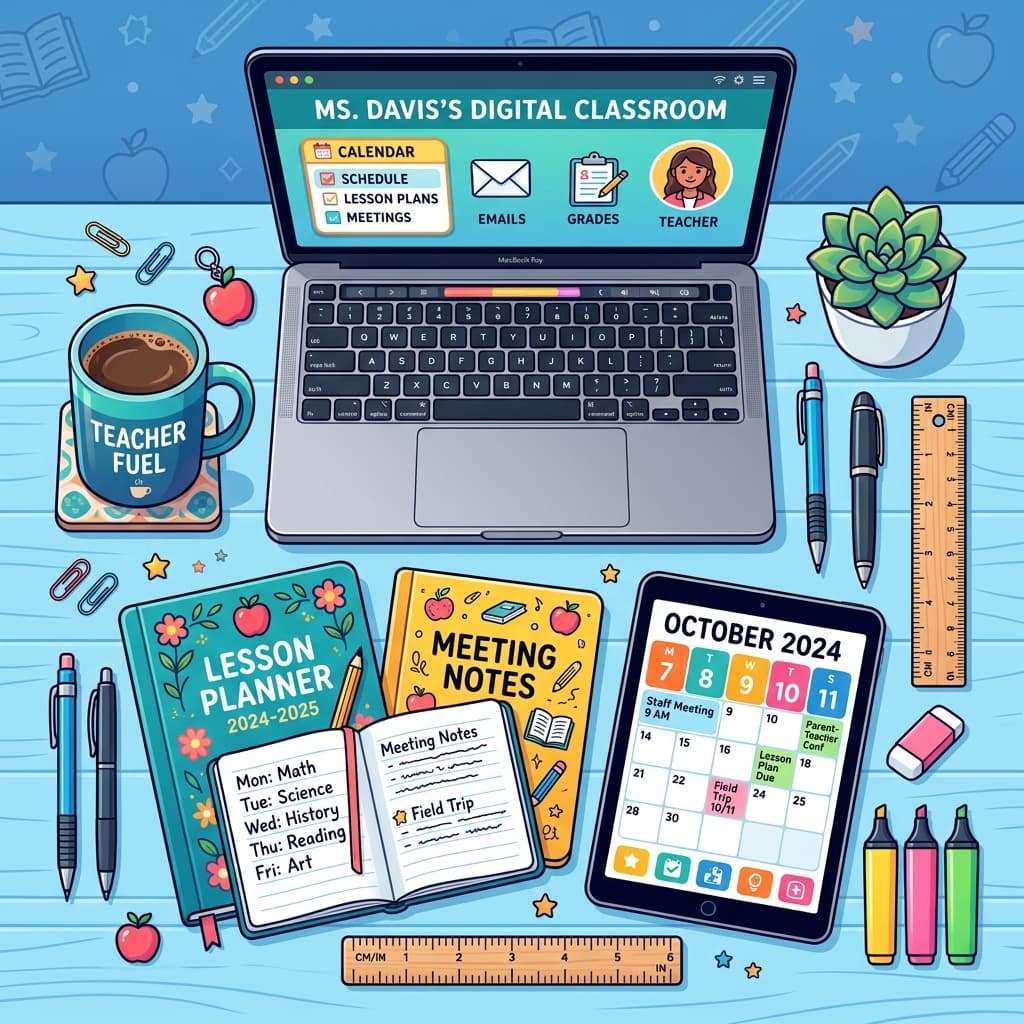
The Assessment Crisis in South African Schools
If you are a teacher in South Africa, you know the "Assessment Season" dread all too well. Whether you are navigating the Foundation Phase or preparing Grade 12s for their NSC examinations, the pressure to produce high-quality, CAPS-aligned assessments is immense. The Department of Basic Education (DBE) sets rigorous standards, and between managing Annual Teaching Plans (ATPs), School-Based Assessment (SBA) requirements, and classroom management, the actual creation of these assessments often happens late at night or during precious weekend time.
The challenge isn't just about speed; it's about quality. A poorly designed assessment fails to accurately measure student understanding and can lead to frustration for both the educator and the learner. However, the traditional manual method of drafting questions, aligning them to cognitive levels (Bloom’s Taxonomy), and creating comprehensive marking rubrics is unsustainable in our modern, fast-paced educational environment.
In this guide, we will explore how you can revolutionise your assessment workflow. By integrating pedagogical best practices with the power of AI tools from SA Teachers, you can create assessments that are more accurate, more engaging, and—most importantly—ready in a fraction of the time.
1. Start with the End in Mind: CAPS Alignment and ATPs
Every high-quality assessment starts with the Annual Teaching Plan (ATP). In the South African context, skipping this step leads to assessments that test content not yet covered or, conversely, miss critical outcomes required for the term.
The Problem of Misalignment
Teachers often grab old past papers or generic worksheets from the internet. While these are useful resources, they frequently require heavy editing to align with the specific week’s work as outlined in the CAPS document. This manual "hacking together" of resources often leads to formatting errors and cognitive level imbalances.
The Solution: CAPS-Aligned Lesson Planner
Before you even think about the test, your lesson planning must be robust. The CAPS-Aligned Lesson Planner on sateachers.co.za ensures that your daily activities are perfectly synced with the national curriculum.
By using this tool, you generate a clear roadmap of what needs to be assessed. When the planner identifies a specific outcome (e.g., "Analyse the causes of the Great Depression" in Grade 9 History), you have a direct prompt for your assessment creation. This synergy ensures that you are never "teaching for the test" in a negative way, but rather "assessing for the learning" that has actually occurred.
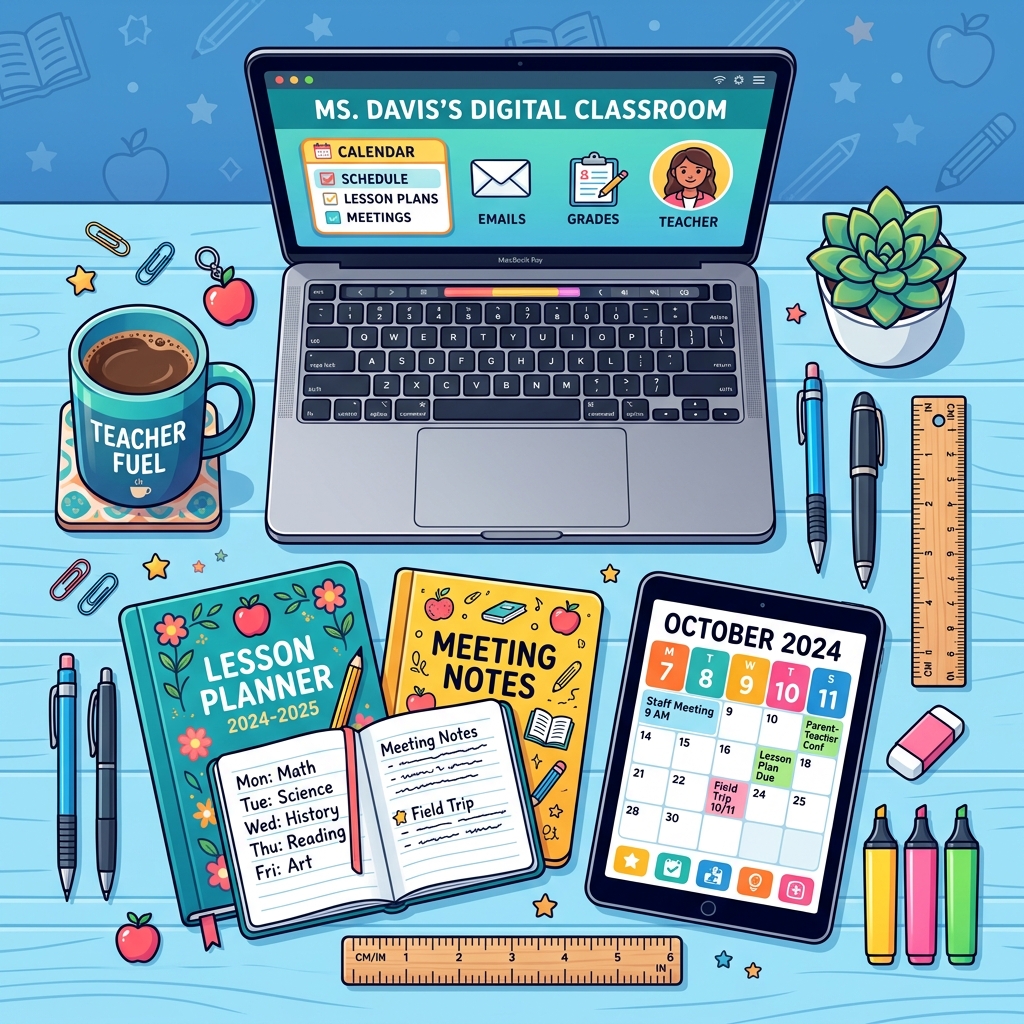
2. Speeding Up Question Generation: Moving Beyond "Copy and Paste"
The most time-consuming part of assessment creation is drafting original questions that cater to different cognitive levels. CAPS requires a specific distribution: knowledge/recall, comprehension, application, and higher-order thinking (analysis, evaluation, and synthesis).
Leveraging Worksheet & Exam Generators
Manually trying to balance these levels while ensuring the language is accessible for Second Language learners is a Herculean task. This is where the Worksheet & Exam Generators from SA Teachers become a game-changer.
Instead of staring at a blank Word document, you can input your specific topic and grade level. The AI then generates a variety of question types:
- Multiple Choice: Perfect for quick diagnostic assessments.
- Source-Based Questions: Essential for subjects like History, Geography, and Business Studies.
- Paragraph and Essay Prompts: Targeted at the FET phase where critical thinking is paramount.
Real Classroom Scenario:
Imagine you are a Grade 10 Life Sciences teacher. You’ve just finished the section on "Cells: The Basic Units of Life." Using the Exam Generator, you can request 10 marks of diagrams, 15 marks of data interpretation, and a 5-mark mini-essay on the importance of mitosis. The tool provides the questions and the marking guideline (memo) simultaneously, ensuring internal consistency.
3. Scaffolding Success: Pre-Assessment Support
Better assessments aren't just about the test itself; they are about preparing students to succeed in them. In many South African classrooms, the gap between what is taught and the level of the final exam is too wide.
The Role of the Study Guide Creator
To bridge this gap, teachers can use the Study Guide Creator. This tool allows you to turn your lesson notes into condensed, student-friendly revision booklets. When students have a clear, structured guide that mirrors the structure of the upcoming assessment, their anxiety decreases and their performance improves.
AI Tutor: 24/7 Support for Learners
Furthermore, the AI Tutor tool on SA Teachers provides a safety net. You can direct your students to this tool to clarify concepts they might be too shy to ask about in class. If a student struggles with a specific concept in their homework—say, balancing chemical equations—the AI Tutor guides them through the process. This means that by the time they sit for your formal assessment, they have already mastered the foundational skills.

4. The Rubric Revolution: Faster Grading and Better Feedback
We have all been there: a stack of 150 English Home Language essays or Life Orientation projects sitting on the desk, waiting to be marked. The marking load is often the primary reason teachers avoid giving frequent, meaningful assessments.
Rubric Creator: Consistency is Key
Subject Advisors and SMTs (School Management Teams) place a high value on moderated rubrics. A rubric must be fair, transparent, and aligned with CAPS levels. Creating these from scratch is tedious.
AI Education Tutor
Personalized AI coaching for your specific teaching needs.
The Essay Grader & Rubric Creator allows you to generate professional rubrics in seconds. Whether you need a 4-point scale for Foundation Phase or a sophisticated 50-mark analytical rubric for Grade 12, the tool ensures that your criteria (e.g., Content, Language, Structure, Critical Reflection) are clearly defined.
Essay Grader: The Assistant You Always Wanted
The Essay Grader doesn't just "give a mark." It provides constructive, formative feedback. By uploading or inputting student work, you can get a "first pass" analysis that highlights grammatical errors, identifies where the student strayed from the topic, and suggests a preliminary mark based on your rubric.
Note: This tool is designed to assist, not replace, the teacher's professional judgement. It allows you to spend less time on the mechanical aspects of marking and more time on high-level feedback and intervention.
5. Differentiating for Diverse Classrooms
South African classrooms are incredibly diverse. Within one Grade 4 class, you might have learners performing at a Grade 2 level and others ready for Grade 6 material. Standard "one-size-fits-all" assessments often fail these students.
Practical Differentiation Strategies
- Tiered Questioning: Use the Worksheet Generator to create two versions of the same assessment—one with more scaffolding for struggling learners and one with more open-ended questions for enrichment.
- Language Support: For learners where English is an Additional Language (EAL), the AI tools can help simplify the phrasing of complex questions without lowering the cognitive demand of the task.
- Visual Aids: High-quality diagrams are essential for subjects like EMS or Natural Sciences. The tools on SA Teachers help you integrate these seamlessly, ensuring that visual learners are not disadvantaged.
6. Closing the Loop: Data-Driven Reporting
Once the assessment is marked, the job isn't done. The Department requires detailed reporting, and parents want to know exactly how their child can improve.
Turning a 55% mark into a professional, helpful report comment is an art form. The Report Comments Generator on sateachers.co.za takes the data from your assessments and helps you craft nuanced feedback.
Instead of generic comments like "Satisfactory progress," the tool helps you generate comments like: "Thabo shows a strong understanding of algebraic fractions but needs to focus on consistent application of signs during simplification. Regular practice with the AI Tutor is recommended for the next term."
This level of detail impresses SMTs and provides parents with actionable steps, making your post-assessment process as efficient as your creation process.
7. Best Practices for Faster Assessment Creation (The 5-Step Workflow)
To truly maximise your time, follow this streamlined workflow using the SA Teachers suite:
- Identify the Target: Check your CAPS-Aligned Lesson Planner to see exactly which outcomes must be assessed this week/month.
- Generate the Core: Use the Worksheet & Exam Generator to create a bank of questions. Pick the best ones to form your test.
- Create the Key: Let the tool generate the marking memo simultaneously to ensure there are no "trick" questions without clear answers.
- Prepare the Students: Use the Study Guide Creator to give them the tools to succeed based on the test you just built.
- Set the Standard: Generate a clear rubric using the Rubric Creator so students know exactly how they will be evaluated.
8. Overcoming Common Challenges in SA Assessment
The "Paperless" vs. Paper Struggle
While we are moving toward digital tools, many schools still rely on physical paper. The beauty of the SA Teachers platform is that everything is designed to be easily printable and formatted for South African school standards (A4, clear headings, etc.). You get the speed of AI with the practicality of a physical worksheet.
Maintaining Academic Integrity
Teachers often worry that AI-generated questions might be "too easy" to find online. However, because the Worksheet Generator creates unique iterations based on your specific prompts, the questions are fresh and original, making it much harder for students to find answers in old memo banks.
Meeting SMT Requirements
When your Head of Department (HOD) asks for your "Assessment File," you can present a professionally formatted test, a matching memo, and a CAPS-aligned rubric. The level of professionalism provided by these tools often leads to smoother moderation processes and fewer "queries" from school leadership.
Conclusion: Reclaiming Your Time
Assessment is the heartbeat of the classroom, but it shouldn't be the cause of teacher burnout. By embracing AI-powered tools specifically designed for the South African context, we can return to what we love most: teaching.
The tools at sateachers.co.za are not about replacing the expertise of a teacher. On the contrary, they are about empowering the expert. They handle the formatting, the initial drafting, and the alignment checks, allowing you to focus on the human element—interpreting the results and supporting your learners.
Stop spending your Sundays wrestling with Word documents and manual rubrics. Start creating better classroom assessments faster. Join the thousands of South African educators who are already using SA Teachers to transform their classrooms.
Are you ready to streamline your assessment process?
Sign up for SA Teachers today and explore our full suite of AI tools designed for the modern South African educator. From the CAPS-Aligned Lesson Planner to the Exam Generator, we have everything you need to succeed.
SA
Dedicated to empowering South African teachers through modern AI strategies, research-backed pedagogy, and policy insights.