The Reality of the Modern South African Classroom
Every South African educator, whether teaching in a well-resourced urban school or a crowded rural classroom, knows the feeling of a lesson being derailed. You have meticulously planned your CAPS-aligned content, your ATPs (Annual Teaching Plans) are staring you in the face with tight deadlines, and yet, one or two learners are making it impossible to proceed.
Behavioural challenges are not just "naughty children." In our unique South African context, these challenges are often symptoms of deeper issues: socio-economic stress, undiagnosed learning barriers, overcrowded classrooms, or the lingering psychological effects of the pandemic. As teachers, we are expected to be subject experts, social workers, and disciplinarians all at once.
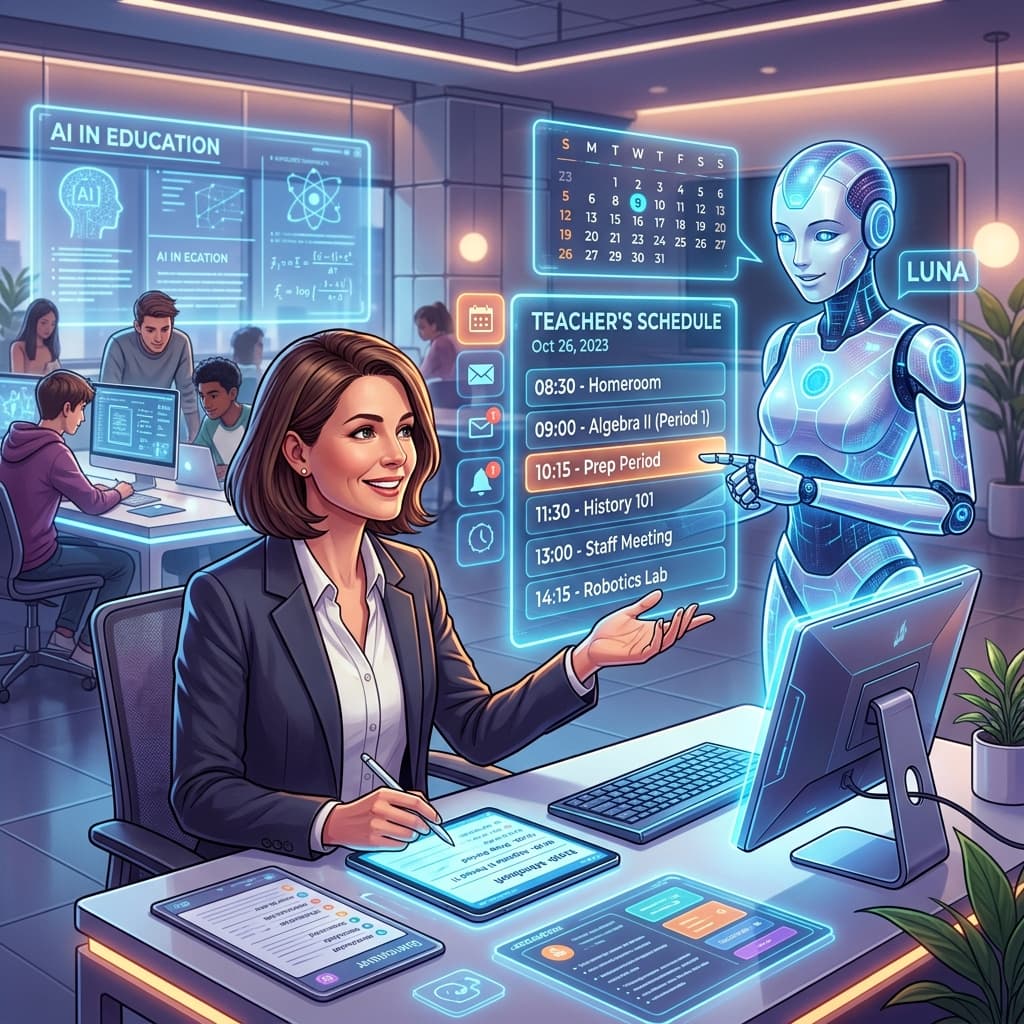
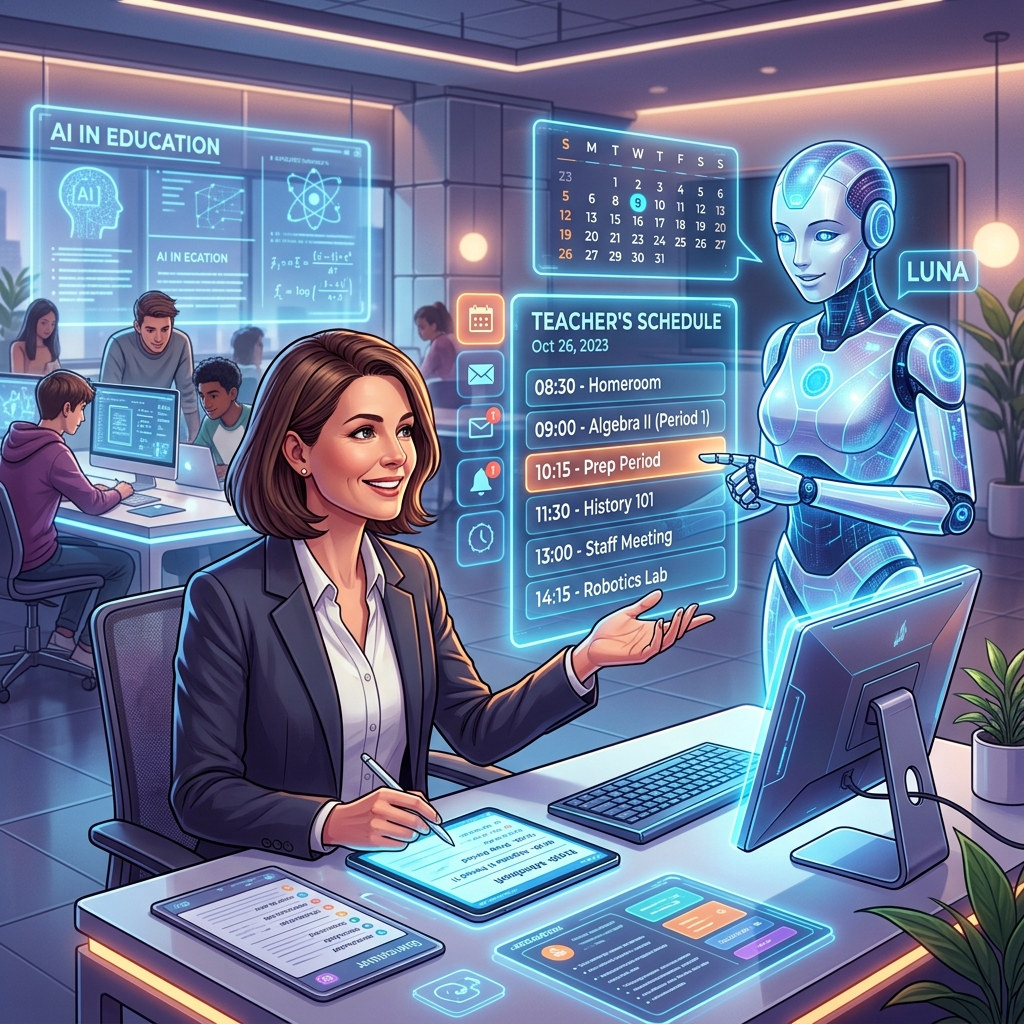
However, handling behavioural challenges effectively isn't about "fixing" the child through punishment. It is about creating a structured environment where the learner feels seen, supported, and engaged. This guide explores how to manage these challenges while leveraging the power of AI tools from SA Teachers to reduce your administrative burden and focus on what matters most: the learners.
Understanding the Root Causes of Disruptive Behaviour
Before we can address the behaviour, we must understand why it is happening. In the Department of Basic Education (DBE) framework, we are encouraged to look at the "Screening, Identification, Assessment, and Support" (SIAS) policy. Behavioural issues usually fall into three categories:
- Academic Frustration: A learner who cannot read at grade level or find the CAPS content too difficult will often act out to mask their perceived "failure."
- Attention-Seeking: For some learners, negative attention is better than no attention at all, especially if they come from homes where they are overlooked.
- Power Struggles: Older learners in the FET phase may challenge authority as a way to assert independence or mask insecurities.
By identifying the trigger, you can tailor your response. This is where differentiation becomes vital. If a learner is acting out because they are overwhelmed, providing them with a simplified resource, such as one created via the SA Teachers Study Guide Creator, can immediately lower their anxiety levels.

Proactive Strategies for Classroom Management
The best way to handle behavioural challenges is to prevent them before they start. A chaotic environment invites chaotic behaviour.
1. Establish Predictable Routines
Learners with behavioural issues often thrive on routine because it provides a sense of safety. Ensure your lesson transitions are smooth. If you are struggling to keep the pace of your lessons consistent with the ATPs, use the CAPS-Aligned Lesson Planner. It helps you structure your 60-minute periods down to the minute, ensuring there is no "dead time" where learners can become restless.
2. The "Praise to Correction" Ratio
Aim for a 4:1 ratio. For every one time you correct a learner's behaviour, try to find four instances where you can praise them—even for small things like taking out their workbook or sitting quietly. This shifts the classroom dynamic from one of policing to one of coaching.
3. Clear, Visual Expectations
Don't just tell learners the rules; show them. Use visual cues on the board. When you use the SA Teachers Worksheet & Exam Generator, you can include clear instructions and rubrics at the top of every page. When learners know exactly what is expected of them and how they will be assessed, their "test anxiety" (a major trigger for bad behaviour) decreases significantly.
De-escalation Techniques: Handling the Heat of the Moment
When a learner becomes defiant or aggressive, your reaction determines whether the situation resolves or explodes.
Scenario: The Defiant Refusal
Learner: "I’m not doing this stupid work. You can’t make me."
The Wrong Approach: Getting into a power struggle. "You will do it because I said so, or you’re going to the HOD's office!"
The Right Approach: Use the "Two Choices" method. "I can see you're frustrated, Sipho. You can either complete the first three questions now and take a five-minute break, or you can finish the whole sheet and I’ll give you a positive merit. Which works better for you?"
Managing the "Class Clown"
Class clowns usually seek peer validation. Instead of scolding them in front of the class (which gives them the audience they want), give them a "job." Ask them to hand out the results generated by your Essay Grader & Rubric Creator. By giving them a position of responsibility, you redirect their energy into something productive.
The Role of Differentiated Instruction in Behaviour Management
A significant portion of behavioural issues in South African schools stems from the "one-size-fits-all" approach to teaching. In a class of 40+ learners, some will find the work too easy (leading to boredom-induced disruption) while others find it too hard (leading to frustration-induced disruption).
Using AI to Close the Gap
This is where SA Teachers tools become your secret weapon.
AI Education Tutor
Personalized AI coaching for your specific teaching needs.
- Worksheet Generator: You can quickly generate three versions of the same topic. A "Support" version for those struggling, a "Core" version for the majority, and an "Extension" version for the fast finishers.
- AI Tutor: For learners who are constantly asking for help and getting frustrated when you are busy with others, introduce them to the AI Tutor. It can explain complex CAPS concepts in simpler terms, allowing the learner to work independently without disrupting the class.
Reducing Teacher Burnout: Why Your Well-being Matters
It is impossible to remain calm and empathetic when you are exhausted and overwhelmed by admin. The School Management Team (SMT) and the DBE demand rigorous record-keeping, from marks to incident reports.
If you are spending six hours every weekend marking essays or writing report comments, your patience in the classroom will be thin. Use the Essay Grader & Rubric Creator to slash your marking time. It provides consistent, objective feedback based on the rubrics you set, ensuring that learners feel they are being treated fairly—a common grievance that leads to defiance.
When it comes to the end of the term, don't let the stress of report cards affect your teaching. The Report Comments Generator on sateachers.co.za allows you to create professional, constructive comments that address both academic performance and behaviour. Instead of writing "Sipho is disruptive," the tool helps you phrase it professionally: "Sipho is developing his self-regulation skills and benefits from structured classroom routines."
Working with Stakeholders: Parents and the SMT
Handling behavioural challenges is a team sport. You cannot do it alone.
Communicating with Parents
In South Africa, involving parents is crucial, but it can be difficult if the parent only hears from you when there is a problem. Use the notes and summaries generated by the AI Tutor or Study Guide Creator to show parents what their child is capable of. When a parent sees that you are providing extra resources to support their child, they are more likely to support your disciplinary measures.
Documentation for the SMT
If a learner’s behaviour requires intervention from the HOD or Principal, you need a "paper trail." Ensure your lesson plans are up to date and that you have evidence of the interventions you've tried. Having a digital record of the differentiated worksheets and personalized study guides you've provided (all stored in your SA Teachers profile) proves that you have followed the SIAS process before escalating the matter.
Deep Dive: Strategies for Specific Phases
Foundation Phase (Grade R-3)
At this age, behaviour is often a lack of emotional regulation. Use "Brain Breaks" and physical movement. When they are at their desks, keep tasks short. The Worksheet Generator is excellent here for creating visually engaging, bite-sized tasks that prevent cognitive overload.
Peer pressure starts to peak here. Behavioural challenges often revolve around social standing. Use group work but structure it strictly using the Rubric Creator so every learner knows their specific role and accountability.
FET Phase (Grade 10-12)
The pressure of the National Senior Certificate (NSC) creates immense stress. Learners may check out if they feel they have no hope of passing. Use the Study Guide Creator to turn daunting textbooks into manageable "cheat sheets" and summaries. When they see a path to success, their behaviour often improves because they feel empowered rather than defeated.
Practical Steps to Take Tomorrow Morning
- Audit Your Planning: Use the CAPS-Aligned Lesson Planner tonight to ensure your first 15 minutes tomorrow are high-energy and tightly structured.
- Identify Your "Target" Learner: Pick the one learner who challenged you most today. Tomorrow, use the Worksheet Generator to create a task specifically at their level. Give it to them with a smile and say, "I made this specifically to help you with [Topic]." Watch how their attitude shifts when they feel "seen."
- Lower the Temperature: If things get heated, don't raise your voice. Lower it. Use a calm, "boring" tone. The less emotion you show, the less fuel you give to the disruption.
- Offload the Admin: Stop taking marking home. Use the Essay Grader for your next creative writing or social sciences assignment. Use that extra time to rest so you can return to the classroom with a full "patience tank."
Conclusion: You Are Not Alone
Managing behavioural challenges is one of the most taxing parts of being a South African educator. It requires the patience of a saint and the tactical mind of a general. But you don't have to do it manually anymore.
By integrating AI-powered tools from SA Teachers, you can automate the time-consuming parts of your job—planning, grading, and resource creation. This doesn't just make you more efficient; it makes you a better teacher. It gives you the mental space to listen to the learner who is acting out because they are hungry, or to mentor the child who thinks they are "stupid" because they can't keep up with the ATP.
Education is about human connection. Let the AI handle the paperwork, while you handle the heart of the classroom.
Ready to reclaim your time and transform your classroom management? Explore our CAPS-aligned AI tools today and join thousands of South African educators who are teaching smarter, not harder.
SA
Dedicated to empowering South African teachers through modern AI strategies, research-backed pedagogy, and policy insights.