Understanding the Landscape of Anxiety in South African Classrooms
In the contemporary South African educational landscape, anxiety and stress are no longer peripheral issues; they are central challenges that educators face daily. From the Foundation Phase, where learners may experience separation anxiety and the pressure of foundational literacy, to the FET (Further Education and Training) Phase, where the weight of the National Senior Certificate (NSC) and the rigorous Annual Teaching Plans (ATPs) can feel insurmountable, the mental health of our learners is under significant strain.
As South African educators, we are tasked with a dual responsibility: delivering a robust curriculum under the CAPS (Curriculum and Assessment Policy Statement) framework and ensuring the emotional safety of our learners. Anxiety in the classroom often manifests as procrastination, disruptive behaviour, frequent absenteeism, or a complete "shut down" during assessments. When a learner is in a state of high stress, their "affective filter" is raised, preventing new information from being processed. Essentially, a stressed brain cannot learn.
This guide provides a comprehensive roadmap for supporting learners, integrating traditional pedagogical wisdom with the innovative AI tools available on SA Teachers to reduce the administrative burden on teachers while directly addressing learner anxiety.
Identifying the Signs of Anxiety Across Different Phases
Before we can support learners, we must be able to identify the subtle and overt signs of stress. These often vary depending on the developmental stage of the learner.
Foundation Phase (Grades R-3)
At this stage, anxiety often manifests physically. You might notice:
- Frequent complaints of stomach aches or headaches before a phonics test or "Show and Tell."
- Regressive behaviour, such as clinging to parents or thumb-sucking.
- Extreme perfectionism or crying when a mistake is made in a workbook.
As the workload increases and departmental requirements become more stringent, signs include:
- Social withdrawal or difficulty working in groups.
- Avoidance of specific subjects, often Mathematics or First Additional Languages.
- "Blanking" during formal School-Based Assessments (SBAs).
FET Phase (Grades 10-12)
The stakes are highest here. Stress signs often include:
- Chronic fatigue and sleep deprivation due to late-night cramming.
- High levels of irritability or emotional outbursts.
- A sense of hopelessness regarding future career prospects or university entrance.
Strategy 1: Creating Predictability Through Structured Lesson Planning
One of the greatest triggers for anxiety is uncertainty. When learners do not know what to expect, their stress levels rise. A well-structured, predictable classroom environment acts as an anchor for anxious minds.
How to Implement This:
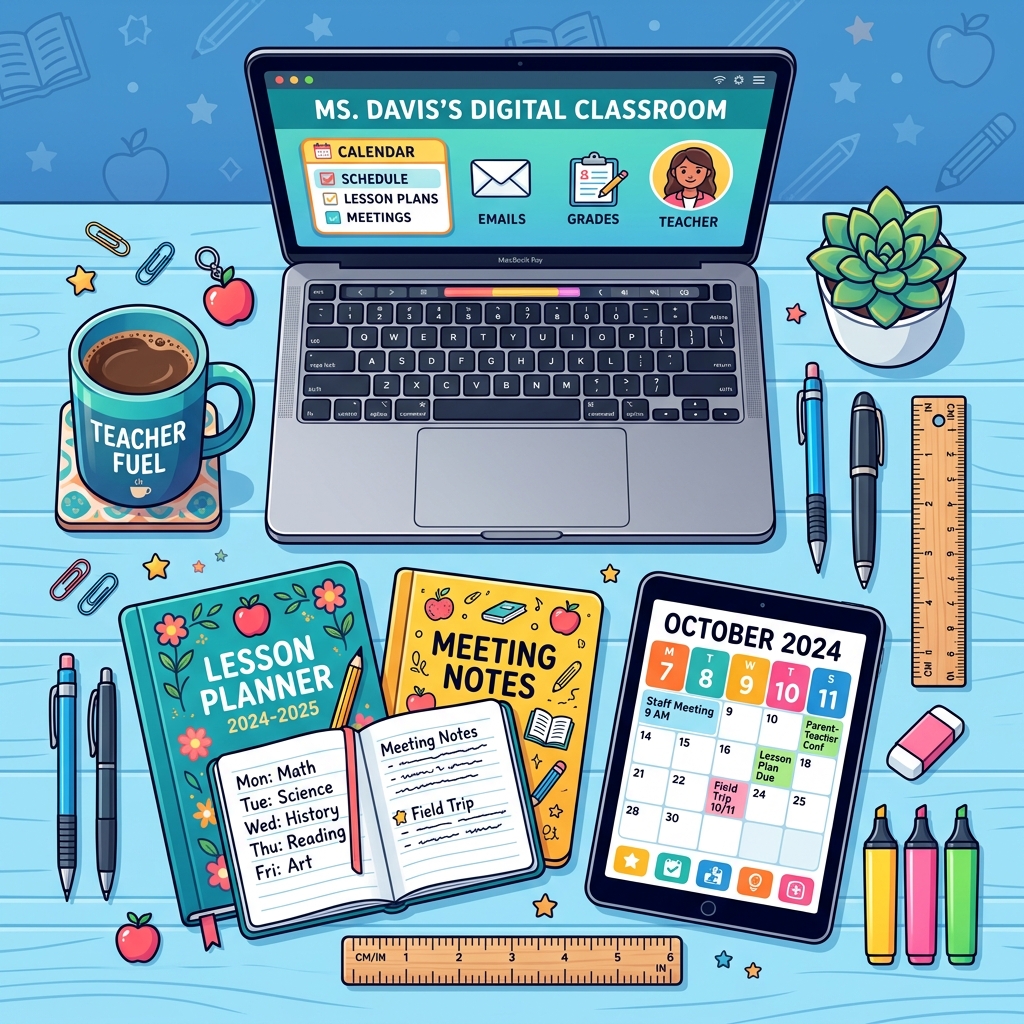
Use the CAPS-Aligned Lesson Planner on SA Teachers to ensure your lessons are structured, logical, and transparent. When you have a clear plan, you can share the "Learning Intentions" and "Success Criteria" with your learners at the start of every period.
How it helps:
By using the Lesson Planner, you can ensure that you are sticking to the ATPs without rushing. When learners see a teacher who is organised and calm, it filters down to them. The tool allows you to build in "breather" moments and formative check-ins, ensuring no learner is left behind in the rush to complete the syllabus.
Strategy 2: Reducing Assessment Anxiety with Scaffolding
Assessments are the primary source of stress for most South African learners. The fear of failure is amplified by the high-stakes nature of our grading system. To combat this, we must move away from "surprise" testing and toward "scaffolded" mastery.
Practical Steps:
- Low-Stakes Practice: Use the Worksheet & Exam Generator to create frequent, low-stakes practice opportunities. If a learner has seen the format of a Geography Data Handling task ten times in a low-pressure environment, the actual SBA will feel much less intimidating.
- Customisation: Anxiety often stems from a learner feeling the work is too difficult for their current level. Use the generator to create tiered worksheets—providing a "Foundational," "Standard," and "Extension" version of the same topic. This ensures every learner experiences success, which is the ultimate antidote to anxiety.
Large textbooks and thick files of notes can be overwhelming. For an anxious learner, looking at a 300-page Life Sciences textbook can trigger a "freeze" response. They simply don't know where to start.
Building Self-Efficacy:
Self-efficacy—the belief in one’s ability to succeed—is a major factor in reducing stress. You can foster this by providing learners with manageable chunks of information.
- The Study Guide Creator: Use this tool on SA Teachers to transform complex CAPS chapters into streamlined, digestible study guides. These guides can focus on the "Must-Know" terminology and core concepts, providing a clear roadmap for revision.
- The AI Tutor: Recommend the AI Tutor to your learners for home use. Many anxious learners are too intimidated to ask questions in class for fear of sounding "stupid" in front of their peers. The AI Tutor provides a safe, non-judgmental space where they can ask for explanations as many times as they need. It acts as a 24/7 support system, reducing the "homework anxiety" that often plagues Sunday evenings.

Strategy 4: Transparent Grading and Constructive Feedback
The "red pen" can be a source of trauma for many learners. When an essay is returned covered in red marks with only a final percentage at the bottom, the learner often feels defeated rather than informed.
AI Education Tutor
Personalized AI coaching for your specific teaching needs.
Reframing Feedback:
To support anxious learners, feedback must be specific, actionable, and growth-oriented.
- Essay Grader & Rubric Creator: This tool is a game-changer for South African languages and Humanities teachers. Instead of vague comments, the tool helps you generate detailed rubrics that align with DBE standards.
- How it solves the problem: When a learner understands exactly where they lost marks (e.g., "Structure" vs. "Language Conventions") and receives constructive AI-generated feedback on how to improve, the assessment becomes a learning tool rather than a judgment. This transparency reduces the "fear of the unknown" that accompanies essay writing.
Strategy 5: Improving Communication with Parents and Guardians
Anxiety doesn't stop at the school gate. Often, the pressure learners feel is a reflection of expectations at home. Clear, professional, and empathetic communication between teachers and parents is vital.
Practical Implementation:
During report season, the pressure on teachers to provide meaningful comments for 200+ learners can lead to generic feedback. However, for a struggling, anxious learner, a generic "Needs to work harder" can be devastating.
- Report Comments Generator: Use this tool to craft personalised, professional comments that highlight a learner's strengths while gently addressing areas for growth. It allows you to use professional South African terminology that communicates concern and support, rather than just criticism. By effectively communicating a learner's needs to their parents, you ensure that the support system at home is aligned with your efforts in the classroom.
The Role of the Physical and Emotional Environment
Beyond digital tools, the physical atmosphere of your classroom plays a significant role in managing stress.
- The "Calm Down" Corner: Even in high schools, having a designated area with sensory tools or simply a place to sit quietly for five minutes can prevent a full-blown panic attack.
- Mindfulness Transitions: Spend the first three minutes of your period on a "brain break" or a deep-breathing exercise. This is particularly effective after a hectic break time or a stressful previous lesson.
- Positive Affirmations: In a South African context, where many learners face harsh external realities, your classroom might be the only place they hear they are capable and valued. Displaying encouraging posters and using positive reinforcement can significantly lower the collective cortisol levels in the room.
Dealing with "Exam Fever": A Targeted Approach
In South Africa, the term "Exam Fever" is often used lightly, but for many, it is a debilitating condition. As exams approach, the ATPs often require a frantic rush to finish the syllabus, which only adds to the tension.
Using AI to Mitigate Exam Stress:
The Worksheet & Exam Generator on SA Teachers can be used to create "Exam Simulations." By simulating the exam environment—complete with the correct marking rubrics—multiple times before the actual date, you desensitise the learners to the "test" triggers.
Additionally, use the Study Guide Creator to produce a "Final Countdown" revision pack. Breaking down the massive volume of work into "Day 1: Focus on Paper 1, Section A" makes the task seem achievable.
Supporting the Teacher: Avoiding Compassion Fatigue
You cannot pour from an empty cup. South African teachers are under immense pressure, and "compassion fatigue" is a real risk when you are supporting high-needs, anxious learners.
This is where the SA Teachers suite truly shines. By automating the time-consuming tasks—like generating rubrics, planning lessons, and drafting report comments—you free up your cognitive "bandwidth." This allows you to be more present for your learners. When you aren't drowning in paperwork, you have the patience and energy to notice the quiet child in the back row who is struggling to breathe, or the top achiever who is starting to crumble under the weight of expectations.
Collaborative Support: SMTs and SBSTs
In the South African system, we have the School Based Support Teams (SBST). If a learner's anxiety is persistent and interfering with their daily functioning, it is essential to follow the formal referral process.
- Documentation: Use the notes generated from your Essay Grader and Report Comments to provide a paper trail of the learner’s struggles and the interventions you have already tried.
- SMT Involvement: Share your strategies with your School Management Team. Encourage the adoption of AI tools school-wide to create a consistent, low-stress environment across all subjects.
- Parent Meetings: Use the data and structured plans from your Lesson Planner to show parents exactly what is being covered and how they can support their child at home.
Conclusion: A Future-Forward Approach to Wellbeing
Supporting learners with anxiety and stress in the South African context requires a blend of empathy, pedagogical expertise, and the right tools. We must move away from the "one-size-fits-all" approach and embrace differentiation and personalised support.
By integrating the AI-powered tools from SA Teachers, you are not just "using tech"; you are creating a safety net for your learners. You are giving them the tools to master the CAPS curriculum with confidence, providing them with a 24/7 AI Tutor to catch them when they fall, and ensuring that your own mental health is protected through efficient administrative management.
Anxiety may be a growing shadow in our classrooms, but with a structured approach and the right digital partners, we can ensure that every South African learner has the opportunity to shine, regardless of the stress they carry.
Are you ready to transform your classroom into a low-stress, high-achievement zone?
Explore the full suite of AI tools at sateachers.co.za today and start reclaiming your time while providing the best possible support for your learners. From CAPS-aligned planning to instant rubric creation, we are here to help South African educators lead the way into the future of education.
SA
Dedicated to empowering South African teachers through modern AI strategies, research-backed pedagogy, and policy insights.