The Transformative Power of Play: Why Educational Games Matter
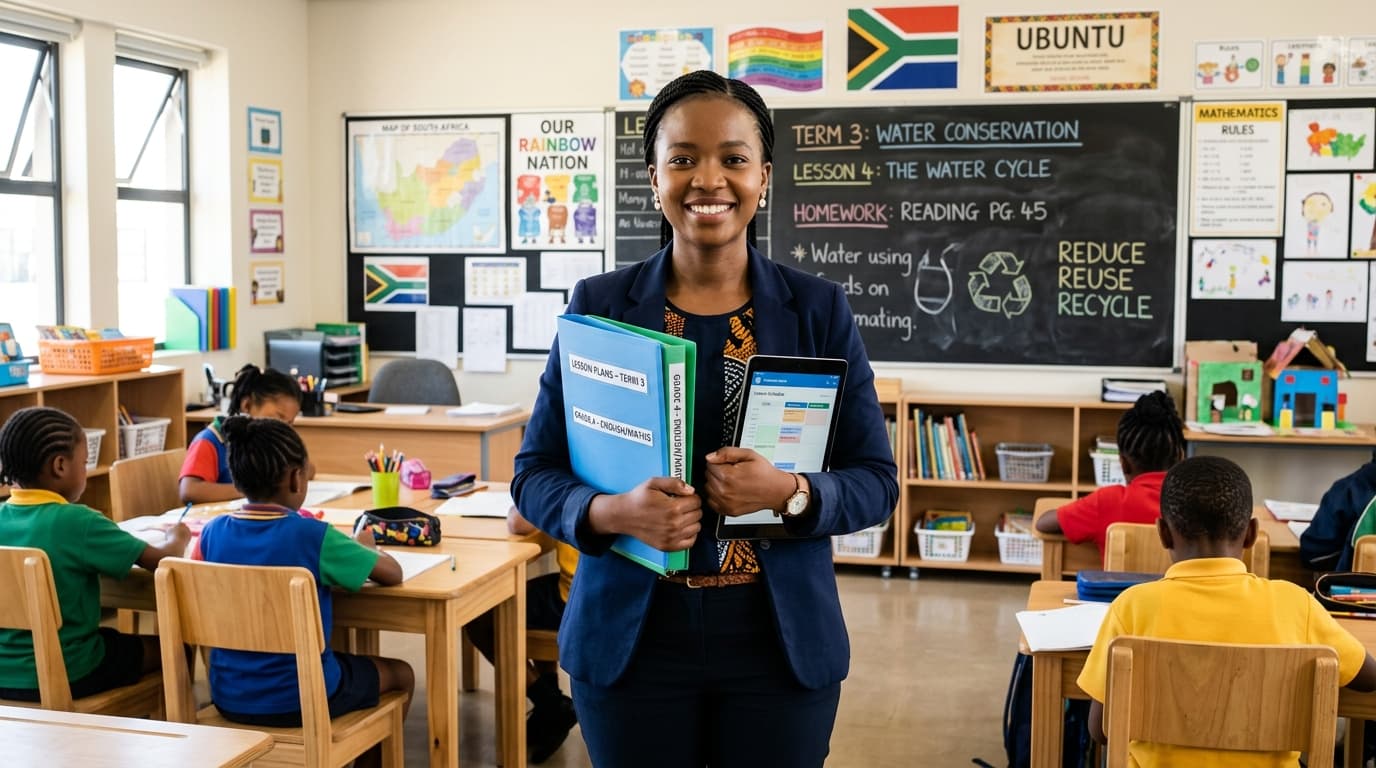
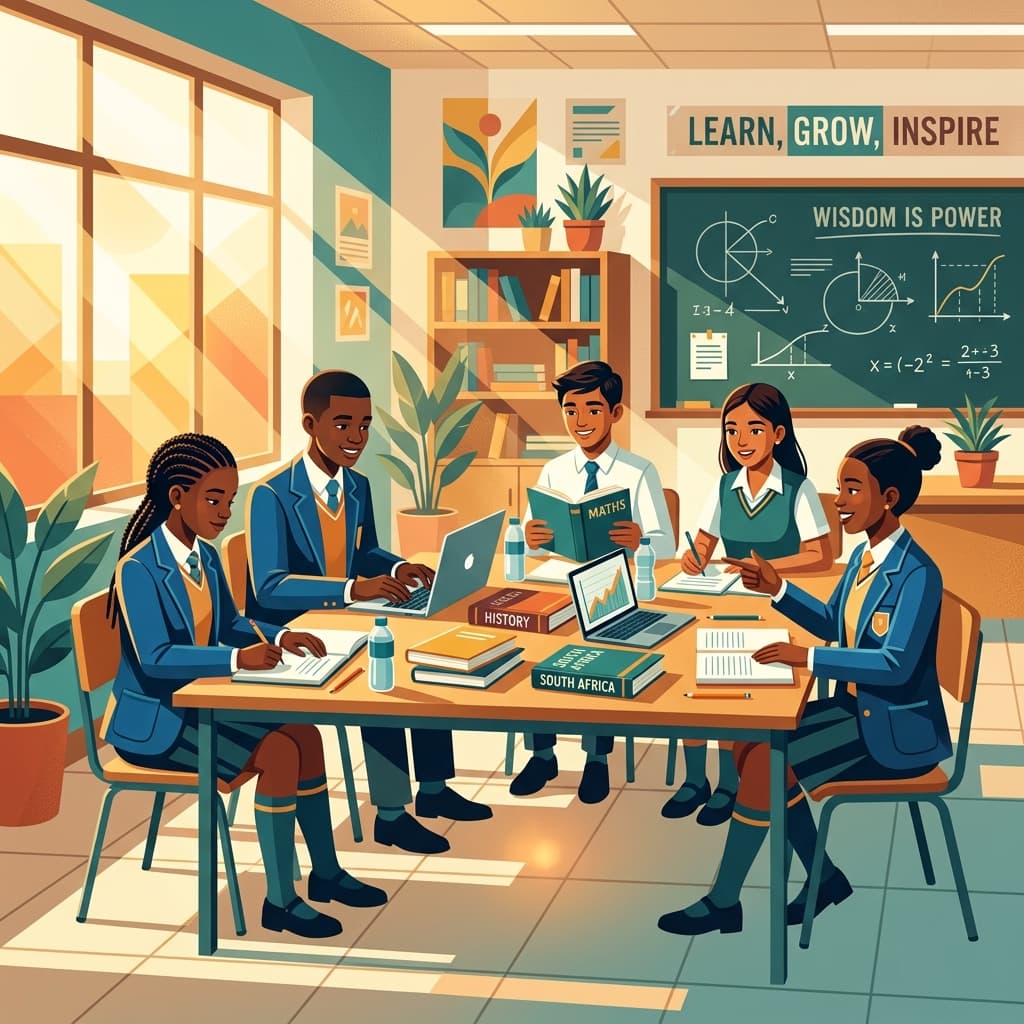
As South African teachers, we navigate dynamic classrooms, diverse learning styles, and a curriculum that demands both depth and engagement. We constantly seek innovative strategies to not only impart knowledge but also to ignite a genuine love for learning. Educational games, when thoughtfully integrated, offer a potent solution, transforming passive reception into active, joyful discovery. Far from being mere 'playtime,' these structured activities are powerful pedagogical tools that can significantly enhance learning outcomes across all phases and subjects within the CAPS curriculum.
Boosting Engagement and Motivation
One of the most immediate and observable benefits of using educational games is the dramatic increase in student engagement. Children and adolescents are naturally drawn to play, challenge, and interaction. When learning is framed within a game, it taps into their intrinsic motivation, making complex concepts more approachable and less intimidating. The competitive or cooperative elements often inherent in games provide a compelling reason for students to participate actively, persist through challenges, and strive for mastery. This enjoyment translates directly into improved focus and a reduced incidence of disruptive behaviour, creating a more positive and productive learning environment.
Fostering Critical Thinking and Problem-Solving
Educational games are masterclasses in critical thinking and problem-solving. Unlike traditional rote learning, many games require students to strategize, make decisions, evaluate outcomes, and adapt their approaches. Whether it's a mathematics puzzle, a science simulation, or a historical role-play, students are constantly presented with scenarios that demand analytical thought. They learn through trial and error, developing resilience and an understanding that mistakes are opportunities for growth – a crucial life skill. This process moves students beyond simply recalling facts to applying knowledge in novel and meaningful ways, a core aim of the CAPS curriculum.
Enhancing Retention and Skill Mastery
The active nature of game-based learning significantly improves information retention. When students are actively manipulating concepts, discussing strategies, or physically demonstrating understanding, the learning is embedded more deeply. Repetitive practice, often necessary for skill mastery in subjects like languages or mathematics, becomes enjoyable rather than tedious when presented in a game format. The instant feedback common in many games allows students to correct misunderstandings immediately, reinforcing correct concepts and leading to more robust skill development and lasting knowledge.
Developing Essential 21st-Century Skills
Beyond subject-specific content, educational games are fertile ground for cultivating crucial 21st-century skills.
- Collaboration and Communication: Many games, particularly group activities, necessitate teamwork, negotiation, and clear communication as students work together to achieve a common goal.
- Digital Literacy: Digital games introduce students to various technologies, enhancing their digital literacy and adaptability in an increasingly digital world.
- Creativity and Innovation: Designing game elements, adapting rules, or finding unconventional solutions within a game context can spark creativity.
- Resilience and Adaptability: Encountering setbacks in a game and learning to adjust strategies builds resilience, a vital attribute for future success.
Supporting Differentiated Learning
Our South African classrooms are wonderfully diverse, with students exhibiting a wide range of learning paces and styles. Educational games offer powerful tools for differentiation.
- Pace: Slower learners can take their time, while faster learners can be challenged with advanced levels or additional tasks.
- Learning Styles: Games cater to visual, auditory, and kinesthetic learners simultaneously through varied modes of engagement.
- Scaffolding: Games can be designed with varying levels of support, allowing teachers to scaffold learning effectively.
- Mastery: Students can work towards mastery at their own speed, revisiting concepts through play until they are confident.
Aligning Game-Based Learning with the CAPS Curriculum
The CAPS curriculum emphasises active learning, critical thinking, problem-solving, and the development of 21st-century skills. Educational games are not an add-on; they are a direct pathway to achieving many of CAPS' specific aims and content objectives. By consciously linking game activities to your lesson goals, you can seamlessly integrate play into your teaching strategy.
Foundation Phase Examples (Grades R-3)
In the Foundation Phase, where foundational literacies and numeracies are paramount, games provide an ideal medium for learning.
- Home Language (e.g., isiXhosa, Afrikaans, English):
- Phonics Bingo: Create bingo cards with target phonemes or CVC words. Call out words or sounds, and students mark them off. Reinforces sound-symbol correspondence and early reading skills.
- Story Sequencing Cards: Students receive a set of illustrated cards depicting events from a story. They work in pairs or small groups to arrange them in the correct narrative order, then retell the story. Develops comprehension and oral language.
- "What's in the Bag?" (Vocabulary Game): Place various objects in a bag. Students take turns reaching in, describing an object by touch, and guessing what it is. Expands descriptive vocabulary and sensory awareness.
- Mathematics:
- Number Bond Dice Game: Students roll two dice, then add or subtract the numbers to reach a target sum or difference. Focuses on number relationships and mental maths.
- Shape Sorting Race: Provide a variety of 2D and 3D shapes. Students race against the clock (or each other in teams) to sort them by attributes (e.g., number of sides, vertices, flat/curved faces). Reinforces geometric concepts.
- "Shopkeeper" Role-Play: Set up a mini-shop with priced items. Students take turns being the shopkeeper and customer, practicing counting money, giving change, and simple calculations. Develops practical numeracy and life skills.
- Life Skills:
- Community Helper Dress-Up & Role-Play: Students dress up as different community helpers (e.g., doctor, police officer, teacher) and act out scenarios related to their roles. Fosters understanding of societal roles and empathy.
- "Emotion Charades": Students act out different emotions, and others guess. Promotes emotional literacy and self-awareness.
Intermediate Phase Examples (Grades 4-6)
As students progress, games can address more complex concepts and encourage deeper investigation.
- Mathematics:
- Fraction Dominoes: Create dominoes where one half has a visual representation of a fraction and the other has the numerical fraction or an equivalent fraction. Teaches fraction equivalence and manipulation.
- Measurement Scavenger Hunt: Give students a list of items to find in the classroom or schoolyard that match specific measurements (e.g., "Find something exactly 15cm long," "Find something with a volume of approximately 1 litre"). Encourages practical application of measurement skills.
- Natural Sciences and Technology:
- Food Web "Who Am I?": Assign students roles as different organisms in a local ecosystem (e.g., "impala," "lion," "grass"). They move around, interacting based on predator-prey relationships, forming a living food web. Demonstrates energy flow and ecological concepts.
- Circuit Building Challenge: Provide basic circuit components (wires, batteries, bulbs). Students work in teams to design and build a circuit that meets specific criteria (e.g., "light two bulbs in parallel"). Develops understanding of electricity and problem-solving.
- Social Sciences:
- Historical Timeline Card Game: Students receive cards with key historical events and dates. In groups, they arrange them chronologically, discussing the significance of each event. Reinforces historical knowledge and chronological reasoning.
- "Map My Community" Game: Using a blank map of their local area, students collaboratively add landmarks, natural features, and important places. They can then create a "treasure hunt" using coordinates or cardinal directions. Develops mapping skills and geographical awareness.
- Languages:
- Vocabulary Pictionary/Charades: For new vocabulary words, students draw or act out the word for their team to guess. Reinforces meaning and encourages creative expression.
- "Verb Tense Race": Provide sentences with missing verbs. Students race to correctly conjugate the verb into the specified tense.
Senior Phase Examples (Grades 7-9)
In the Senior Phase, games can simulate real-world scenarios, encourage debate, and deepen conceptual understanding.
- Mathematics:
- Algebraic Expression Match-Up: Create cards with algebraic expressions and their simplified forms or equivalent expressions. Students match them up, explaining their reasoning.
- Geometry Puzzle Challenge: Provide complex geometric problems that require multiple steps to solve. Students work in teams, using various theorems and properties.
- Economic and Management Sciences (EMS):
- "Business Tycoon" Simulation: Groups of students create a fictional business, making decisions about product development, pricing, marketing, and budgeting within a set of rules. Develops entrepreneurial skills, financial literacy, and economic understanding.
- Budgeting Game: Students are given a hypothetical income and expenses scenario and must create a balanced budget, making choices and justifying them.
- Languages:
- Debate Card Sort: Provide cards with different arguments for and against a topical issue. Students sort them, build their arguments, and then engage in a structured debate. Develops critical thinking, persuasive writing/speaking, and argument construction.
- Literary Device Scavenger Hunt: Give students excerpts of texts and a list of literary devices. They identify the devices and explain their effect within the text.
- Life Orientation:
- "Dilemma Cards": Present students with ethical dilemmas or challenging life scenarios. In small groups, they discuss possible solutions, the consequences of each, and justify their choices. Promotes critical thinking, empathy, and decision-making skills.
Diverse Approaches: Types of Educational Games for Your Classroom
The world of educational games is vast and varied. Understanding the different types available will help you select the most appropriate tools for your specific learning objectives and classroom context.
Digital Games and Resources
Digital tools have revolutionised learning, offering interactive and engaging experiences.
- Educational Apps: Platforms like Kahoot!, Quizizz, and Socrative turn quizzes into competitive, engaging games. Apps designed for specific subjects (e.g., math games like Prodigy, language learning apps) offer personalised, adaptive learning paths.
- Interactive Whiteboard Activities: Many online resources and software packages offer interactive games directly usable on a smartboard, allowing whole-class participation.
- Online Simulations: For subjects like Science, Geography, or EMS, online simulations can provide a safe and cost-effective way to explore complex phenomena or scenarios that would be impossible or impractical in a physical classroom (e.g., pH simulations, stock market games).
- Virtual Field Trips: While not strictly games, interactive virtual tours can transport students to historical sites or natural wonders, making learning experiential.
Considerations for Digital Games in SA: Access to devices and reliable internet remains a significant challenge for many schools. Prioritise browser-based games that work on older devices, or consider 'unplugged' alternatives where digital resources are scarce.
Non-Digital (Hands-On) Games
Often overlooked in the digital age, non-digital games are incredibly effective, highly adaptable, and accessible to all.
- Board Games: These can range from commercial educational board games (e.g., Monopoly for economics, Scrabble for vocabulary) to teacher-made games. They foster strategic thinking, turn-taking, and social interaction.
- Card Games: Simple card games can be adapted for almost any subject. Flashcards can be turned into matching games, 'Go Fish' variations (e.g., 'Go Fish for Equivalent Fractions'), or 'Snap' for rapid recognition.
- Role-Playing and Simulations: As seen in the CAPS examples above, these activities allow students to embody characters, make decisions in simulated environments, and experience consequences safely. They are excellent for developing empathy, communication, and decision-making skills.
- Physical/Movement Games: Incorporating movement is especially beneficial for younger learners and kinesthetic learners. Think scavenger hunts, "human number lines," or "musical chairs" with content-related questions.
- Puzzles: Jigsaw puzzles can be adapted to sequence events, match concepts, or build complex diagrams. Logic puzzles develop critical thinking.
Teacher-Made vs. Commercial Games
Both options have their merits:
- Teacher-Made Games:
- Pros: Highly customisable to specific learning objectives and classroom needs, cost-effective (often using recycled materials), promotes teacher creativity.
- Cons: Time-consuming to design and create, may lack professional polish.
- Tip: Start small! Adapt existing game formats (e.g., Ludo, snakes and ladders) with your own content.
- Commercial Games:
- Pros: Professionally designed, often curriculum-aligned, ready-to-use, can offer high production value.
- Cons: Can be expensive, may not perfectly align with your specific lesson objectives, some are purely entertainment rather than educational.
- Tip: Scrutinise commercial games to ensure they truly serve an educational purpose beyond just fun. Look for games that allow for adaptation or offer different modes of play.
Practical Steps: Integrating Games Seamlessly into Your Lesson Plans
Integrating educational games effectively requires thoughtful planning and execution. Follow these steps to maximise their impact on learning outcomes.
Step 1: Define Your Learning Objectives (CAPS-aligned)
Lesson Planner
Generate comprehensive, CAPS-aligned lesson plans in seconds.
Before you even think about a game, clearly articulate what specific knowledge, skills, or understanding you want students to achieve. These objectives must be directly linked to your CAPS curriculum.
- Example: "Students will be able to identify and name common 2D shapes (CAPS Grade 1 Mathematics)."
- Example: "Students will be able to construct a clear, persuasive argument for a given topic (CAPS Grade 8 English Home Language)."
Step 2: Choose the Right Game
With your objectives clear, select a game that aligns perfectly.
- Match mechanics to objectives: Does the game's core activity directly support the learning goal? (e.g., a matching game for vocabulary, a strategy game for problem-solving).
- Consider age and phase appropriateness: Is the complexity suitable?
- Assess resource availability: Do you have the materials, technology, and space required?
- Teacher-made vs. commercial: Decide if you'll adapt, create, or use an existing game.
Step 3: Plan for Introduction and Rules
A clear introduction is crucial for success.
- Connect to prior learning: Briefly link the game to what students have already learned or what they are about to learn.
- Explain the "Why": Tell students why they are playing this game and how it will help them learn.
- Clear, concise rules: Keep rules simple and demonstrate them. Play a quick round with the whole class if possible.
- Time limits: Set clear time expectations for the game and for completing tasks within it.
- Group formation: Decide on appropriate group sizes (pairs, small groups) and how they will be formed.
Step 4: Facilitate and Observe
During the game, your role shifts from instructor to facilitator.
- Circulate: Move around the classroom, observing student interactions and strategies.
- Ask probing questions: Instead of giving answers, guide students with questions like: "Why did you choose that move?" "What makes you think that?" "What other options could you consider?"
- Provide targeted support: Offer assistance to groups or individuals who are struggling, but avoid solving the problem for them.
- Monitor engagement: Ensure all students are participating and on task. Address any emerging classroom management issues promptly and discreetly.
Step 5: Debrief and Reflect (The Most Crucial Step!)
This is where the learning truly solidifies. Never skip the debrief.
- Connect back to objectives: Ask students what they learned or practised during the game. How does it relate to the initial learning objective?
- Discuss strategies: What worked well? What didn't? What would they do differently next time?
- Address misconceptions: Clarify any misunderstandings that arose during play.
- Reinforce concepts: Summarise the key takeaways.
- Encourage meta-cognition: "What did you learn about your own learning today?"
Step 6: Assess Learning
Games are powerful formative assessment tools.
- Observation: Use a checklist or anecdotal notes to record student participation, understanding, and skill application.
- Exit Tickets: A quick post-game activity like "Write one new thing you learned" or "Explain the strategy you used" can gauge individual understanding.
- Group Presentations: Have groups briefly present their game outcomes or solutions.
Overcoming Common Challenges in South African Schools
We understand that implementing new strategies in South African classrooms comes with its unique set of challenges. However, with creativity and resourcefulness, these obstacles can be successfully navigated.
Limited Resources and Budget Constraints
This is a reality for many schools.
- DIY with Recycled Materials: Turn cereal boxes into board games, bottle caps into counters, old magazines into vocabulary cut-outs, and cardboard into teaching aids.
- Borrow and Share: Collaborate with colleagues to share resources or create a school-wide lending library of games.
- Nature as a Resource: Use pebbles for counting, sticks for geometry, and leaves for sorting.
- Leverage Community Support: Approach local businesses or parents for donations of art supplies or even old board games.
- Open Educational Resources (OER): Many free printable game templates and ideas are available online.
Classroom Management and Noise Levels
Games, by their nature, can be noisy.
- Clear Expectations: Establish clear rules for noise levels, turn-taking, and respectful interaction before starting the game. Practice these rules.
- Group Sizes: Smaller groups are often easier to manage.
- Designated Zones: If possible, designate different areas of the classroom for specific activities.
- Rotating Stations: Break the class into smaller groups that rotate through different game stations, managing the flow.
- "Teacher Voice": Have a clear signal (e.g., hand raised, bell) to get everyone's attention immediately.
- Start Small: Begin with short, highly structured games to build a routine before moving to more open-ended activities.
Time Constraints in a Packed Curriculum
The CAPS curriculum is extensive, and time is always a factor.
- Integrate, Don't Add On: Frame games as part of your core lesson, not an extra activity. Use them for revision, warm-ups, or to introduce a new concept.
- Short Bursts: Not all games need to be long. A 5-10 minute game can be highly effective for reinforcing a concept.
- Homework Games: Assign game-based activities for homework, encouraging family involvement.
- Use as Assessment: Games can serve as a fun, low-stakes alternative to traditional assessments.
Ensuring Learning, Not Just "Play Time"
The key difference between educational games and pure play is the explicit link to learning objectives and the debriefing process.
- Purposeful Selection: Always choose games that directly address your learning goals. Avoid games that are merely entertaining without a clear educational purpose.
- Explicit Connection: Clearly state the learning objective at the beginning and reiterate it during the debrief.
- Teacher Role: Your role is to guide, question, and ensure students are making connections, not just enjoying the activity.
- Assessment: Implement quick checks for understanding (e.g., exit tickets, observation) to ensure genuine learning has occurred.
Assessing Learning Through Play: Making it Count
For game-based learning to be truly impactful, we must be able to assess what students have learned. This doesn't necessarily mean formal tests; rather, it often involves formative assessment strategies integrated throughout the game experience.
Formative Assessment During Games
Your role as an observer during game play is critical for continuous assessment.
- Observation Checklists: Create a simple checklist of key skills or concepts you expect to see demonstrated. Mark off when students successfully apply a concept, communicate effectively, or solve a problem.
- Anecdotal Notes: Keep a small notebook handy to jot down specific examples of student understanding or misconceptions. These notes are invaluable for informing your next steps in teaching.
- Questioning Strategies: Ask open-ended questions that prompt students to explain their thinking, justify their choices, or reflect on their strategies. "Can you explain how you arrived at that answer?" or "What rule did you apply here?"
- Peer Assessment: Encourage students to provide constructive feedback to their teammates or opponents. This not only develops critical thinking but also promotes a deeper understanding of the subject matter.
- "Stop and Share" Moments: Periodically pause the game and ask groups to share their progress, challenges, or new discoveries with the whole class. This allows you to gauge understanding across the room.
Post-Game Reflection and Evaluation
The debriefing session is your primary opportunity for summative informal assessment.
- Exit Tickets: Ask students to complete a short task immediately after the game. Examples include:
- "Write down one new fact you learned today."
- "Describe the most challenging part of the game and how you overcame it."
- "How does this game relate to [CAPS concept]?"
- Short Quizzes or Quick Writes: A brief quiz focused on the concepts covered in the game can quickly check for understanding.
- Student Journals/Portfolios: Encourage students to reflect on their learning experience in a journal or add game-related work to a portfolio. This provides a record of their progress and understanding.
- Group Presentations: Have groups briefly present their game outcomes, the strategies they used, or how they solved a particular problem encountered during the game. This showcases their collaborative learning and understanding.
- Concept Mapping: Ask students to create a concept map linking the game's activities to the broader CAPS curriculum topic.
Your Evolving Role: From Instructor to Game Facilitator
Embracing game-based learning requires a shift in our traditional teacher roles. Instead of being the sole dispenser of knowledge, you become a facilitator, guide, and orchestrator of learning experiences.
- The Guide on the Side: Your primary role is to set the stage, provide clear instructions, and then step back to allow students to explore, experiment, and learn from each other. Circulate, observe, and intervene only when necessary to guide thinking or clarify rules, rather than to provide answers.
- Creating a Safe Learning Environment: Games thrive on experimentation. Foster an environment where making mistakes is seen as part of the learning process, not a failure. Encourage risk-taking and resilience.
- Encouraging Collaboration and Communication: Design games that necessitate teamwork. Teach students how to listen actively, articulate their ideas, and respectfully negotiate with their peers.
- Modelling Positive Sportsmanship: Demonstrate how to win gracefully and lose with dignity. Emphasise that the goal is learning and participation, not just winning.
- Reflecting and Adapting: After each game session, reflect on what worked well and what could be improved. Gather feedback from students. This continuous improvement ensures that games remain effective learning tools in your classroom.
Educational games are more than just a fun activity; they are a powerful pedagogical approach that aligns perfectly with the demands of the CAPS curriculum and the needs of our South African students. By embracing game-based learning, we can foster deeper understanding, cultivate essential skills, and reignite a passion for learning that extends far beyond the classroom walls.
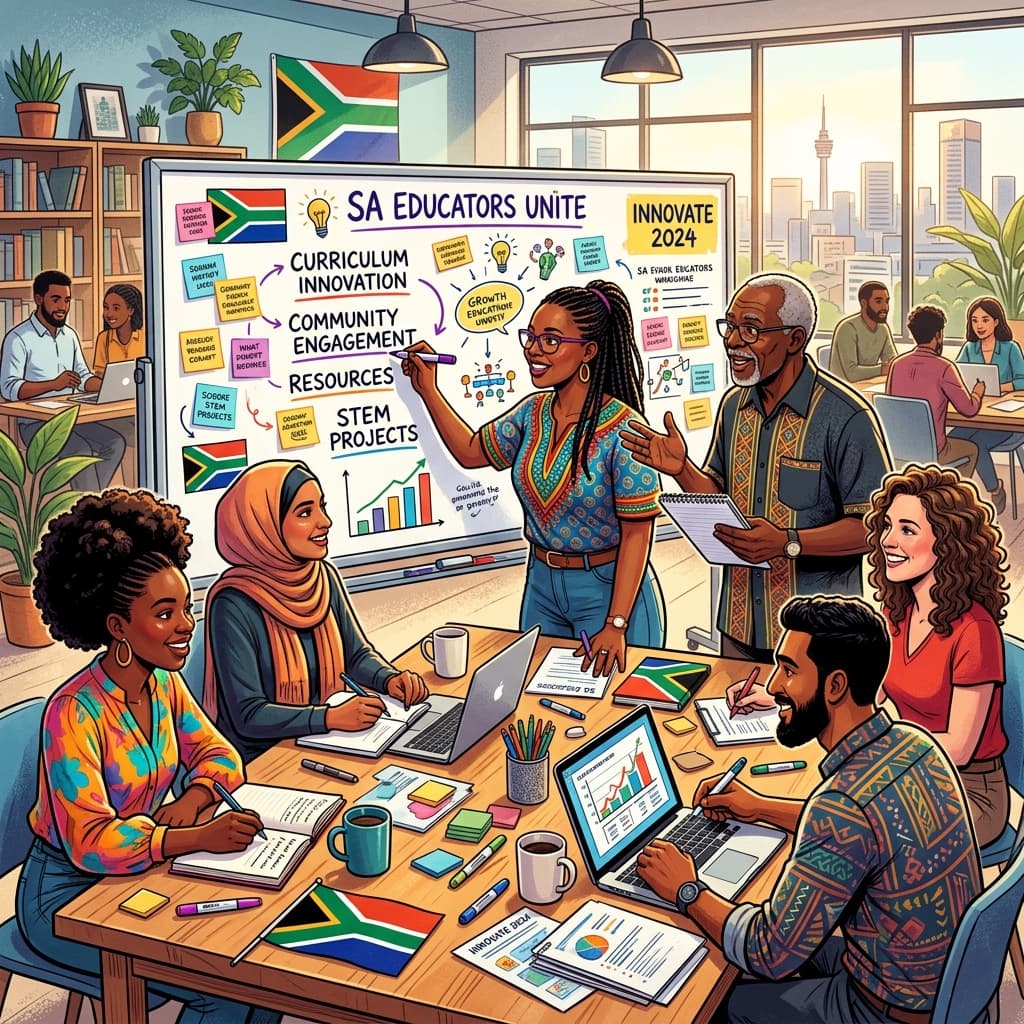
Start small, experiment with different types of games, and don't be afraid to adapt or create your own. Share your successes and challenges with colleagues. The impact you'll see on student engagement and learning outcomes will be truly rewarding. Let's make learning an adventure for every South African child!
Tyler. M
Dedicated to empowering South African teachers through modern AI strategies, research-backed pedagogy, and policy insights.