The Autonomy Imperative in the South African Context
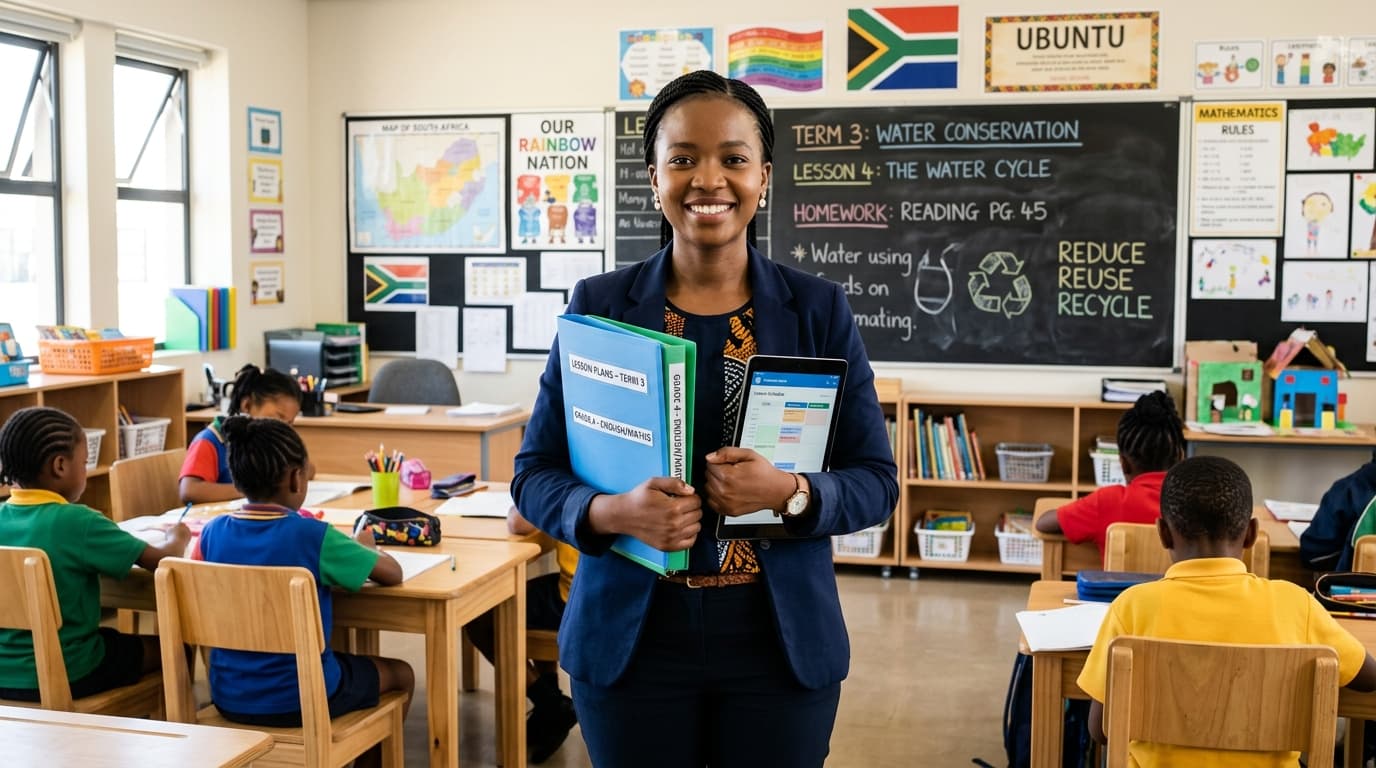
In many South African staffrooms, a common lament echoes: "The learners simply won’t do the work unless I’m standing over them." From the leafy suburbs of Gauteng to the under-resourced rural schools of the Eastern Cape, teachers are grappling with a generation of learners who often seem "paralysed" when a teacher stops talking.
As school leaders and management teams, we must recognize that this dependency is not a character flaw in our students; it is a systemic byproduct. The heavy administrative weight of the Curriculum and Assessment Policy Statement (CAPS), the pressure of high-stakes matric results, and historical pedagogical norms have inadvertently created a culture of "spoon-feeding." We have become so focused on covering the curriculum that we have forgotten to teach learners how to uncover it themselves.
Teaching learners to work independently is perhaps the most significant gift a school can provide. In a country where the transition from high school to university is notoriously difficult—evidenced by high first-year dropout rates—the ability to self-regulate, manage time, and engage in deep work is the ultimate differentiator.
Redefining Independence: It’s Not Working Alone
Before we can implement a strategy, we must define the goal. Independent learning is not synonymous with "learning by yourself" or "doing homework." Rather, it is self-regulated learning. It involves a learner’s ability to understand their own learning process (metacognition), manage their motivation, and take proactive steps to master content.
For a School Management Team (SMT), the strategy must shift from policing classroom silence to fostering an environment where learners are empowered to take risks.
1. The Gradual Release of Responsibility (GRR) Framework
At a management level, we must encourage a shift in lesson delivery. The most effective model for fostering independence is the "Gradual Release of Responsibility" (Pearson & Gallagher). In the South African context, where many learners enter the FET phase with significant foundational gaps, jumping straight into independent work is a recipe for failure.
The Four Pillars of GRR:
- Focused Instruction ("I do it"): The teacher models the thinking process, not just the answer.
- Guided Instruction ("We do it"): Scaffolding where the teacher and learners work together.
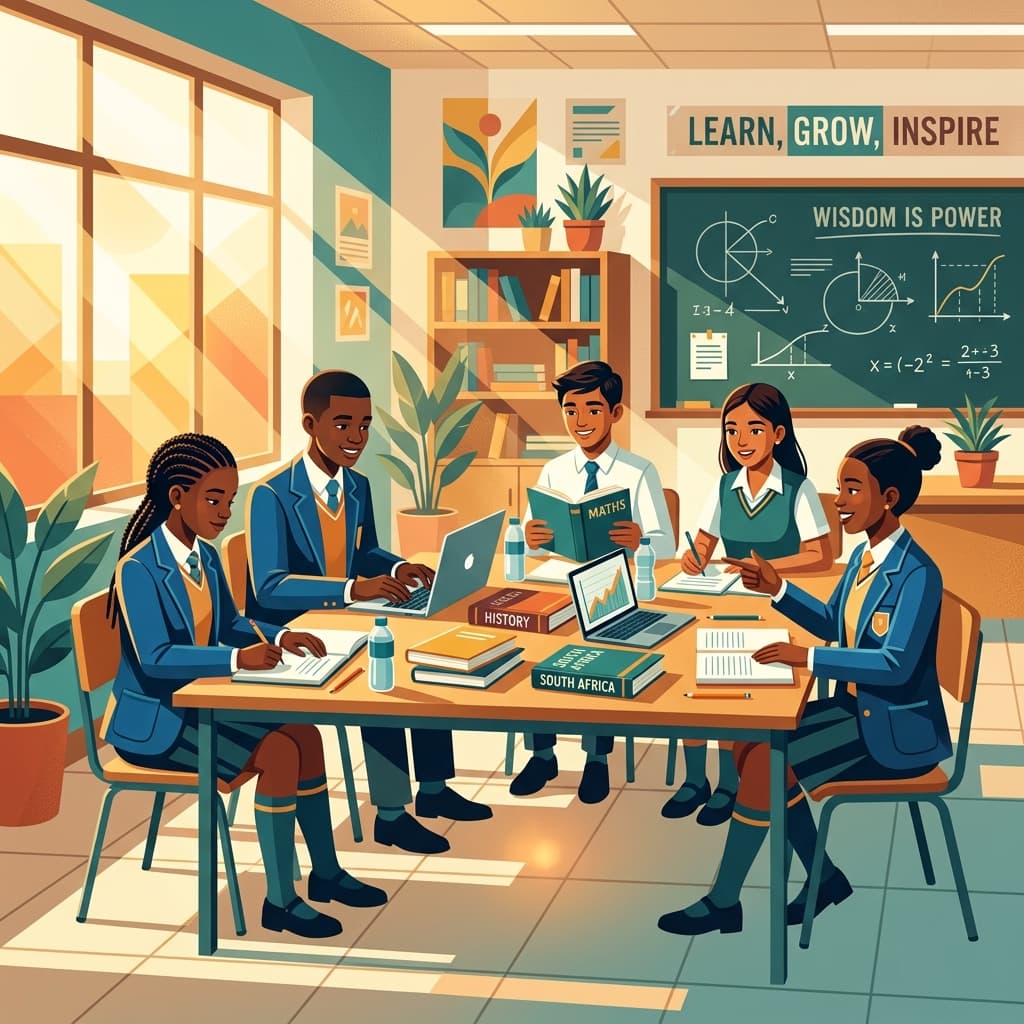
- Collaborative Learning ("You do it together"): Peer-to-peer support. This is vital in our "Ubuntu" culture—leveraging the collective intelligence of the group to build individual confidence.
- Independent Practice ("You do it alone"): The learner applies the skill without a safety net.
Leadership Action: During class visits and IQMS (Integrated Quality Management System) observations, SMT members should look for these stages. If a teacher spends 90% of the period in the "I do it" phase, independent learning is being stifled.
2. Metacognition: Teaching Learners to Think About Thinking
Independent learners are aware of what they know and, more importantly, what they do not know. To achieve this, we must move beyond the "Correct/Incorrect" binary of South African assessment.
Strategic Implementation:
- The Power of Reflection: Encourage teachers to end lessons with five-minute "Reflective Exits." Ask learners: What was the hardest part of this concept today? What strategy did I use to overcome it?
- Error Analysis: Instead of just handing back a marked CAPS-aligned Life Sciences or Maths test, dedicate a period to "Correction and Reflection." Learners should categorize their mistakes: Was it a "silly" mistake, a reading error, or a conceptual gap?
- Checklists over Instructions: Provide learners with rubrics and checklists for their School-Based Assessment (SBA) tasks. This allows them to monitor their own progress against the Department of Basic Education (DBE) standards before they submit work.
3. Addressing the Resource Gap and the Digital Divide
We cannot ignore the reality of the South African landscape. For a learner in a Quintile 1 school with limited data access and a crowded home environment, "working independently" looks very different from a learner in a Quintile 5 private school.
Low-Tech Independence Strategies:
- Resource Centres: If learners cannot work independently at home, the school must become a sanctuary for self-study. Can the library or a designated "Quiet Zone" stay open until 16:30?
- Modular Learning Guides: Given the volatility of the school calendar (from load shedding to social unrest), schools should develop physical "Self-Study Packs." These guides should break down CAPS topics into manageable chunks with self-correcting memoranda.
- Peer Mentorship: Establish a "Matric-to-Grade 8" mentoring program. When a senior learner explains a concept to a junior, both are developing independent mastery.
4. Assessment for Autonomy, Not Just Accountability
Lesson Planner
Generate comprehensive, CAPS-aligned lesson plans in seconds.
Our current assessment culture is often punitive. If a learner feels that every mistake will result in a lower mark on their report card, they will never take the risks required for independent thought; they will simply wait for the teacher to give the "right" answer.
Leadership Shift:
- Increase Formative Assessment: Shift the focus toward low-stakes testing. Encourage "Blind Quizzes" where marks don't count toward the term average but serve as a diagnostic tool for the learner.
- Self-Marking: Use the memorandum as a teaching tool. Allow learners to mark their own informal work. This demystifies the marking process and helps them understand the logic behind the points allocated in CAPS marking guidelines.
5. Changing the Staffroom Culture: From "Sage" to "Guide"
The greatest barrier to independent learning is often the teacher's own professional identity. Many South African educators feel they are "not doing their job" if they aren't talking for the full 45 minutes.
Professional Development (CPTD) Focus:
As school leaders, we must provide CPTD sessions that focus on:
- Effective Questioning: Moving from closed questions (Yes/No) to open-ended questions that require synthesis.
- The Art of the Pause: Teaching teachers to embrace "wait time." Research shows that waiting just 3–5 seconds after asking a question significantly increases the quality of learner responses.
- Differentiated Instruction: How to give the "High-Flyer" an extension task to work on independently while the teacher provides remedial support to a struggling group.
6. The Role of the SGB and Parents
In the South African context, parental expectations can sometimes hinder independence. Parents often equate "no homework" or "self-study" with a teacher who isn't working.
Management Action: Use School Governing Body (SGB) meetings and parent evenings to educate the community on the value of self-regulation. Explain that when a child struggles with a math problem for 20 minutes before being given the answer, their brain is forming the neural pathways necessary for the NSC (National Senior Certificate) exams. We must move from a culture of "helping" (doing the work for the child) to "supporting" (creating the environment for the child to do the work).
7. Creating the Physical Environment for Independence
Even in overcrowded classrooms, the physical layout dictates the pedagogical outcome. Rows of desks facing the front reinforce the "Teacher as Fountain of Knowledge" model.
Creative Spatial Management:
- Zoning: If space allows, create "Independence Zones" in the classroom where learners can go when they have finished their core tasks to work on enrichment activities.
- Visual Scaffolding: Use classroom walls for "Anchor Charts" rather than just posters. An anchor chart should be a reference point—a "how-to" guide for a formula or a grammar rule—that a learner can consult instead of asking the teacher.
8. Time Management as a Taught Skill
We often tell learners to "go and study," but we rarely teach them how to manage a two-hour study block.
Strategic Intervention:
- The Pomodoro Technique: Teach learners to work in 25-minute focused bursts followed by 5-minute breaks. This is particularly effective for South African learners who may be dealing with the distractions of a busy household.
- Task Breaking: During Life Orientation (LO) periods, move beyond the textbook to practical workshops on breaking a large Grade 12 PAT (Practical Assessment Task) into twenty small, independent steps.
Conclusion: The Long-Term Impact
Developing independent learners is an act of nation-building. When we produce matriculants who can think for themselves, research independently, and persevere through cognitive dissonance, we are feeding the South African economy with the innovators and problem-solvers it desperately needs.
As school leaders, our success should not just be measured by our pass rate, but by the "silence of the teacher." When a teacher can walk out of a room and the learning continues unabated, we have reached the pinnacle of educational leadership.
The transition from a teacher-centered to a learner-centered school is a marathon, not a sprint. It requires a consistent, whole-school approach, backed by SMT support and teacher buy-in. But the result—a confident, autonomous, and resilient South African youth—is worth every ounce of effort.
Let us stop being the "sages on the stage" and start being the "architects of independence." Our learners’ futures, and the future of our country, depend on it.
Siyanda M.
Dedicated to empowering South African teachers through modern AI strategies, research-backed pedagogy, and policy insights.