The Complex Landscape of Conflict in South African Schools
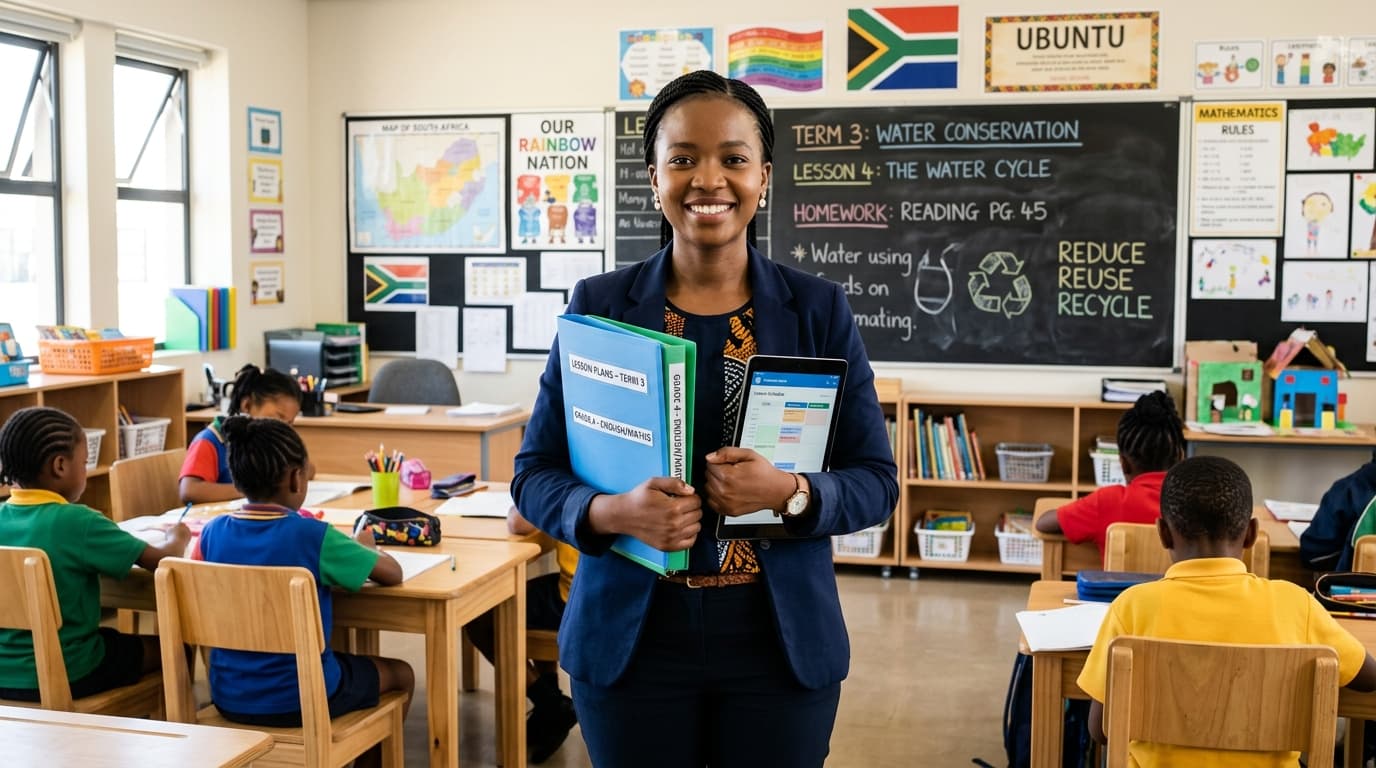
In the heart of every South African school—from the bustling urban centers of Gauteng to the remote rural villages of the Eastern Cape—the playground and the classroom serve as microcosms of our broader society. For School Management Teams (SMTs), conflict between learners is often viewed as a disruption to be suppressed. However, an expert leadership perspective recognizes that conflict is not merely an interruption of the Curriculum and Assessment Policy Statement (CAPS) delivery; it is a critical, albeit challenging, "teachable moment" that reflects the socio-economic and psychological realities of our nation.
South African educators face a unique set of challenges. We operate in a society healing from historical trauma, grappling with high levels of inequality, and navigating a diverse tapestry of cultures and languages. When two learners clash in a corridor, they are often bringing with them the frustrations of overcrowded households, the anxieties of systemic poverty, or the influence of community violence. Therefore, a management strategy for conflict cannot be one-dimensional. It must be robust, culturally sensitive, and aligned with the South African Schools Act (SASA) of 1996.
This post outlines a strategic framework for school leaders to move beyond reactive firefighting toward a proactive, restorative culture that fosters emotional intelligence and social cohesion.
The Legislative and Policy Foundation
Before implementing any conflict management strategy, the SMT must ensure that the school’s "Code of Conduct for Learners" is not just a dusty document in a filing cabinet but a living, breathing constitution. According to Section 8 of the South African Schools Act, every school must adopt a code of conduct aimed at establishing a disciplined and purposeful school environment.
Aligning with the Bill of Rights
Our Constitution is the supreme law, and any disciplinary action must respect the dignity of the child. Strategies that rely on public shaming or exclusionary practices without due process are not only ineffective but potentially unconstitutional. Strategic conflict management begins with a policy that prioritizes the "best interests of the child" while maintaining the safety of the collective.
The Role of the SGB and SMT
Conflict management is a shared responsibility. While the School Governing Body (SGB) provides the policy framework, the SMT is responsible for the operational execution. Leaders must ensure that all staff members—from the groundskeeper to the Departmental Head—understand the protocols for intervention. Inconsistency is the greatest enemy of discipline; if Learner A is punished for a grievance that Learner B is forgiven for, the SMT creates a secondary conflict: a perception of injustice.
Shifting from Punitive to Restorative Justice
Traditionally, South African schools have relied on a "crime and punishment" model—detention, suspension, or manual labor. While consequences are necessary, they often fail to address the root cause of the conflict, leading to a cycle of recidivism.
The Restorative Justice Model
Restorative justice is a strategic approach that focuses on repairing harm rather than just inflicting a penalty. In the South African context, this aligns beautifully with the philosophy of Ubuntu—"I am because we are." When conflict occurs, the restorative approach asks:
- What happened?
- Who has been affected and how?
- What needs to be done to make things right?
By facilitating a "Restorative Circle," moderated by a trained educator or Life Orientation (LO) specialist, the SMT allows the "harmer" to see the human impact of their actions and the "harmed" to regain a sense of agency. This reduces the likelihood of retaliatory violence, which is a significant concern in high-risk quintile schools.
Leveraging the CAPS Curriculum for Prevention
Conflict management should not start when a punch is thrown; it starts in the Life Orientation (LO) classroom. Under the CAPS curriculum, Social and Emotional Learning (SEL) is a core component.
Integrating Conflict Resolution into LO
Strategic leaders ensure that LO is not treated as a "filler" subject. Within the CAPS framework for Senior Phase and FET, there are specific modules on "Interpersonal Relationships" and "Conflict Resolution Skills." SMTs should monitor that these are being taught with practical, scenario-based methods. Learners need to be explicitly taught the "I-message" technique (e.g., "I feel upset when you take my book without asking because I worry about my work") and active listening.
The "Hidden Curriculum"
Management must model the behavior they expect. If learners see staff members resolving professional disagreements with raised voices or authoritarian displays of power, they will replicate that behavior. A strategic management approach involves "Professional Learning Communities" (PLCs) where teachers practice de-escalation techniques, ensuring the "hidden curriculum"—the values caught, not taught—is one of peace.
Addressing the Digital Frontier: Cyberbullying and POPIA
Lesson Planner
Generate comprehensive, CAPS-aligned lesson plans in seconds.
In modern South Africa, conflict has moved from the playground to WhatsApp groups and TikTok. Cyberbullying is a rampant catalyst for physical altercations during school hours.
Strategic Digital Citizenship
The SMT must implement a Digital Citizenship Strategy. This involves:
- Policy Updates: Ensuring the school's Code of Conduct covers off-campus digital behavior that impacts the school environment.
- POPIA Compliance: Teaching learners about the Protection of Personal Information Act (POPIA) and the legal ramifications of sharing someone’s private information or "humiliation videos" online.
- Reporting Mechanisms: Creating a "silent" reporting channel (like a dedicated WhatsApp number or a physical drop-box) where learners can report digital harassment before it escalates into physical violence.
Mediation and Peer Support Systems
One of the most effective strategies for SMTs is the decentralization of conflict resolution through Peer Mediation Programs.
Empowering Learner Leaders
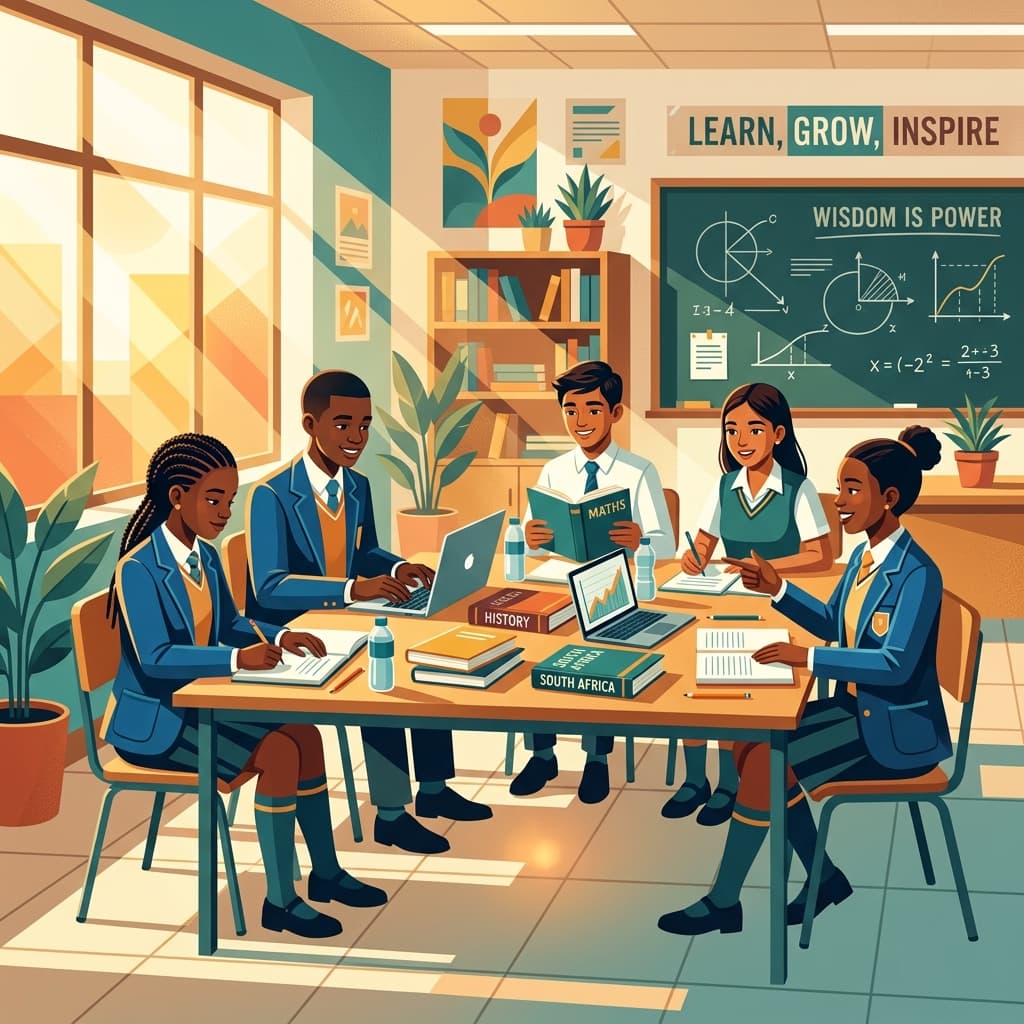
The Representative Council of Learners (RCL) should not just be responsible for organizing matric dances or tuck-shop queues. They should be trained as mediators. When learners in Grade 8 or 9 have a disagreement, having a trained Grade 11 mediator facilitate a conversation can be more effective than a teacher’s intervention. It removes the "us vs. them" dynamic between learners and authority figures.
The Five-Step Mediation Process
For staff-led mediation, the SMT should standardize a five-step process:
- Preparation: Separate the parties to cool down.
- Uninterrupted Time: Each learner tells their story without interruption.
- Exchange: Learners respond to what they heard, focusing on feelings, not just facts.
- Brainstorming: Learners suggest three ways to solve the problem.
- Agreement: A written or verbal contract is made, with a follow-up date scheduled.
Managing Conflict in High-Risk Contexts
We cannot ignore the reality of gang culture and community instability that affects many South African schools. In these environments, learner conflict can be a matter of life and death.
External Partnerships
A strategic SMT knows when the conflict exceeds the school’s internal capacity. This requires establishing strong links with:
- SAPS School Safety Officers: For matters involving weapons or illegal substances.
- Social Workers and NGOs: To address the trauma-informed roots of aggression.
- Faith-Based Organizations: Who often hold significant sway in local communities and can assist in mediating family-level disputes that spill into the school.
Environmental Design (CPTED)
Crime Prevention Through Environmental Design (CPTED) is a management strategy that involves looking at the "blind spots" in the school. Conflict often occurs in unsupervised corridors, behind the toilets, or at the back of the sports fields. SMTs should strategically deploy staff for "active supervision" during breaks, ensuring that the physical environment discourages secret confrontations.
Supporting Educators: The SMT’s Internal Duty
Conflict management takes a massive toll on the mental health of educators. A teacher who is burnt out is more likely to react with irritability, which can escalate a minor classroom disruption into a full-blown conflict.
Continuous Professional Teacher Development (CPTD)
The SMT should facilitate workshops on "Trauma-Informed Pedagogy." Understanding that a "defiant" learner may be in a "fight-or-flight" state due to home circumstances changes the teacher’s response from anger to regulated support. Providing SACE-accredited training in these areas empowers teachers and builds their professional confidence.
Debriefing Sessions
After a major conflict or a violent incident, the SMT must lead a debriefing session for the involved staff. This is not just about the paperwork; it is about acknowledging the emotional labor of teaching in South Africa.
Conclusion: Building a Culture of Ubuntu
Strategic conflict management in South African schools is not about the total absence of tension; it is about the presence of the skills to handle that tension constructively. When we move away from a "policing" mindset toward a "leadership" mindset, we transform our schools from battlegrounds into laboratories of democracy.
By grounding our strategies in the South African Schools Act, leveraging the CAPS curriculum, and embracing the restorative power of Ubuntu, we do more than just stop a fight. We teach the next generation of South African citizens how to disagree with dignity, how to listen with empathy, and how to rebuild when things are broken. This is the true work of school leadership: building a peaceful, cohesive future, one resolved conflict at a time.
Siyanda M.
Dedicated to empowering South African teachers through modern AI strategies, research-backed pedagogy, and policy insights.