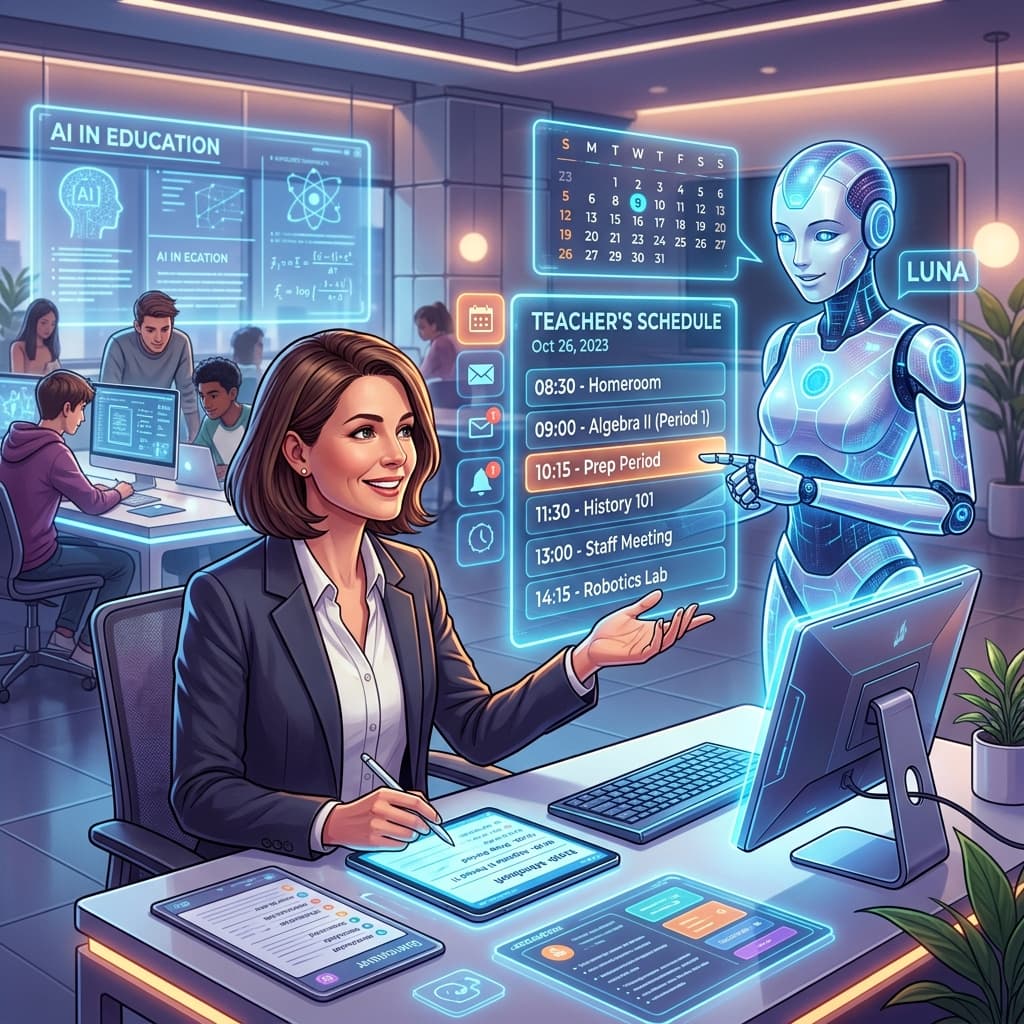
Powering Through the Dark: Overcoming Load Shedding in Digital Classrooms - Case Study 21
South Africa's reality. The flickering lights, the sudden silence, the hushed sighs of frustration. Load shedding. For educators across our nation, particularly those embracing digital tools in Grades R-12, it presents a formidable, yet not insurmountable, challenge. This article, "Case Study 21," dives deep into practical, CAPS-aligned strategies for navigating these power outages, ensuring that learning continues uninterrupted, even when the grid goes dark.
As South African teachers, we are no strangers to adapting. The CAPS curriculum, with its emphasis on learner-centred education, critical thinking, and problem-solving, inherently prepares us for resilience. When we integrate digital resources – be it interactive whiteboards, tablets, laptops, or online learning platforms – we are enhancing this very spirit of inquiry and engagement. Yet, load shedding can feel like a direct assault on these advancements, threatening to plunge our meticulously planned lessons into chaos.
This "Case Study 21" is not about theoretical solutions; it’s about actionable insights born from the trenches of South African classrooms. We will explore how teachers are not just surviving, but thriving during load shedding, leveraging resourcefulness, community, and a deep understanding of the South African educational landscape.
Understanding the Load Shedding Impact on Digital Learning
The immediate impact of load shedding on digital classrooms is obvious: loss of power means loss of access to essential tools. This can lead to:
- Interrupted Lesson Flow: A dynamic online activity or a crucial video demonstration can be abruptly cut short.
- Data Loss: Unsaved work on devices or cloud platforms can be lost, leading to wasted time and effort.
- Student Disengagement: The sudden shift can disorient learners, making it difficult to regain their focus.
- Assessment Disruptions: Online quizzes, tests, or submission deadlines can be compromised.
- Communication Breakdowns: Teachers may be unable to communicate with parents or colleagues regarding changes in schedule or activities.
However, by anticipating these challenges, we can mitigate their impact.
CAPS-Aligned Strategies for Load Shedding Resilience
Our approach to load shedding in digital classrooms must be rooted in the principles of the CAPS curriculum. This means maintaining continuity, fostering independent learning, and ensuring all learners, regardless of their access to technology at home, are catered for.
1. The Power of a "Plan B" (and "Plan C"!)
This is the cornerstone of load shedding preparedness. For every digital activity, have a low-tech or no-tech alternative ready.
- For Primary School (Grades R-3): If your interactive story app fails, have physical picture books ready. If the educational game is inaccessible, have hands-on counting manipulatives or drawing materials available. For language development, instead of an online phonics game, use flashcards, song charts, or group recitation.
- For Intermediate Phase (Grades 4-6): If the online geography simulation is unavailable, have physical maps, atlases, and globes. For a science experiment requiring digital analysis, switch to a hands-on demonstration with clear instructions on paper. For literacy, engage in read-alouds, poetry recitation, or collaborative writing on a whiteboard or chart paper.
- For Senior Phase & FET (Grades 7-12): If the online simulation for physics is down, have a detailed whiteboard explanation with worked examples or a practical demonstration using readily available materials. For history, instead of a documentary, engage in a guided class debate or a primary source analysis activity using printed documents. For mathematics, have a set of practice problems printed for individual or group work.
CAPS Alignment: This directly supports the curriculum's emphasis on diverse learning styles, critical thinking, and problem-solving by requiring learners to adapt and engage with information through different modalities.
2. Leveraging Uninterruptive Learning (UL) Technologies
While consistent power is ideal, there are technologies that can help bridge the gaps.
- Offline Access: Explore learning platforms and apps that allow for offline content download. Many educational resources, including parts of the DBE's Mindset Learn platform, can be accessed offline once downloaded. This requires proactive planning during periods of stable electricity.
- Battery-Powered Devices: Ensure laptops and tablets are consistently charged. Encourage learners to do the same at home, fostering a sense of responsibility.
- Power Banks & Portable Chargers: For individual devices, investing in reliable power banks can offer a temporary solution for short load shedding spells.
- Uninterruptible Power Supplies (UPS): For essential classroom equipment like a modem, router, or a single critical computer, a UPS can provide a few minutes of backup power, allowing for graceful shutdowns or the saving of work. This is a significant investment but can be invaluable for continuity.
CAPS Alignment: This promotes learner autonomy and digital literacy by requiring learners to manage their resources and understand the functionality of their devices.
3. The Art of "Pre-Downloaded" and "Pre-Processed" Content
This strategy is about making the most of available electricity.
- Download Everything Possible: Before load shedding is scheduled, or during periods of stable power, download all videos, audio files, interactive materials, and even entire lesson modules that might be needed.
- Prepare Offline Worksheets and Activities: Print crucial worksheets, activity sheets, and note-taking guides in advance. This ensures that even if the projector is off, learners still have tangible learning materials.
- "Flipped Classroom" with Offline Resources: If you use a flipped classroom model, provide offline access to recorded lessons or readings. Learners can watch or read at home during power outages and then engage in higher-order thinking activities in class when electricity is available.
CAPS Alignment: This aligns with the curriculum's focus on structured learning and the development of independent learning skills. It ensures that the progression of content is not dictated solely by the availability of electricity.
4. Community and Collaboration: Sharing is Caring
In South Africa, community is our strength. This extends to the classroom.
- Teacher Peer Support: Connect with colleagues. Share downloaded resources, backup lesson plans, and creative solutions. Form a WhatsApp group dedicated to sharing load shedding strategies and resources.
- Learner Collaboration: Encourage learners to work in groups when digital tools are unavailable. Peer teaching and collaborative problem-solving are powerful learning tools.
- Parental Communication: Inform parents about your load shedding contingency plans. Explain what they can do to support their children’s learning at home during outages, such as ensuring devices are charged or providing access to books.
CAPS Alignment: This fosters a sense of shared responsibility and collaborative learning, crucial elements for holistic development as outlined in the CAPS curriculum.
5. Embrace Asynchronous Learning and Flexible Timetabling
Load shedding forces us to rethink the traditional, rigid timetable.
- Asynchronous Activities: Design activities that don't require real-time interaction. Online forums for discussion, self-paced online modules, or research tasks that can be completed over several days are excellent options.
- Flexible Lesson Delivery: If a crucial digital lesson is scheduled during load shedding, be prepared to swap it with a pre-planned offline activity. Communicate these changes clearly to learners.
- Utilize "Power-On" Windows: Maximize the use of electricity when it is available. Schedule high-bandwidth or interactive activities during these times.
CAPS Alignment: This promotes adaptability and learner autonomy, encouraging learners to take ownership of their learning pace and schedule, which is a key aspect of lifelong learning.
6. Content Delivery Beyond the Screen: The Power of Analog
This is where the creativity of a South African teacher truly shines.
- Whiteboard Mastery: A well-utilized whiteboard remains a powerful tool. Prepare key notes, diagrams, or problem sets to be written on the board during power outages.
- Printed Handouts and Workbooks: Invest in high-quality printed materials that learners can work through independently.
- Storytelling and Discussion: For younger learners, load shedding can be an opportunity for engaging storytelling sessions. For older learners, it can be a prompt for lively debates and discussions.
- Manipulatives and Models: For subjects like mathematics and science, hands-on manipulatives and physical models are invaluable for understanding concepts, especially when digital simulations are unavailable.
CAPS Alignment: This reinforces the foundational principles of teaching and learning, ensuring that core concepts are understood regardless of the technological medium, aligning with the CAPS focus on conceptual understanding.
Conclusion: Resilience as the New Digital Literacy
Load shedding is not a temporary inconvenience; it is a persistent characteristic of our educational landscape. By adopting the strategies outlined in "Case Study 21," South African teachers can transform this challenge into an opportunity. We are not just educators; we are innovators, resilient problem-solvers, and architects of learning in a dynamic environment.
Our commitment to the CAPS curriculum and the holistic development of our learners remains paramount. By embracing preparedness, collaboration, and creative adaptation, we ensure that our digital classrooms continue to be vibrant hubs of learning, even when the lights go out. Let this case study be a testament to the ingenuity and unwavering dedication of South African teachers. Together, we can power through the dark and illuminate the path to knowledge.
Keywords: Load shedding, digital classroom, South Africa, CAPS curriculum, teachers, education, technology, online learning, lesson planning, practical tips, case study, teacher resilience, learner engagement, asynchronous learning, offline learning, South African education.
Siyanda M.
Dedicated to empowering South African teachers through modern AI strategies, research-backed pedagogy, and policy insights.