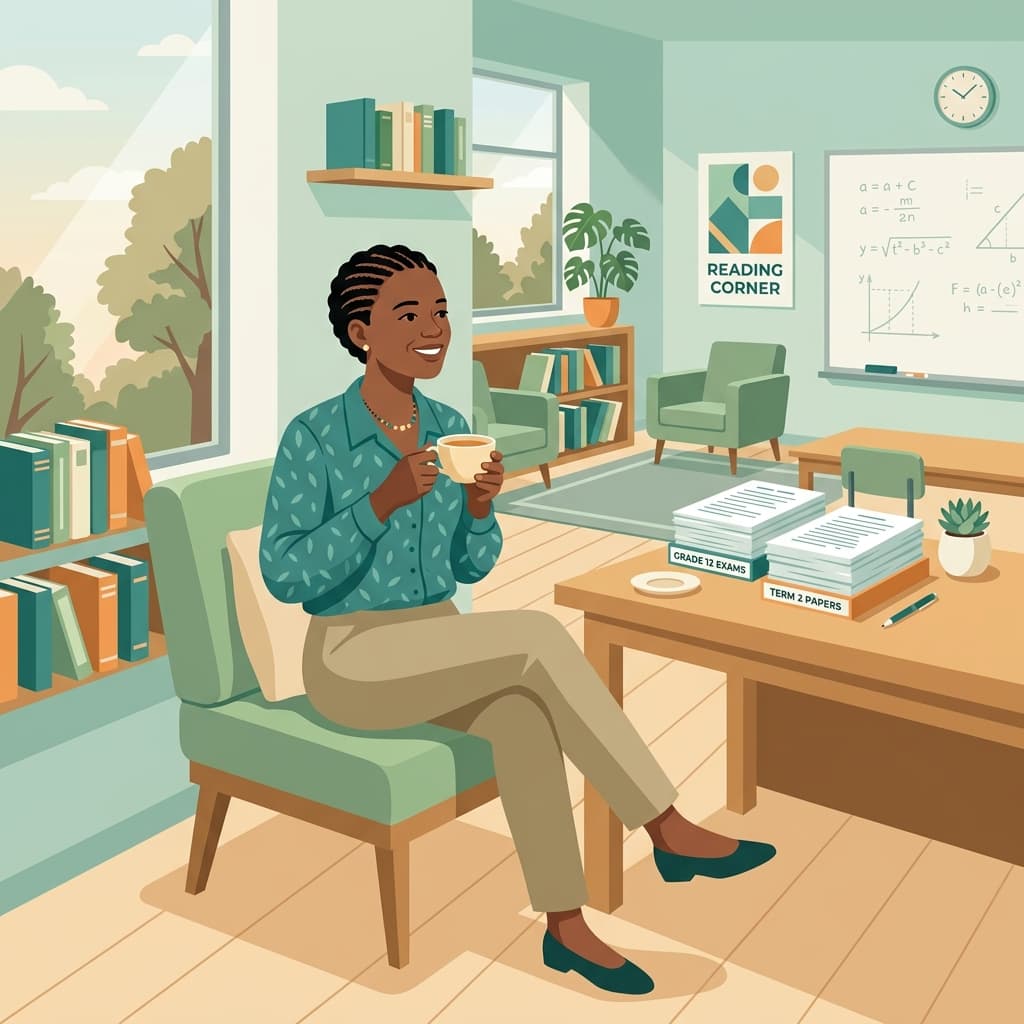
Navigating the dynamic landscape of a South African classroom is a rewarding, yet undeniably challenging, journey. Every teacher, from the fresh-faced graduate to the seasoned veteran, understands that moment: the hum of engaged learning gives way to disruptive chatter, a disagreement flares, or a learner disengages entirely. Classroom discipline isn't about punishment; it's the bedrock upon which effective teaching and meaningful learning are built, especially within the holistic framework of our CAPS curriculum. It's about cultivating a respectful, productive environment where every learner feels safe to thrive and every teacher feels empowered to teach.
In our diverse schools, from bustling urban centres to quiet rural communities, behaviour challenges can manifest in countless ways, often influenced by external factors that learners bring into the classroom. The good news? You possess the power to shape your classroom culture. This comprehensive guide, forged from years of practical experience in SA schools, is designed to equip you with actionable strategies – both proactive and reactive – to foster a disciplined, respectful, and ultimately joyful learning space. Let's move beyond just "managing" behaviour and start "teaching" it.
Laying the Foundation: Proactive Strategies for a Disciplined Classroom
The most effective approach to classroom discipline is prevention. By establishing a strong, positive classroom culture from day one, you can significantly reduce the incidence of misbehaviour. These proactive strategies are about creating an environment where learners choose to engage and behave responsibly.
1. Build Meaningful Relationships with Learners
Before you can effectively manage a learner's behaviour, you need to connect with them as individuals. Relationships are the currency of the classroom. When learners feel seen, heard, and valued, they are far more likely to respect you, your instructions, and their peers. This is particularly poignant in the South African context, where the spirit of Ubuntu – "I am because we are" – underscores our interconnectedness.
- Be Present at the Door: Greet each learner by name as they enter. A simple "Good morning, Thandi" or "How are you, Sipho?" can set a positive tone for the entire lesson and signals your awareness and presence.
- Show Genuine Interest: Ask about their weekend, a recent sports event, or something you know they are passionate about. This doesn't mean becoming their friend, but demonstrating you care about them beyond their academic performance. Even a quick check-in can make a significant difference.
- Active Listening: When a learner approaches you with a concern, stop what you’re doing (if possible) and truly listen without interruption. Validate their feelings even if you can't solve their problem immediately. Acknowledging their perspective builds trust.
- Share a Little of Yourself: Appropriately sharing personal anecdotes or experiences – perhaps a relatable struggle or a moment of joy – can help learners see you as a real person, not just an authority figure. It fosters relatability and trust.
- Observe and Understand: Pay attention to learners' non-verbal cues. A quiet learner might be struggling, while a disruptive one might be seeking attention or feeling overwhelmed. Understanding the "why" behind the behaviour is the first step to addressing it effectively.
2. Establish Clear Expectations and Consistent Rules
Imagine trying to play a game without knowing the rules – utter chaos! Your classroom is no different. Learners thrive on structure and predictability. Clearly articulated expectations remove ambiguity and provide a framework for acceptable behaviour, which is crucial for a productive learning environment in line with CAPS objectives.
- Co-Create Rules (Where Appropriate): Especially with older primary and high school learners, involve them in defining classroom rules. This fosters a sense of ownership and increases buy-in. Ask: "What rules do we need to ensure everyone can learn and feel safe?"
- Keep Rules Few and Positive: Aim for 3-5 broad, positively stated rules (e.g., "Respect ourselves and others," "Always try your best," "Keep our classroom neat"). Avoid an exhaustive list of "don'ts," which can feel overwhelming.
- Teach the Rules Explicitly: Don't assume learners know what "respect" looks like. Discuss and model it. "What does it look like when we respect each other's opinions?" "What does active listening sound like?" Role-playing can be particularly effective.
- Visual Reminders: Display rules prominently on a chart or poster. Use simple language and, for younger learners, incorporate pictures. Refer to them frequently, especially when addressing misbehaviour – "Remember Rule #2."
- Consistency is Non-Negotiable: This is arguably the most critical aspect. Learners quickly learn what they can "get away with." If a rule is sometimes enforced and sometimes ignored, it loses all credibility. Be fair, firm, and consistent in applying consequences.
3. Design Engaging Lessons and Master Classroom Management
A bored learner is a behaviour problem waiting to happen. The most effective discipline strategy is often a captivating lesson delivered with precision. When learners are actively engaged, they have less time, energy, and inclination to misbehave. This directly links to the CAPS emphasis on learner-centred approaches and active participation.
- Pace and Variety: Vary your teaching methods. Incorporate group work, individual tasks, movement breaks, discussions, and technology. A 45-minute lecture will test the patience of even the most diligent learner. Keep them on their toes!
- Clear Instructions: Before starting an activity, ensure all learners understand what they need to do, how they will do it, and what the expected outcome is. Use multiple modalities: verbal, written on the board, and visual demonstration. Check for understanding with quick questions.
- Smooth Transitions: Minimise downtime between activities, as this is a prime opportunity for disruptions. Have materials ready, provide clear cues for packing up or moving, and teach transition routines explicitly. For example, a countdown or a specific signal.
- Maximise Learning Time: Avoid unnecessary delays. Start lessons promptly, manage administrative tasks efficiently, and keep learners focused on the task at hand. Every minute counts.
- Circulate the Room (Proximity Control): Don't get stuck behind your desk. Move around the classroom, monitoring learners' progress and gently redirecting off-task behaviour with your presence. This subtle form of discipline is incredibly powerful.
4. Harness the Power of Positive Reinforcement
It's easy to focus on what's going wrong, but effective discipline shifts our attention to what's going right. Acknowledging positive behaviour encourages its repetition and builds a climate of affirmation. Positive reinforcement is not about being "soft" – it's about being strategic and fostering intrinsic motivation.
- Specific and Timely Praise: Instead of a generic "Good job," say, "Sipho, I noticed how you helped Thandi understand that difficult maths problem – that shows excellent teamwork." Or, "Naledi, your quiet focus during independent reading is exactly what we need."
- Catch Them Being Good: Make a conscious effort to identify and acknowledge learners who are following rules, trying hard, or demonstrating positive social behaviours. Don't wait for perfection. Look for small improvements and efforts.
- Non-Verbal Affirmation: A nod, a smile, a thumbs-up, or a positive written comment on their work can be just as effective as verbal praise. A pat on the shoulder (if culturally appropriate and welcomed) can also be powerful.
- Reward Systems (Simple & Meaningful): For younger learners, a sticker chart, a special pencil, or extra free-reading time can be motivating. For older learners, privileges like choosing a task, leading a group, or a positive note home can be effective. Ensure rewards are earned and linked to specific behaviours.
- Public vs. Private Praise: Public praise can motivate, but be mindful of learners who might find it embarrassing. Sometimes, a quiet word of appreciation is more impactful and sincere.
When Challenges Arise: Effective Reactive Strategies
Despite your best proactive efforts, misbehaviour will inevitably occur. How you respond in these moments is crucial. These reactive strategies are designed to address issues calmly, fairly, and effectively, aiming to teach and guide rather than simply punish.
1. Master Non-Verbal Cues and Proximity Control
Often, the most effective discipline intervention is one that doesn't involve a single spoken word. Non-verbal cues can stop minor misbehaviour in its tracks, maintaining the flow of the lesson and preventing a power struggle.
- The "Teacher Look": Develop a calm, firm look that communicates "I see you, and I know what you're doing." Practice it in the mirror! It often works wonders without interrupting the lesson.
- Eye Contact: A direct, sustained gaze at the learner who is off-task can be a powerful signal to redirect their attention without drawing public attention.
- Proximity Control (Revisited): As mentioned earlier, simply moving closer to a disruptive learner often causes them to self-correct. Stand near their desk, gently tap on their table, or subtly gesture towards their work. This is discreet, respectful, and highly effective.
- Hand Signals: Establish universal hand signals for common classroom needs, e.g., raising a hand for a question, crossing fingers for a bathroom break, or tapping your ear to signal listening. This minimises verbal interruptions.
- The Power of a Pause: When the class becomes too noisy, simply stop speaking, stand still, and make eye contact. The silence often brings the class back to attention more effectively than shouting, and it conserves your energy.
2. Implement Calm, Firm, and Concise Verbal Interventions
When non-verbal cues aren't enough, verbal intervention is the next step. The key here is to remain calm, firm, and focused on the behaviour, not the child. Avoid lecturing or shaming, which can breed resentment and defiance.
- Use "I" Statements: Focus on your observation and the impact, not an accusation. "I notice you're talking while I'm explaining, and that makes it hard for others to hear," rather than "Why are you always talking?"
- State the Expected Behaviour: Clearly articulate what you want the learner to do. "We need quiet voices for this activity," or "Please put your hand up before speaking." Keep it positive and directive.
- Be Brief and Private: If possible, address the behaviour with the learner privately or with minimal disruption to the class. A quiet word at their desk is often more effective than a public reprimand.
- Offer a Choice (With Limits): "You can choose to complete your work quietly now, or you can choose to stay after class to finish it." This empowers the learner while maintaining your authority and presenting consequences clearly.
- Avoid Emotional Language: Frustration is natural, but letting it show can escalate the situation. Keep your voice even and your tone objective.
- The "Broken Record" Technique: If a learner is arguing or making excuses, calmly and repeatedly state your expectation without getting drawn into a debate. "Your task is to..." "I need you to..."
3. Utilise a "Cool-Down" or Reflection Zone
Sometimes, a learner needs a moment to regain self-control away from the stimulating classroom environment. A designated "cool-down" or "reflection zone" provides this space without being punitive, teaching self-regulation.
- Designate a Clear Area: Choose a quiet corner of the classroom, perhaps with a comfortable chair or mat, away from the main activity. It should feel calm and be clearly visible to you, but not necessarily to the whole class. It should not feel like a punishment zone.
- Teach Its Purpose: Explain to learners that this is a place to think, calm down, and prepare to rejoin the class. It’s a tool for self-regulation, not a time-out for "bad" kids.
- Guided Reflection: For older learners, a simple reflection sheet might be helpful. Questions could include: "What happened?", "How did my actions affect others?", "What can I do differently next time?", "What do I need to do to be ready to learn again?"
- Time Limits: Establish clear time limits (e.g., 5-10 minutes, or until the learner feels ready and has reflected). The goal is re-engagement, not isolation.
- Follow-Up: Always have a brief, private conversation with the learner after they've used the cool-down zone to ensure they understand why they were there and to reinforce expected behaviour.
Lesson Planner
Generate comprehensive, CAPS-aligned lesson plans in seconds.
4. Implement Logical and Consistent Consequences
Consequences are not about revenge; they are about teaching responsibility and understanding the impact of one's actions. For consequences to be effective, they must be logical, consistent, and proportionate to the misbehaviour. This approach aligns with the CAPS focus on developing responsible citizens.
- Logical Connection: The consequence should logically follow the misbehaviour. If a learner makes a mess, the consequence is to clean it up. If they waste class time, the consequence is to make up that time.
- Consistency is Key: Just like with rules, if consequences are applied inconsistently, they lose their power. Ensure that the same behaviour elicits the same consequence from you, every time.
- Be Proactive in Explaining: Discuss consequences during your initial rule-setting phase. Learners should know what to expect if they choose to break a rule.
- Focus on Restorative Practices: Where appropriate, encourage learners to repair harm. This might involve an apology (sincere, not forced), helping to fix what was broken, or finding a way to make amends to a peer they've upset. This aligns well with the SA spirit of restorative justice and community building.
- Tiered Consequences: Develop a clear hierarchy of consequences, starting with gentle reminders and escalating only if the behaviour persists. (e.g., 1. Non-verbal cue; 2. Verbal redirect; 3. Cool-down zone; 4. Loss of privilege; 5. Parent contact; 6. Office referral).
- Avoid Punishment that Humiliates: Never use shame, ridicule, sarcasm, or physical punishment. These are detrimental to a learner's self-esteem, erode trust, and destroy the teacher-learner relationship, contravening the spirit of the SA Schools Act.
5. Involve Parents/Guardians as Partners
Parents and guardians are your invaluable allies in supporting positive behaviour. Open and consistent communication builds a bridge between home and school, creating a unified front that reinforces expectations and solutions.
- Start with Positive Contact: Don't let the first call home be about a problem. Reach out early in the year with a positive note or call about their child's strengths or a positive contribution. This builds goodwill and a foundation of partnership.
- Communicate Clearly and Objectively: When addressing an issue, describe the specific behaviour, its impact, and what strategies you've already tried. Avoid blaming language; focus on the facts and the shared goal of supporting the child.
- Focus on Solutions: Work with parents to find solutions. Ask for their insights into their child's behaviour at home and suggest ways they can reinforce expectations. "How do you handle X at home?"
- Regular Updates: Keep parents informed of progress (both positive and negative) after an initial intervention. This shows continued commitment and respect.
- Respect Cultural Contexts: Be mindful of the diverse family structures and cultural backgrounds in South Africa. Approach conversations with respect and cultural sensitivity, understanding that parental involvement can vary.
- Document Everything: Keep a clear record of communication, including dates, times, specific incidents, and agreed-upon action plans. This is crucial for accountability and future reference.
6. Know When and How to Escalate (School Policy)
While many discipline issues can be resolved in the classroom, there will be times when the severity or persistence of a behaviour necessitates involving school leadership. Understanding your school's discipline policy and code of conduct is paramount for effective behaviour management in SA schools.
- Familiarise Yourself with School Policy: Every school has a code of conduct and a clear referral process. Know it inside out. This ensures you act within established guidelines and receive appropriate support from your school's management team.
- Document Everything (Again!): Before escalating, ensure you have a detailed record of the incidents, your interventions, and communications with parents. This evidence is crucial for school leadership to take appropriate action.
- When to Escalate: Generally, escalation is necessary for:
- Serious Incidents: Bullying, physical aggression, destruction of property, theft, drug-related issues, or any behaviour that compromises the safety of others and requires immediate attention.
- Persistent Misbehaviour: When classroom-level interventions have been consistently applied over time (e.g., a minimum of three attempts) and have proven ineffective.
- Emotional/Psychological Concerns: If you suspect a learner is struggling with significant emotional distress or mental health challenges that impact their behaviour and requires professional intervention.
- Prepare for the Referral: When you refer a learner, be ready to provide a concise summary of the issue, the steps you've taken, and your observations. Support your leadership in their decision-making process.
- Maintain Professionalism: Even in challenging situations, maintain a professional demeanour and work collaboratively with colleagues and administrators.
Special Considerations for the South African Classroom (CAPS Alignment)
Effective discipline in South Africa requires an understanding of our unique context, encompassing diversity, socio-economic challenges, and the principles embedded in the CAPS curriculum.
1. Embracing Diversity and Inclusivity
South Africa's classrooms are rich tapestries of cultures, languages, and socio-economic backgrounds. Effective discipline acknowledges and respects this diversity, ensuring every learner feels a sense of belonging and that strategies are culturally appropriate.
- Cultural Sensitivity: Be aware that what might be considered disrespectful in one culture (e.g., direct eye contact with an elder or answering back) may be respectful in another. Learn about your learners' cultural norms and adapt your responses accordingly.
- Language Barriers: For learners who are learning in a second or third language, misunderstandings can easily arise. Use clear, simple language; provide visual cues; and be patient. Misbehaviour can sometimes stem from confusion or an inability to articulate needs.
- Socio-Economic Factors: Learners from disadvantaged backgrounds may bring unique challenges to school (hunger, fatigue, trauma, lack of resources). While these are not excuses for misbehaviour, understanding their root causes can inform a more empathetic and effective response. Connect learners and families with school support services or community organisations where available.
- Promote an Inclusive Environment: Actively teach and reinforce values of respect, empathy, and acceptance for all differences. Challenge prejudice and discrimination immediately and decisively, fostering a classroom where everyone feels safe and valued.
2. Understanding Trauma-Informed Practices
Many learners in South Africa's diverse communities have experienced or are exposed to various forms of trauma (e.g., violence, neglect, poverty, loss, family instability). Trauma often manifests as challenging behaviour, not just emotional distress. A trauma-informed approach shifts the question from "What's wrong with you?" to "What happened to you?"
- Prioritise Safety and Predictability: Create a classroom that feels physically and emotionally safe. Consistent routines, clear expectations, and a calm, predictable presence from the teacher are crucial for traumatised learners who crave stability.
- Build Trusting Relationships: As highlighted earlier, strong, consistent relationships are foundational. Be a consistent, caring adult in their lives, as this can be a powerful protective factor.
- Teach Emotional Regulation Skills: Many learners who have experienced trauma struggle to regulate their emotions. Teach them explicit strategies for calming down (e.g., deep breathing), identifying feelings, and problem-solving.
- Be Patient and Empathetic: Progress may be slow. Understand that seemingly defiant behaviour might be a coping mechanism (fight, flight, or freeze). Offer choices and opportunities for control where appropriate to empower them.
- Avoid Power Struggles: Escalating a situation with a traumatised child can re-traumatise them. Focus on de-escalation and providing a pathway to regain control and re-engage.
3. Supporting Learners with Special Education Needs (LSEN)
The CAPS curriculum promotes inclusive education, meaning that learners with special education needs (LSEN) are integrated into mainstream classrooms. Their behaviour challenges often require differentiated strategies, a deeper understanding of their condition, and tailored support.
- Understand the Diagnosis: If a learner has an identified special need (e.g., ADHD, Autism Spectrum Disorder, learning difficulties), educate yourself on how this might impact their behaviour and learning style. Collaborate with parents and specialists for insights.
- Individualised Education Plans (IEPs): Adhere to and contribute to IEPs or Individual Support Plans, which often include specific behaviour management strategies tailored to the learner's unique needs.
- Provide Structure and Predictability: LSEN learners, particularly those with ASD or ADHD, thrive on routine and clear visual schedules. Minimise surprises and transitions without warning.
- Differentiate Instructions and Expectations: Adjust your teaching methods, the length of tasks, and your expectations for behaviour based on the learner's individual capacity. What works for one learner may not work for another.
- Break Down Tasks: Complex tasks can be overwhelming for LSEN learners. Break them into smaller, manageable steps with frequent check-ins and opportunities for success.
- Collaborate with Support Staff: Work closely with learning support teachers, school psychologists, and other specialists to implement appropriate strategies and access resources for both you and the learner.
4. Aligning with CAPS Values and Principles
The CAPS curriculum is not just about content; it's about developing well-rounded citizens who can contribute positively to society. Effective classroom discipline naturally aligns with these broader educational goals, fostering human rights, inclusivity, and a sense of responsibility.
- Promote Human Rights and Social Justice: Teach learners about their rights and responsibilities within the classroom and community, as outlined in the Bill of Rights. Use discipline opportunities to discuss fairness, equity, and respect for diversity.
- Cultivate Values: Discipline strategies should aim to cultivate the values promoted by CAPS, such as honesty, respect, self-discipline, compassion, and responsibility. It's about character building.
- Holistic Development: Recognise that behaviour is an aspect of holistic development – encompassing emotional intelligence, social skills, and moral reasoning. Discipline should support these areas, not just compliance.
- Empowerment, Not Just Control: While control is sometimes necessary, the ultimate goal is to empower learners to self-regulate, make responsible choices independently, and become active participants in their own learning. This aligns with CAPS' emphasis on critical thinking and active citizenship.
Remember: Teacher Self-Care is Not Selfish
Managing a classroom, especially in challenging environments, can be emotionally and physically draining. You cannot pour from an empty cup. Prioritise your well-being. Take breaks, connect with supportive colleagues, seek mentorship, and remember why you became a teacher. Your energy and emotional resilience directly impact your effectiveness in the classroom. A calm teacher is the best discipline strategy of all.
Conclusion: Cultivating a Culture of Respect and Learning
Classroom discipline is not a one-time fix; it's an ongoing process of teaching, nurturing, and guiding. It requires patience, consistency, and a deep belief in the potential of every learner. By proactively building relationships, setting clear expectations, designing engaging lessons, and reacting to challenges with calm, logical strategies, you create a classroom where learners feel safe, respected, and ready to learn.
Embrace these strategies, adapt them to your unique classroom context, and remember that every day is a new opportunity to make a positive impact. You are shaping the future of South Africa, one disciplined and respectful learning moment at a time. Keep learning, keep adapting, and keep making a difference.
Tyler. M
Dedicated to empowering South African teachers through modern AI strategies, research-backed pedagogy, and policy insights.