Navigating the Rapids: Effective Strategies for Handling Conflict Between Learners
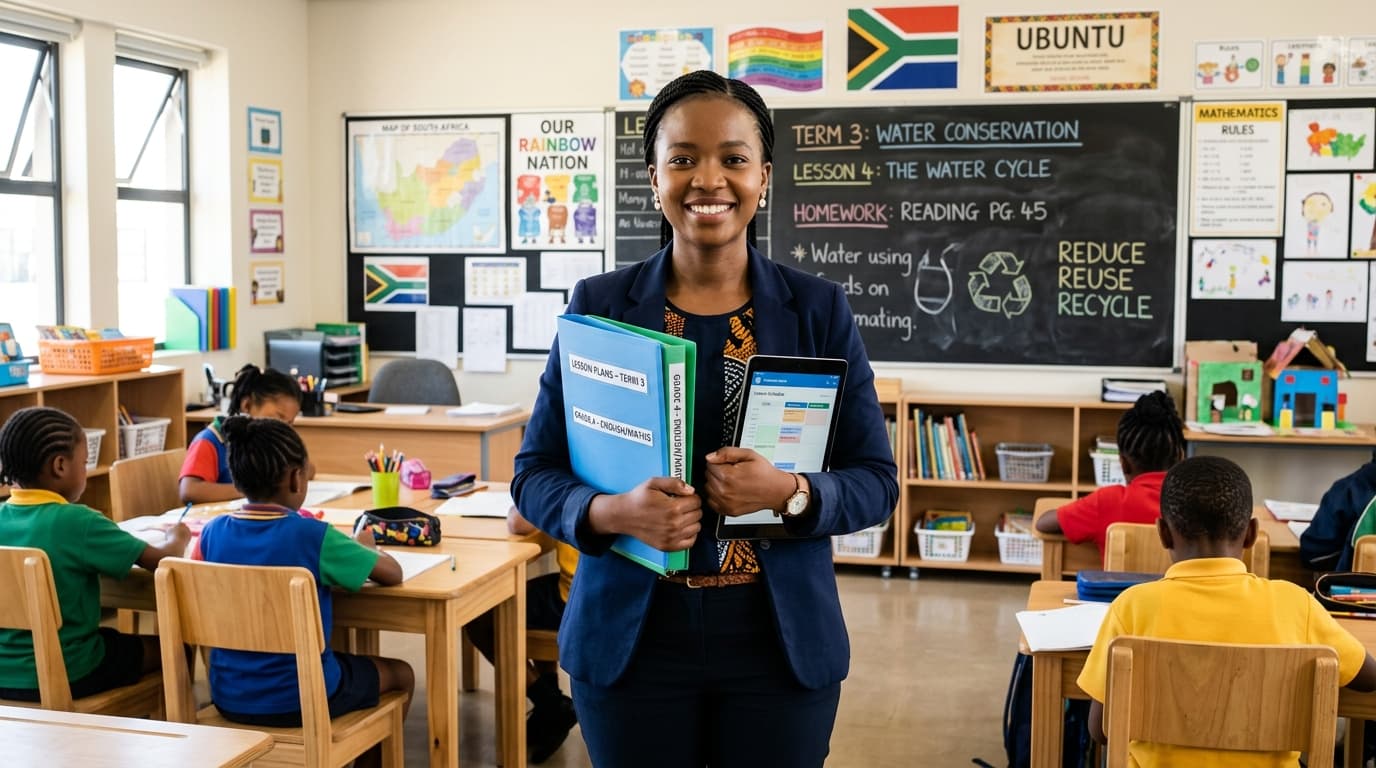
In the dynamic and often bustling environment of a South African classroom, conflict is not a question of if, but when. From a minor disagreement over a shared pencil to more serious disputes stemming from differing backgrounds or misunderstandings, conflicts are an inevitable part of learners' social development. As educators operating within the CAPS curriculum, our role extends far beyond academic instruction; we are crucial facilitators of social-emotional learning, guiding our learners to navigate these interpersonal challenges constructively.
Handling conflict effectively is a cornerstone of creating a safe, inclusive, and productive learning space. Unresolved conflict can disrupt lessons, create anxiety, and even escalate into bullying, impacting both individual learners' well-being and the entire class's cohesion. This post aims to provide comprehensive, practical strategies – both proactive and reactive – to equip you, our dedicated teachers, with the tools to transform moments of discord into opportunities for growth and understanding.
Understanding the Landscape of Learner Conflict
Before we can effectively manage conflict, we must first understand its nature and common origins in our diverse South African school settings.
What is Conflict? More Than Just a Fight
Conflict, at its core, is a disagreement or clash between two or more individuals or groups. It arises when needs, values, perceptions, or interests differ. It's vital to remember that conflict itself is not inherently negative. In fact, when handled constructively, it can lead to deeper understanding, stronger relationships, and the development of essential life skills. The challenge lies in guiding learners away from destructive responses (aggression, avoidance) towards constructive engagement.
Common Causes of Conflict in South African Classrooms
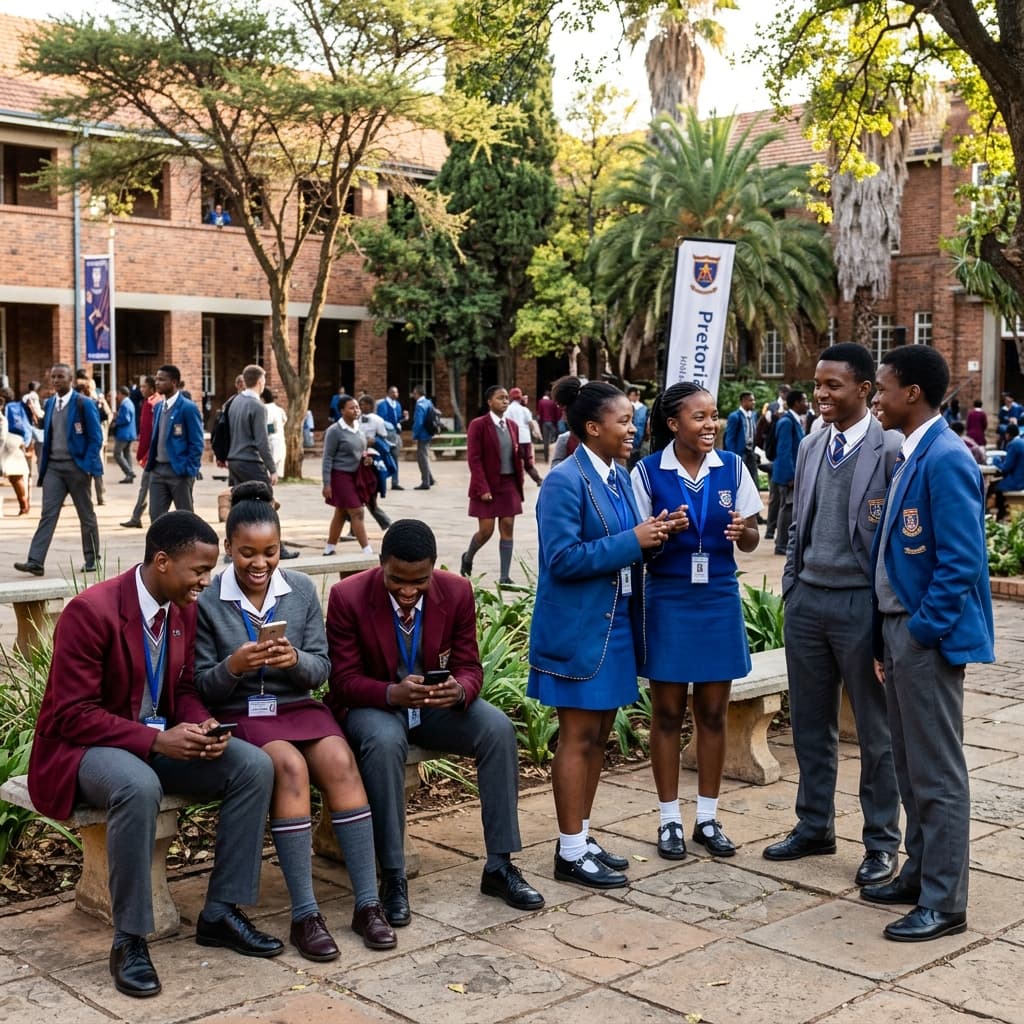
Our classrooms are microcosms of society, reflecting the rich diversity and complex realities of South Africa. This diversity, while a tremendous strength, can also be a source of conflict.
- Resource Scarcity: Limited access to stationery, shared play equipment, or even preferred seating can trigger disputes, especially in under-resourced schools. "She always gets the red crayon!" or "It's my turn on the swing!" are common refrains.
- Miscommunication and Misunderstanding: Learners, particularly younger ones, are still developing their communication skills. A misinterpreted tone, an unclear request, or a cultural difference in expressing oneself can easily lead to offence or confusion.
- Developmental Stages:
- Foundation Phase (Grade R-3): Learners are egocentric, struggle with sharing, and have limited impulse control. Conflicts often revolve around possessions, turns, and personal space.
- Intermediate Phase (Grade 4-6): Social hierarchies begin to form, and learners become more aware of peer opinions. Conflicts can involve exclusion, gossip, and a desire for social acceptance.
- Senior Phase (Grade 7-9) & FET Phase (Grade 10-12): Identity formation, peer pressure, relationship dynamics, and competition (academic, social, sports) are major factors. Conflicts can become more complex, involving issues of respect, reputation, and perceived injustices.
- Differing Values and Beliefs: South Africa's multicultural context means learners come from diverse backgrounds with varying home languages, cultural norms, religious beliefs, and socio-economic realities. These differences, if not understood and respected, can inadvertently cause friction.
- Emotional Regulation Challenges: Some learners struggle to identify and manage strong emotions like anger, frustration, or sadness. When these emotions erupt, they can manifest as aggressive behaviour, leading to conflict.
- Prejudice and Stereotyping: Unfortunately, learners sometimes bring prejudices learned from their communities into the classroom. These can fuel discriminatory behaviour, exclusion, and overt conflict based on race, gender, socio-economic status, or language.
- Bullying: While distinct from a one-off conflict, bullying often involves repeated power imbalances and aggressive behaviour. Early intervention in conflicts can sometimes prevent them from escalating into bullying.
- External Stressors: Learners facing challenges at home – poverty, family instability, violence – may exhibit increased irritability, aggression, or withdrawal, making them more prone to conflict or less equipped to handle it constructively.
The Ripple Effect of Unresolved Conflict
Ignoring or poorly managing conflict has serious consequences:
- Disrupted Learning: Teachers spend valuable time addressing conflict, and learners struggle to concentrate when tensions are high.
- Negative Classroom Climate: An environment rife with unresolved conflict becomes one of fear, anxiety, and distrust, hindering learner participation and engagement.
- Emotional Distress: Learners involved in conflict, or those witnessing it, can experience stress, sadness, anger, and a sense of insecurity.
- Escalation: Minor disputes, if left unchecked, can fester and escalate into more serious altercations or persistent bullying.
- Missed Learning Opportunities: Conflict, when handled well, teaches valuable social skills. Unresolved conflict means these crucial lessons are lost.
Proactive Strategies: Cultivating a Culture of Peace
The most effective approach to conflict is prevention. By proactively building a positive, respectful classroom environment and equipping learners with essential social-emotional skills, we can significantly reduce the frequency and intensity of conflicts.
1. Establishing a Positive and Inclusive Classroom Climate
This is the bedrock upon which all other strategies are built.
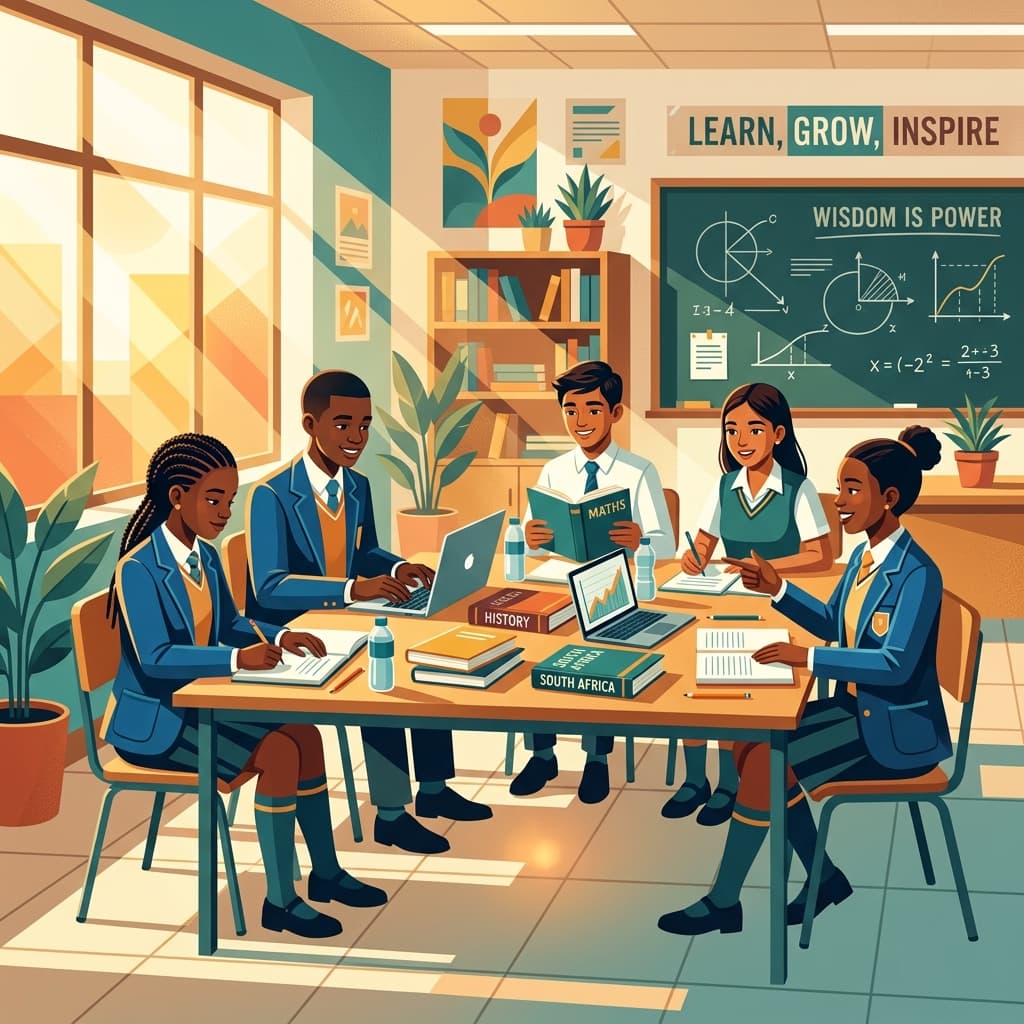
- Co-create Classroom Rules: Involve learners in developing classroom rules, especially those related to respect, communication, and conflict. When learners have ownership, they are more likely to adhere to and enforce these rules.
- Practical Example: In a Grade 5 class, the teacher facilitates a discussion: "What helps us learn well together?" Learners suggest: "Listen when others talk," "Use kind words," "Ask for help," "Solve problems without fighting." These become the class rules, prominently displayed.
- Promote Empathy and Perspective-Taking: Regularly incorporate activities that encourage learners to "walk in someone else's shoes."
- Practical Example: During a Life Orientation lesson, discuss scenarios from stories or current events where characters face dilemmas. Ask, "How might [character A] feel right now?" or "What might [character B] be thinking to make them act that way?"
- Foster Inclusivity and Celebrate Diversity: Actively acknowledge and celebrate the diverse backgrounds, languages, and cultures present in your classroom and South Africa. This reduces the likelihood of prejudice-based conflict.
- Practical Example: Implement a "Heritage Day corner" where learners can share aspects of their culture, or have a "Language of the Week" where everyone learns a greeting in a different South African language.
- Model Desired Behaviour: Learners learn by observing. Your own calm, respectful, and fair responses to challenging situations or minor conflicts set a powerful example.
- Practical Example: If you disagree with a colleague in front of learners, demonstrate respectful dialogue and compromise rather than heated argument.
2. Teaching Social-Emotional Learning (SEL) Skills
The CAPS curriculum provides ample opportunities, particularly in Life Skills and Life Orientation, to explicitly teach SEL skills that are vital for conflict resolution.
- Effective Communication Skills:
- Active Listening: Teach learners to truly hear what others are saying, not just wait for their turn to speak. Practice paraphrasing: "So, if I understand correctly, you're saying..."
- "I" Messages: Guide learners to express their feelings and needs without blaming. Instead of "You always take my ball!", teach them to say, "I feel frustrated when my ball is taken without asking, because I want to play with it."
- Assertiveness, Not Aggression: Differentiate between standing up for oneself respectfully and being aggressive. Role-play scenarios.
- Emotional Regulation: Help learners identify and name their emotions (e.g., "I feel angry," "I feel sad"). Teach calming strategies.
- Practical Example: Introduce a "Calm-Down Corner" with breathing exercises posters, a stress ball, or quiet activities. Teach the "STOP, BREATHE, THINK, ACT" technique.
- Problem-Solving Skills: Break down conflict resolution into manageable steps. (More on this in reactive strategies, but the groundwork is laid here).
- Cooperation and Teamwork: Regular group projects and cooperative learning activities build skills in negotiation, compromise, and shared responsibility.
3. Building Strong Relationships
A strong teacher-learner relationship is a protective factor against conflict. Learners are more likely to respect your interventions and resolve issues if they feel seen, heard, and valued by you. Encourage positive learner-learner relationships through structured activities that promote interaction and bonding.
Lesson Planner
Generate comprehensive, CAPS-aligned lesson plans in seconds.
Reactive Strategies: Navigating Conflict When It Arises
Despite our best proactive efforts, conflicts will inevitably occur. How we respond in these moments is crucial.
1. Immediate De-escalation: Stabilising the Situation
When conflict erupts, your primary goal is to ensure safety and de-escalate the tension.
- Recognise Early Warning Signs: Pay attention to non-verbal cues: raised voices, aggressive body language, name-calling, whispering, or even sudden silence between previously interacting learners. The earlier you intervene, the easier it is.
- Intervene Calmly and Decisively: Your calm demeanour is contagious. Approach the situation confidently but without aggression. A firm, clear voice is effective. Avoid shouting or showing frustration.
- What to Say: "Stop. Everyone needs to calm down." "What's going on here?" "Let's take a deep breath."
- Separate Learners (If Necessary): If physical contact is involved, or if emotions are running extremely high, physically separate the learners. Send one to a designated "thinking space" or a different area of the classroom, and the other to your side or a different adult. Ensure they cannot continue to interact.
- Ensure Physical Safety: Check for injuries. If serious, follow school protocols for first aid and reporting.
- Listen Actively to Both Sides (Separately, if needed): Once learners are calmer, give each an opportunity to explain their perspective without interruption. Validate their feelings without necessarily agreeing with their actions. "I can see you're very upset," or "It sounds like you felt hurt."
- Avoid: "Who started it?" This often leads to blame and defensiveness. Focus on what happened and how it affected everyone.
- Maintain Neutrality: Do not take sides. Your role is to facilitate resolution, not to judge or find fault initially. Be perceived as fair and objective.
2. Facilitating Conflict Resolution: Guiding Learners to Solutions
Once emotions have settled, it's time to guide learners through a structured resolution process.
Teacher-Led Mediation: This is often necessary for younger learners or more intense conflicts.
- Set Ground Rules: "We will listen respectfully. No interrupting. We will use 'I' messages. We are here to find a solution, not to blame."
- Allow Each Learner to State Their Perspective: "Tell me what happened from your point of view, [Learner A]." Then, "Now, [Learner B], tell me your side." Encourage them to focus on their feelings and the impact of the other's actions.
- Identify the Core Problem: Help learners articulate what the real issue is. Is it about a toy, a misunderstanding, a feeling of disrespect?
- Brainstorm Solutions: "What are some ways you two could solve this?" Encourage them to come up with ideas. Offer suggestions if they struggle. Focus on mutually agreeable outcomes.
- Practical Example (Foundation Phase): Two learners are fighting over a block. Teacher: "Thando, what happened?" Thando: "Sipho took my block!" Sipho: "It's my block, I had it first!" Teacher: "I hear you both want the block. What can we do so you can both play?" Ideas: "Share it," "Use it for five minutes each," "Find another block."
- Practical Example (Intermediate Phase): Two girls are arguing about who gets to be team captain. Teacher: "You both want to be captain. What could be a fair way to decide?" Ideas: "Draw straws," "Alternate weeks," "Let the team vote," "Discuss who has stronger leadership skills."
- Evaluate Solutions: "Which solution feels fair to both of you?" "What might be the challenges with that one?"
- Agree on a Solution and a Plan: Ensure both learners commit to the chosen solution.
- Follow-Up: Briefly check in later to see if the solution is working.
Restorative Practices: This approach, gaining significant traction in South African schools, focuses on repairing harm and relationships rather than simply punishment. It shifts the question from "What rule was broken?" to "Who was harmed? What is the nature of the harm? What needs to happen to make things right?"
- Key Questions:
- What happened?
- What were you thinking and feeling at the time?
- What have you thought and felt since?
- Who has been affected by what happened?
- How have they been affected?
- What do you need to do to make things right?
- What do you need to do to ensure this doesn't happen again?
- Practical Example: After a verbal altercation where one learner insulted another, a restorative conversation would explore the impact of the words, the feelings of the insulted learner, and what the offending learner can do to genuinely apologise and repair trust. This might involve a verbal apology, a written note, or a commitment to change behaviour.
- Key Questions:
Peer Mediation (for older learners): Training selected, responsible learners as peer mediators can be incredibly empowering. These mediators facilitate conflict resolution between their peers, guided by the teacher. This fosters leadership and problem-solving skills among learners.
3. When to Involve Parents or School Leadership
While we aim to resolve most conflicts independently, there are times when involving others is necessary.
- Repeated or Severe Conflicts: If the same learners are repeatedly involved in conflict, or if the conflict is escalating to violence, bullying, or serious emotional distress.
- Safety Concerns: Any conflict involving physical harm, weapons, or credible threats.
- Lack of Resolution: If your interventions have not yielded a sustainable resolution.
- Violation of School Policy: Conflicts that breach serious school rules (e.g., discrimination, theft, assault).
- Learners' Inability to Resolve: If learners are emotionally unable or unwilling to engage in resolution despite your best efforts.
- External Factors: If you suspect home issues (abuse, neglect, trauma) are contributing to the learner's behaviour, involve relevant support structures (school counsellor, social worker).
When communicating with parents, maintain a professional and objective tone. Focus on the facts of the incident and the steps being taken, rather than assigning blame. Collaborate with parents to find consistent strategies.
Long-Term Impact and Follow-Up: Sustaining the Peace
Resolving an immediate conflict is a victory, but sustaining positive relationships and preventing future disputes requires ongoing effort.
- Monitor and Reinforce: Check in with the learners involved. "How are things going with [Learner X]?" "Is our agreement still working?" Offer praise for continued positive interaction or for sticking to their agreed-upon solution.
- Reinforce Positive Behaviour: Catch learners behaving positively – sharing, using kind words, helping others. Specific praise like, "I noticed how you shared your colours with Lindiwe, that shows great cooperation," reinforces desired behaviours.
- Teach Self-Reflection: Encourage learners to think about their own role in conflicts. "What could you have done differently?" "How did your actions impact the situation?" This builds self-awareness and accountability.
- Build Resilience: Life will always present challenges. By teaching learners to navigate conflict, we are building their resilience, their ability to bounce back from difficult experiences. This is a critical life skill, especially in the context of South Africa's diverse socio-economic landscape.
- Continuous SEL Integration: Don't limit conflict resolution discussions to when conflicts arise. Integrate SEL into daily lessons, morning meetings, and circle time discussions. Use relevant stories, news articles, or historical events to discuss conflict, empathy, and different perspectives.
Teacher Self-Care and Support
Handling learner conflict is emotionally and mentally draining. It requires patience, empathy, and resilience from you, the educator.
- Acknowledge the Emotional Toll: It's okay to feel frustrated, overwhelmed, or tired after mediating a difficult conflict.
- Debrief and Reflect: Take a few moments after a significant conflict to reflect on what happened, what worked, and what you could do differently next time.
- Seek Support: Don't hesitate to consult with colleagues, your head of department, or school counsellor for advice and support. Sharing experiences can lead to new insights and a sense of shared responsibility.
- Prioritise Your Well-being: Ensure you have strategies to manage your own stress. A well-rested and supported teacher is better equipped to handle the complexities of the classroom.
- Professional Development: Seek out workshops or resources on conflict resolution, restorative justice, or social-emotional learning. Continuous learning benefits both you and your learners.
Conclusion: Empowering Learners for a Harmonious Future
As South African teachers, we play an indispensable role in shaping not just academic minds, but also compassionate, resilient, and socially adept citizens. Conflict in the classroom is an inevitable part of this journey, a powerful teachable moment. By embracing both proactive strategies to build a culture of peace and effective reactive techniques for resolution, we equip our learners with vital skills for life – skills that extend far beyond the classroom walls and contribute to a more harmonious society.
Your dedication in navigating these challenges transforms moments of discord into profound opportunities for growth. Remember, every time you guide a learner through a conflict, you are not just solving a problem; you are building a foundation for their emotional intelligence, their ability to empathise, and their capacity to contribute positively to their communities, aligning perfectly with the holistic development goals of the CAPS curriculum. Keep up the incredible work, you are making a profound difference.
Andile. M
Dedicated to empowering South African teachers through modern AI strategies, research-backed pedagogy, and policy insights.