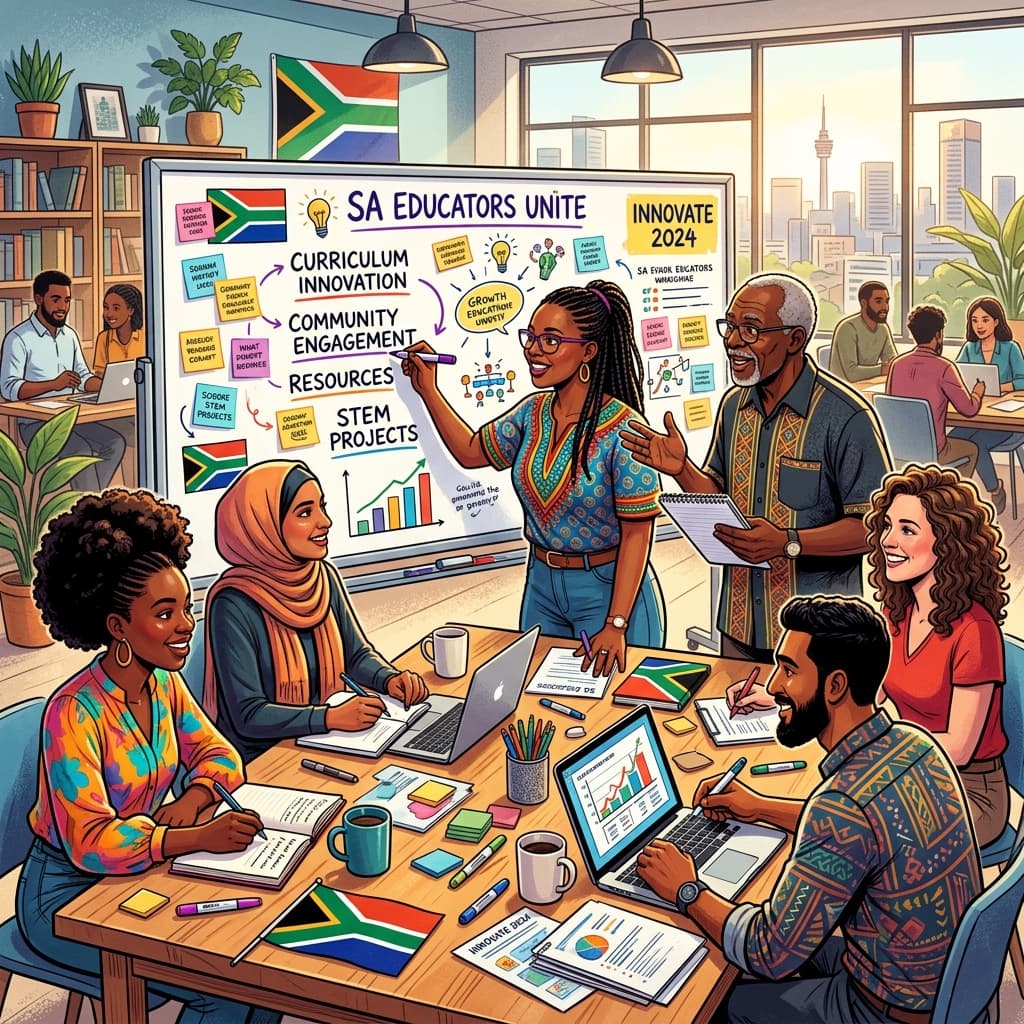
Teaching Life Orientation in 2025: Case Study 25 - Navigating the Future of South African Education
The year 2025 is rapidly approaching, and for South African educators, it signals a moment of reflection and strategic recalibration. The ever-evolving landscape of education demands a proactive approach, especially for a subject as crucial and dynamic as Life Orientation (LO). This article, presented as Case Study 25, delves into the practicalities and pedagogical considerations for teaching LO in 2025, specifically for Grades R-12 across our diverse South African context. We will anchor our discussions in the CAPS curriculum, emphasizing practical application and addressing the unique challenges and opportunities faced by our teachers.
Life Orientation is not merely another subject; it is the bedrock upon which responsible, resilient, and engaged citizens are built. From fostering socio-emotional skills in our youngest learners to equipping matriculants with the tools to navigate higher education, employment, and personal well-being, LO’s scope is expansive and its impact profound. As we look towards 2025, the emphasis on holistic development, critical thinking, and the integration of real-world issues becomes paramount.
Understanding the CAPS Framework in 2025: A Continuous Evolution
The Curriculum and Assessment Policy Statement (CAPS) remains the guiding document for LO. However, it's crucial for teachers to recognize that CAPS is not a static entity. The Department of Basic Education continually refines its implementation, and by 2025, we can anticipate a stronger focus on areas such as:
- Digital Citizenship and Media Literacy: The proliferation of online information and the increasing reliance on digital platforms necessitate a robust approach to teaching responsible online behaviour, identifying fake news, and understanding digital footprints. This isn't just about the 'e-Safety' aspect; it’s about critical engagement with the digital world.
- Mental Health and Well-being: With growing awareness and the ongoing impact of societal stressors, mental health will be an even more central theme. This includes understanding common mental health challenges, coping mechanisms, destigmatization, and where to seek help – relevant for all age groups, from recognising emotional cues in Foundation Phase learners to stress management strategies for Grade 12 learners.
- Socio-Economic Issues and Active Citizenship: Empowering learners to understand and engage with the socio-economic realities of South Africa is vital. This includes discussions on poverty, inequality, environmental sustainability, and their role as active participants in contributing to positive change.
- Career Guidance and Future Readiness: Beyond simply listing careers, 2025 demands a more nuanced approach to career guidance. This involves fostering adaptability, entrepreneurial thinking, and an understanding of the evolving job market, including the impact of technological advancements.
Practical Strategies for the South African Classroom (Grades R-12)
The effectiveness of LO teaching hinges on its practical application. Here are strategies tailored for the South African context, keeping CAPS at the forefront:
Foundation Phase (Grades R-3): Laying the Emotional and Social Groundwork
For our youngest learners, LO is about building foundational social and emotional competencies.
- Focus: Self-awareness, understanding emotions, empathy, sharing, and basic problem-solving in peer interactions.
- CAPS Alignment: Focus on the "Self-awareness and emotional regulation," "Social awareness and interpersonal relationships," and "Well-being" strands.
- Practical Activities:
- Emotion Charades/Puppet Shows: Use puppets or role-playing to explore different emotions and how to express them appropriately.
- "Feelings Corner": Designate a safe space where learners can go to self-regulate when feeling overwhelmed, with resources like soft toys, drawing materials, or calming activities.
- Circle Time Discussions: Facilitate discussions about sharing, taking turns, and resolving simple conflicts. Use picture cards depicting various social scenarios.
- "My Body, My Feelings" Activities: Simple lessons on personal hygiene, healthy eating, and understanding their own bodies in a safe and age-appropriate manner.
Intermediate Phase (Grades 4-6): Developing Social Skills and Understanding the World
This phase builds upon foundational skills, introducing learners to broader social concepts and personal safety.
- Focus: Developing empathy, conflict resolution, understanding diversity, personal safety (including online basics), and beginning to explore health and well-being.
- CAPS Alignment: Emphasis on "Social awareness and interpersonal relationships," "Personal well-being," and "Healthy lifestyles."
- Practical Activities:
- Role-Playing Scenarios: Simulate challenging social situations (e.g., bullying, peer pressure, disagreements) and guide learners in finding constructive solutions.
- "Diversity Detectives": Activities that celebrate and explore different cultures, traditions, and backgrounds within the classroom and wider South African society.
- "Safe and Unsafe Touch" Discussions (Age-Appropriate): Using stories and visual aids to teach children about personal boundaries and who to talk to if they feel unsafe.
- Introduction to Healthy Habits: Discussions on balanced diets, the importance of exercise, and basic hygiene practices.
- Simple Problem-Solving Games: Group activities that require collaboration and compromise.
Senior Phase (Grades 7-9): Navigating Adolescence and Societal Issues
Adolescence brings new challenges and a greater capacity for abstract thinking. LO in this phase must address these complexities.
- Focus: Self-management, identity formation, peer pressure, substance abuse awareness, sexual health and responsible decision-making, understanding social issues, and basic career exploration.
- CAPS Alignment: "Self-management and management of physical and emotional well-being," "Social engagement and development," and "Career guidance."
- Practical Activities:
- Debates and Discussions on Social Issues: Engage learners in critical discussions about current events, social justice, and environmental concerns relevant to South Africa.
- Guest Speakers: Invite professionals (e.g., counselors, health practitioners, community leaders) to share insights on topics like mental health, career paths, or substance abuse.
- "Decision-Making Scenarios": Present realistic scenarios related to peer pressure, risky behaviours, and relationships, and guide learners through the consequences of different choices.
- Sexual Health Education (Comprehensive and Age-Appropriate): Deliver factual, non-judgmental information on puberty, reproduction, STIs, and contraception, emphasizing consent and healthy relationships. This often requires careful planning and sensitivity.
- "My Strengths, My Interests" Workshops: Help learners identify their talents, passions, and potential career interests.
- Digital Citizenship Workshops: Discuss online safety, cyberbullying, privacy, and the impact of social media on mental health.
Further Education and Training (FET) Phase (Grades 10-12): Preparing for Independence and the Future
The matric year is a critical juncture. LO must equip learners with the skills and knowledge to thrive beyond school.
- Focus: Advanced career planning, tertiary education options, entrepreneurship, financial literacy, civic responsibility, critical thinking about societal challenges, and advanced personal well-being strategies.
- CAPS Alignment: "Career guidance and the world of work," "Civic responsibility and social engagement," and "Personal development and life skills."
- Practical Activities:
- Mock Job Interviews and CV Building Workshops: Practical skills for the job market.
- Financial Literacy Seminars: Covering budgeting, saving, investing, and understanding credit.
- Entrepreneurship Projects: Encouraging learners to develop business ideas and plans.
- Disaster Management and First Aid Training: Essential life skills for personal safety and community contribution.
- Critical Analysis of Media and Information: Deep dives into media bias, propaganda, and information literacy.
- Debates on Contemporary South African Issues: Engaging learners in informed discussions on political, economic, and social challenges.
- University and TVET College Information Sessions: Providing guidance on application processes, funding, and course selection.
- Stress Management and Resilience Building: Techniques and strategies to cope with academic pressure and life's uncertainties.
Addressing Specific South African Realities in 2025
Our teaching of LO cannot exist in a vacuum. It must acknowledge and respond to the unique context of South Africa:
- Socio-Economic Disparities: Teachers must be sensitive to the varied socio-economic backgrounds of their learners. Discussions around healthy eating, for instance, need to consider food insecurity. Career guidance must acknowledge the economic realities and opportunities within different communities.
- Violence and Trauma: The pervasive nature of violence in some communities means that LO lessons on safety, conflict resolution, and emotional regulation must be delivered with empathy and an understanding of potential trauma. Awareness of support services (school counselors, community organizations) is crucial.
- Cultural Diversity: South Africa's rich tapestry of cultures requires LO to be inclusive and respectful of diverse beliefs, values, and practices. Activities should celebrate this diversity rather than ignore it.
- Language Barriers: While English is often the medium of instruction, teachers should be mindful of learners who may struggle with the language. Using visual aids, gestures, and encouraging peer support can bridge these gaps.
Leveraging Technology in 2025
While resource limitations are a reality, judicious use of technology can enhance LO teaching:
- Online Resources: Utilize reputable websites for information on health, careers, and social issues (e.g., Department of Health, Labour, educational NGOs).
- Interactive Simulations: Explore online simulations for decision-making scenarios or basic financial planning.
- Educational Videos: Curate age-appropriate videos that explain complex concepts related to mental health, relationships, or civic duty.
- Digital Storytelling: Encourage learners to create digital presentations or stories to express their understanding of LO concepts.
Assessment in LO: Beyond Rote Learning
Assessment in LO should move beyond memorization to evaluating skills, attitudes, and application.
- Formative Assessment: Ongoing observation, class participation, role-playing feedback, and short quizzes.
- Summative Assessment: Project-based assessments, presentations, portfolios, case study analyses, and written assignments that require critical thinking.
- Self-Assessment and Peer Assessment: Empowering learners to reflect on their own learning and provide constructive feedback to their peers.
Conclusion: A Vision for 2025
Teaching Life Orientation in 2025 presents an exciting opportunity to shape the future of our nation. By grounding our practice in the CAPS curriculum, embracing practical and engaging methodologies, and remaining acutely aware of the South African context, we can equip our learners with the essential skills, knowledge, and values to navigate the complexities of life. Case Study 25 reminds us that LO is not just a subject; it is a vital pathway to fostering well-rounded, resilient, and responsible citizens ready to contribute positively to South Africa's growth and development. Let us embrace this challenge with passion and a commitment to excellence.
Siyanda M.
Dedicated to empowering South African teachers through modern AI strategies, research-backed pedagogy, and policy insights.