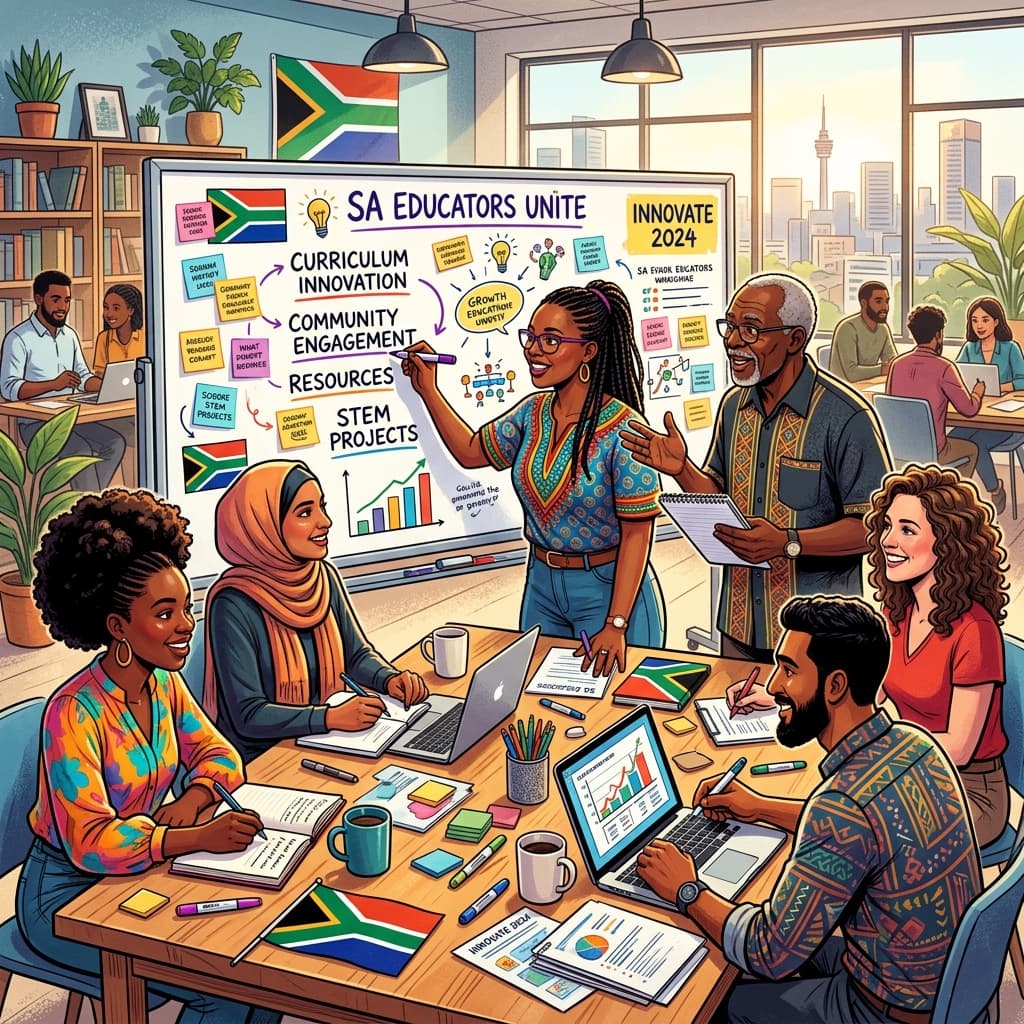
Teaching Life Orientation in 2025: Navigating the Future of Well-being in South African Schools (Case Study 34)
The year 2025 beckons, and with it, new challenges and opportunities for educators across South Africa. As we continue to evolve our pedagogical approaches, Life Orientation (LO) stands out as a crucial subject, tasked with shaping well-rounded, resilient, and engaged young South Africans. For teachers navigating the dynamic landscape of Grades R-12, understanding the intricacies of the CAPS curriculum, coupled with practical, contextually relevant strategies, is paramount. This case study, "Case Study 34: Teaching Life Orientation in 2025," delves into the current realities, future considerations, and actionable advice for LO educators in South Africa.
The Ever-Evolving CAPS Curriculum: Staying Ahead in Life Orientation
The Curriculum and Assessment Policy Statement (CAPS) for Life Orientation is a living document, continuously adapting to societal needs and educational research. As we look towards 2025, several key themes within CAPS will demand our focused attention:
- Holistic Development: LO is not merely about ticking boxes; it's about fostering the emotional, social, intellectual, and physical well-being of our learners. This means integrating concepts across different topics and encouraging cross-curricular links. For instance, discussions on healthy relationships (Social and Emotional Development) can be powerfully reinforced by exploring civic responsibility (Citizenship Education) and the importance of physical activity (Physical Education and Recreation).
- South African Contextualisation: This is non-negotiable. Generic lesson plans will fall flat. LO must be deeply rooted in the South African experience, addressing local challenges, celebrating diverse cultures, and promoting an understanding of our unique history and socio-political landscape. When teaching about drug abuse, for example, it’s vital to discuss its prevalence and impact within South African communities, not just globally. Similarly, exploring career paths should highlight opportunities and challenges specific to the South African job market.
- Skills-Based Learning: CAPS increasingly emphasizes the development of essential life skills. In 2025, we need to move beyond rote memorisation and focus on equipping learners with critical thinking, problem-solving, communication, and decision-making abilities. How can we design activities that actively promote these skills? Think debate clubs on ethical dilemmas, role-playing scenarios for conflict resolution, or group projects requiring collaborative problem-solving.
- Assessment for Learning: Assessment in LO should be formative and ongoing, providing learners with feedback to guide their development. While summative assessments are necessary, they should not overshadow the process of learning and growth. How can we diversify our assessment methods to capture a true understanding of a learner's development, beyond traditional tests? Consider portfolios showcasing a learner’s journey in developing a particular skill, presentations on researched topics, or self-reflection journals.
Practical Strategies for the 2025 Life Orientation Classroom
The reality of teaching in South African schools often involves large class sizes, limited resources, and diverse learner needs. Therefore, practical, adaptable strategies are key to effective LO instruction.
For Foundation Phase (Grades R-3): Laying the Groundwork for Well-being
In the Foundation Phase, LO is about building fundamental life skills through play and exploration.
- Emotional Literacy Through Stories: Use age-appropriate stories that explore emotions. Discuss characters’ feelings, encourage learners to identify their own emotions, and model healthy ways to express them. Books featuring diverse South African characters can be particularly impactful.
- Social Skills Through Group Play: Facilitate structured group activities that teach sharing, turn-taking, and empathy. Role-playing simple social scenarios (e.g., saying "please" and "thank you," resolving minor disagreements) is highly effective.
- Healthy Habits as Routines: Integrate discussions about healthy eating and hygiene into daily routines. Make it fun and interactive. For example, create a "germ detective" game or a "rainbow food" chart.
- Safety First: Teach basic safety rules in a clear, simple manner. This includes road safety, stranger danger (age-appropriately), and what to do in an emergency. Practice these through songs and role-plays.
For Intermediate Phase (Grades 4-6): Deepening Understanding and Building Resilience
The Intermediate Phase sees learners grappling with more complex social dynamics and a growing awareness of the world around them.
- Peer Relationships and Conflict Resolution: Facilitate discussions about friendships, bullying, and peer pressure. Introduce simple conflict-resolution strategies like active listening and finding compromise. Use scenarios relevant to their age group, such as playground disputes or disagreements over games.
- Understanding Different Cultures: Explore the rich tapestry of South African cultures. This can involve celebrating Heritage Day with activities, learning about different traditions, and promoting respect for diversity. Guest speakers from different cultural backgrounds can be invaluable.
- Introduction to Healthy Lifestyles: Move beyond basic hygiene to discuss balanced diets, the importance of exercise, and the dangers of substance abuse in an age-appropriate manner. Connect physical activity to enjoyment and mental well-being.
- Developing Self-Awareness: Encourage learners to identify their strengths and weaknesses. Simple self-assessment tools or journaling activities can help them understand their unique qualities and how they can contribute to their environment.
For Senior Phase (Grades 7-9): Navigating Adolescence and Future Pathways
The Senior Phase is a critical period for addressing the challenges of adolescence and preparing learners for future academic and career choices.
- Puberty and Sexual Health: Provide comprehensive, age-appropriate sex education that addresses physical and emotional changes, healthy relationships, consent, and the prevention of STIs and unplanned pregnancies. This requires a sensitive and fact-based approach.
- Mental Health and Well-being: Discuss common mental health issues like stress, anxiety, and depression. Teach coping mechanisms and emphasize the importance of seeking help. Create a safe space for learners to share their concerns.
- Career Exploration and Decision-Making: Introduce learners to a wide range of career options available in South Africa. Focus on skills required for different professions and the pathways to achieve them. Use guest speakers from various industries and organise career fairs.
- Civic Responsibility and Social Issues: Deepen understanding of South African democracy, human rights, and social justice. Encourage critical thinking about current societal issues and empower learners to become active, responsible citizens. Debates on topics like environmental protection or social inequality can be highly engaging.
For Further Education and Training (FET) Phase (Grades 10-12): Preparing for Independence and Societal Contribution
The FET Phase is the culmination of LO, preparing learners for tertiary education, the workplace, and active participation in society.
- Advanced Sexual Health and Relationships: Continue discussions on consent, healthy relationships, reproductive health, and the broader societal implications of sexual choices. Address issues like gender-based violence with a focus on prevention and support systems.
- Financial Literacy and Entrepreneurship: Equip learners with essential financial management skills, including budgeting, saving, investing, and understanding credit. Explore entrepreneurial opportunities relevant to the South African economy.
- Career Pathways and Higher Education: Provide in-depth guidance on tertiary education options, application processes, and career development. Help learners identify their passions and align them with realistic career goals. Connect them with relevant institutions and potential employers.
- Global Citizenship and Sustainability: Foster an understanding of global issues, environmental sustainability, and South Africa’s role in the international community. Encourage critical engagement with media and information.
- Exam Preparation: While LO assessment can be varied, learners will face summative assessments. Provide targeted revision strategies and practice questions that align with the CAPS requirements and typical examination formats.
Overcoming Challenges in the South African Context
We must acknowledge and address the unique challenges faced by South African LO teachers:
- Resource Scarcity: When textbooks are limited, leverage open-source online resources, community libraries, and teacher-created materials. Encourage learners to use their mobile phones (where appropriate and accessible) for research.
- Large Class Sizes: Differentiate instruction by creating small group activities, peer teaching opportunities, and clearly defined tasks that can be managed in larger settings. Use a “station rotation” model for certain activities.
- Learner Diversity: Acknowledge and celebrate the diverse linguistic, cultural, and socio-economic backgrounds of your learners. Use inclusive language and materials, and be sensitive to individual needs and experiences.
- Teacher Training and Support: Advocate for ongoing professional development opportunities in Life Orientation. Share best practices with colleagues and participate in subject-specific workshops and communities of practice.
The Future of Life Orientation in 2025 and Beyond
As we look to 2025, the role of Life Orientation in South African education will only become more critical. By embracing the CAPS curriculum's intent, employing practical, contextually relevant strategies, and fostering a supportive and engaging learning environment, we can empower our learners to navigate the complexities of life with confidence, resilience, and a strong sense of purpose. The journey of teaching Life Orientation is one of continuous learning and adaptation, and for the dedicated educators in South Africa, it is a profoundly rewarding one. Let us step into 2025 with renewed vigour and a commitment to nurturing the well-being and future success of every learner.
Siyanda M.
Dedicated to empowering South African teachers through modern AI strategies, research-backed pedagogy, and policy insights.